The Vineyard of Grace: A Call to Fruitfulness
"He spake also this parable; A certain man had a fig tree planted in his vineyard; and he came and sought fruit thereon, and found none. Then said he unto the dresser of his vineyard, Behold, these three years I come seeking fruit on this fig tree, and find none: cut it down; why cumbereth it the ground? And he answering said unto him, Lord, let it alone this year also, till I shall dig about it, and dung it: And if it bear fruit, well: and if not, then after that thou shalt cut it down." - Luke 13:6-9
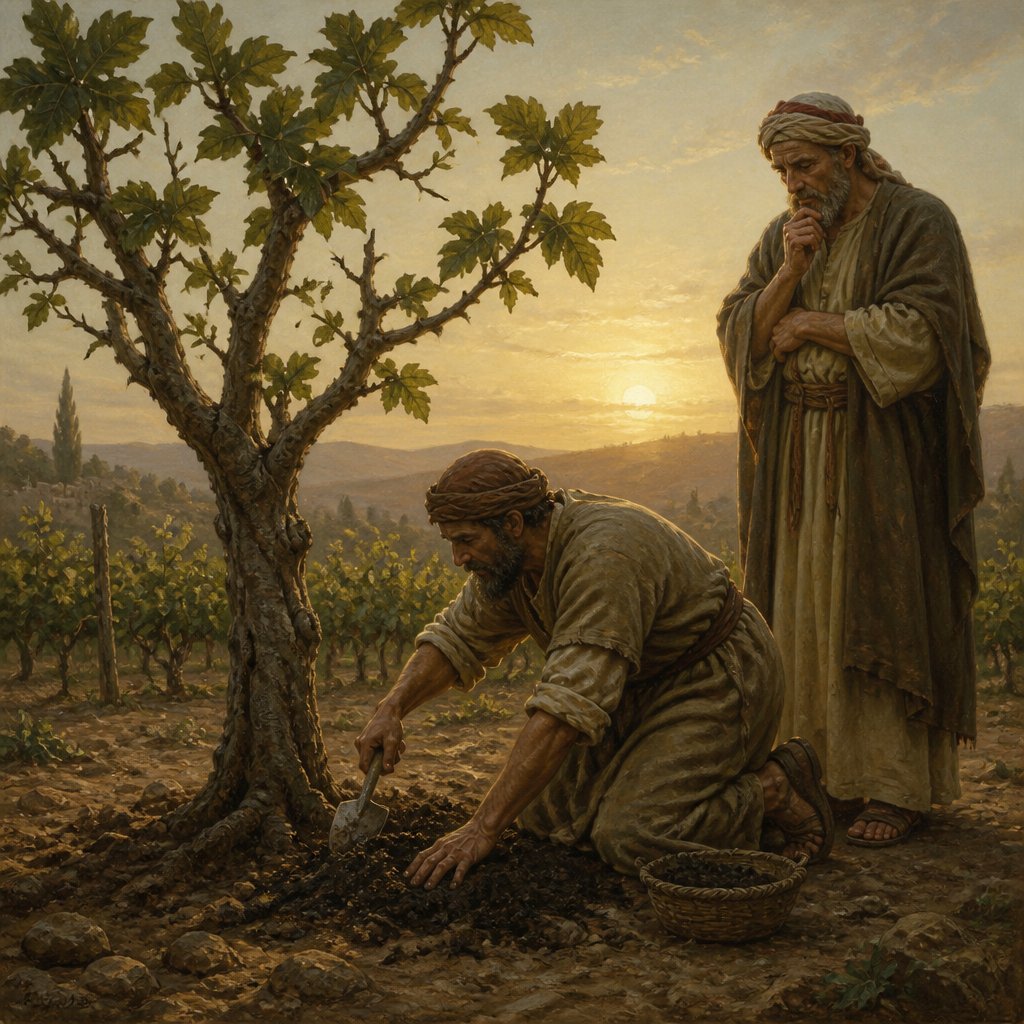
In Luke 13:6-9, we encounter a poignant parable that speaks volumes about divine patience, grace, and the expectation of fruitfulness in our lives. The King James Version captures this interaction beautifully, stating: "He spake also this parable; A certain man had a fig tree planted in his vineyard; and he came and sought fruit thereon, and found none. Then said he unto the dresser of his vineyard, Behold, these three years I come seeking fruit on this fig tree, and find none: cut it down; why cumbereth it the ground? And he answering said unto him, Lord, let it alone this year also, till I shall dig about it, and dung it: And if it bear fruit, well: and if not, then after that thou shalt cut it down."
This parable invites us to pause and reflect on the significance of being fruit-bearing followers of Christ. The fig tree symbolizes not just the nation of Israel but every believer's life. As God’s creation, we are planted in His vineyard with the expectation of producing good fruit—fruit that reflects His character, goodness, and love to the world around us.
**A Call to Inspection**
The story begins with the owner of the vineyard who comes to inspect the fig tree. This represents God’s diligent and purposeful investigation into our lives. He seeks fruit, not merely for His satisfaction but because it reveals the state of our spiritual vitality. When we are not bearing fruit, He notices and is concerned. Just like the owner, God comes looking for evidence of our spiritual growth and maturity.
**The Gift of Grace**
The response of the dresser of the vineyard reminds us of God’s abundant grace. Instead of immediately condemning the unfruitful tree, the dresser intercedes, asking for a little more time. "Let it alone this year also," he pleads. This is a beautiful illustration of God’s grace over judgment. How often in our own lives have we been unfruitful, yet still breathe the air of grace that allows us to grow? This reminder encourages us that there is still time—time to repent, to seek God earnestly, and to cultivate the soil of our hearts so that we might bear fruit abundantly.
**The Responsibility of Cultivation**
The dresser also suggests that he will "dig about it, and dung it." This is where our responsibility in spiritual growth becomes evident. God, in His mercy, offers us time, but He also invites us to engage in the process of cultivation. We can’t expect growth without making an effort to nurture our relationship with Him. This may involve digging deep into His word, spending time in prayer, and surrounding ourselves with a community of believers who encourage us toward maturity. The act of applying dung symbolizes the necessary but often unpleasant work of fertilizing our spiritual lives; it reminds us that sometimes, growth involves enduring trials or challenges that are meant to strengthen our faith.
**The Urgency of Fruitfulness**
Lastly, there is an urgency in this parable. The vineyard owner is adamant that if the tree does not bear fruit after the grace period, it will be cut down. This serves as a sober warning. God’s patience has limits, and ultimately, He expects results. Our lives must reflect the work of Christ within us, and our faith must be apparent to those around us. We are called to action. Are we living in a way that is countercultural to the world, producing love, joy, peace, and kindness? Are we allowing the Holy Spirit to transform us and produce good works through us?
**Conclusion**
In conclusion, this parable encapsulates the essence of what it means to live in God’s vineyard. We are called to be fruitful; however, through God’s grace, we are given the time and resources we need to grow. Let us take this opportunity to examine our lives, to heed the call to cultivate our spiritual gardens, and to bear fruit that glorifies Him. As we do, may we also remember to extend that same grace to others, inviting them into the vineyard as we grow together in Christ.
Want to reflect more on Luke 13:6-9?
Continue your spiritual journey with Bible Chat — an AI-powered tool for exploring God's Word through conversation. Ask questions, discover connections, and deepen your understanding.
Get Our Apps


Luke 13:6-9 Artwork

Luke 13:6-9

Luke 13:6-9 - "He also spoke this parable: “A certain man had a fig tree planted in his vineyard, and he came seeking fruit on it and found none. Then he said to the keeper of his vineyard, ‘Look, for three years I have come seeking fruit on this fig tree and find none. Cut it down; why does it use up the ground?’ But he answered and said to him, ‘Sir, let it alone this year also, until I dig around it and fertilize it. And if it bears fruit, well. But if not, after that you can cut it down.’"
"He also spoke this parable: “A certain man had a fig tree planted in his vineyard, and he came seeking fruit on it and found none. Then he said to the keeper of his vineyard, ‘Look, for three years I have come seeking fruit on this fig tree and find none. Cut it down; why does it use up the ground?’ But he answered and said to him, ‘Sir, let it alone this year also, until I dig around it and fertilize it. And if it bears fruit, well. But if not, after that you can cut it down.’" - Luke 13:6-9

Luke 13:9 - "And if it bear fruit, well: and if not, then after that thou shalt cut it down."

Matthew 6:9-13

Luke 9:6 - "And they departed, and went through the towns, preaching the gospel, and healing every where."

Luke 6:13 - "¶ And when it was day, he called unto him his disciples: and of them he chose twelve, whom also he named apostles;"

Luke 13:6 - "¶ He spake also this parable; A certain man had a fig tree planted in his vineyard; and he came and sought fruit thereon, and found none."
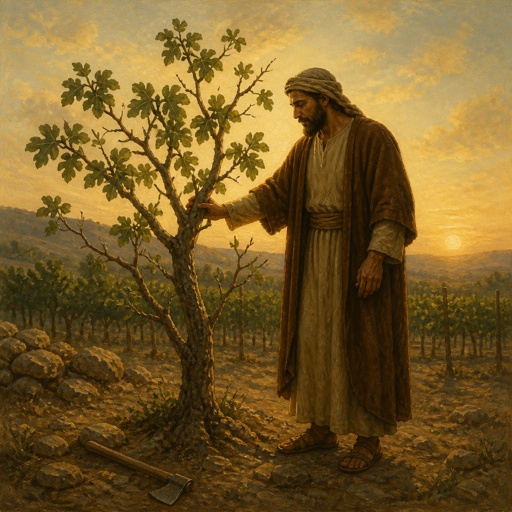
"And if it bear fruit, well: and if not, then after that thou shalt cut it down." - Luke 13:9
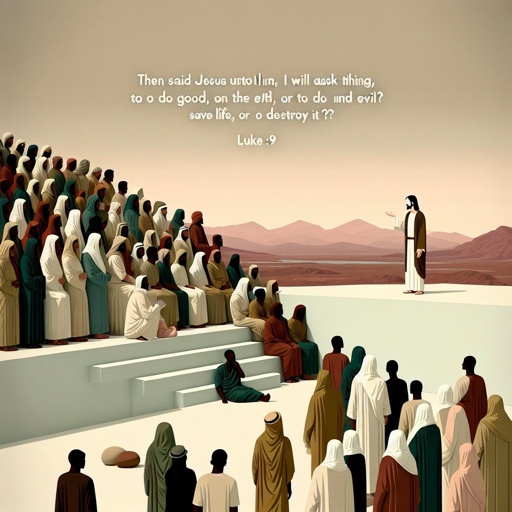
Luke 6:9 - "Then said Jesus unto them, I will ask you one thing; Is it lawful on the sabbath days to do good, or to do evil? to save life, or to destroy it?"
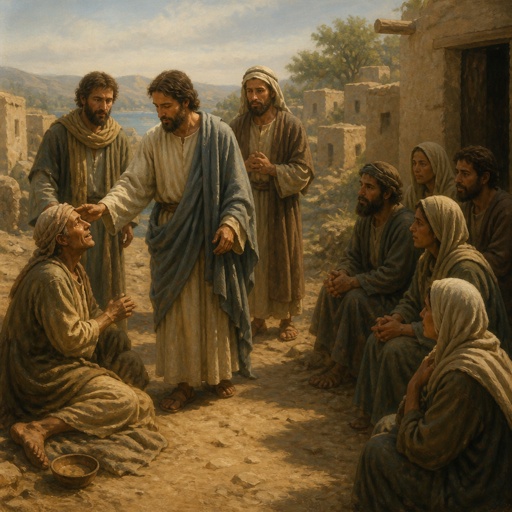
"And they departed, and went through the towns, preaching the gospel, and healing every where." - Luke 9:6

Luke 9:13 - "But he said unto them, Give ye them to eat. And they said, We have no more but five loaves and two fishes; except we should go and buy meat for all this people."

Luke 13:18-19

Luke 13:20-21

Luke 13:20-21

Luke 13:18-19
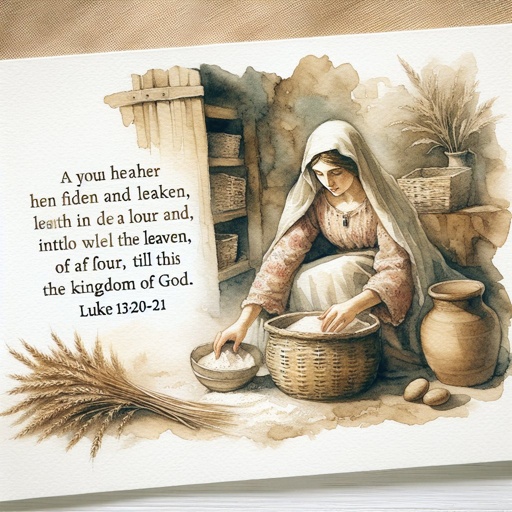
Luke 13:20-21

Luke 13:20-21

Luke 13:20-21

Luke 1:13

Luke 1:13

Luke 8:13

Luke 13:24

Luke 8:13

Luke 1:13

Luke 1:13

Luke 8:13

Luke 6

Luke 1:13

Luke 2:13