Cultivating Fruitfulness: A Call to Reflect and Grow
"Then said he unto the dresser of his vineyard, Behold, these three years I come seeking fruit on this fig tree, and find none: cut it down; why cumbereth it the ground?" - Luke 13:7
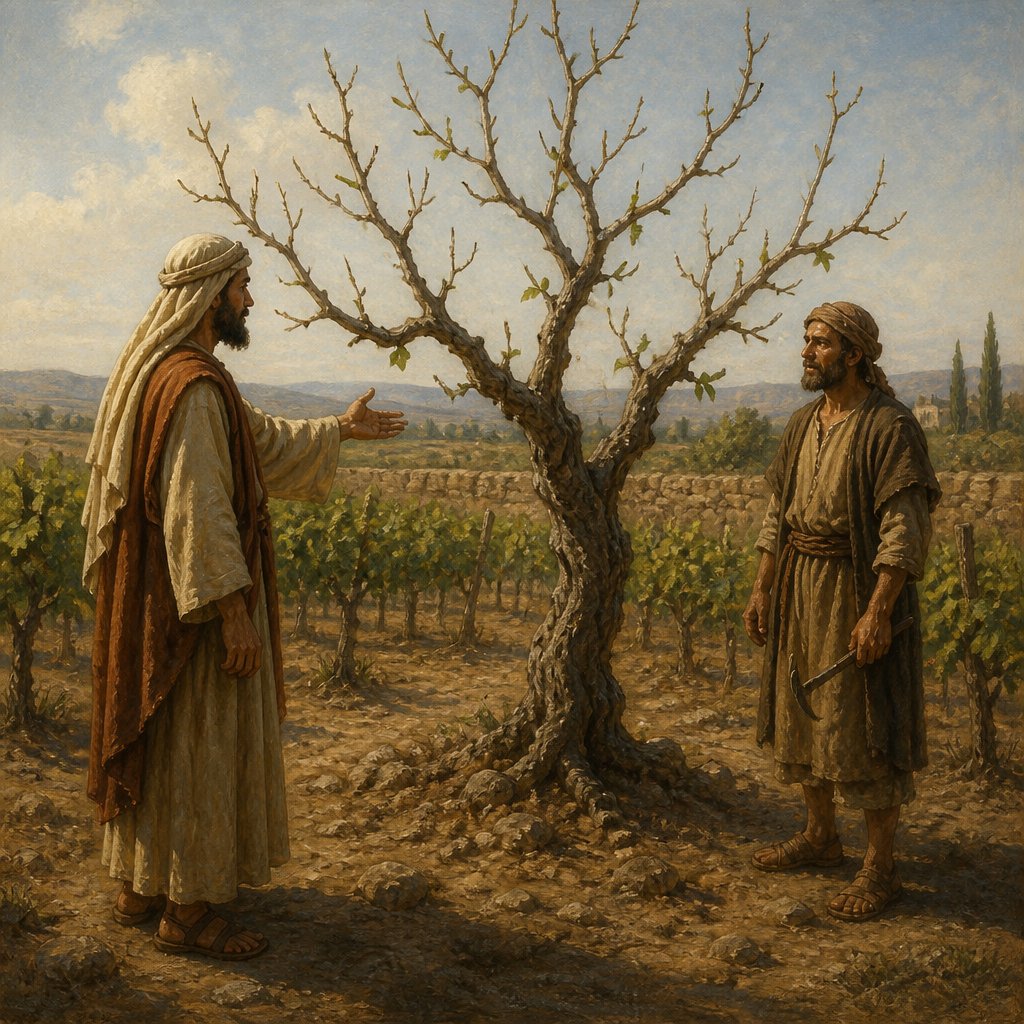
In the parable of the barren fig tree found in Luke 13:7, we encounter a poignant question posed by a vineyard owner to the dresser of his vineyard. The King James Version (KJV) states, "Then said he unto the dresser of his vineyard, Behold, these three years I come seeking fruit on this fig tree, and find none: cut it down; why cumbereth it the ground?" This lamentation reflects not only the deep disappointment of the vineyard owner but also serves as a stark reminder of our calling to be fruitful in our lives.
When we delve into the context of this scripture, we find that Jesus is addressing the nature of repentance and the urgency of producing good fruit within the lives of His followers. The fig tree, often used as a symbol of Israel and its spiritual state, represented a lack of spiritual fruitfulness during a time when God was seeking a deeper relationship with His people. For three years, the vineyard owner sought fruit but found none. In the same manner, God often seeks to cultivate spiritual growth within us, yet we can find ourselves stagnating in our faith, failing to produce the fruit He desires.
This verse compels us to ask ourselves—are we bearing the fruit of the Spirit in our lives? Galatians 5:22-23 provides a list of this fruit: love, joy, peace, long-suffering, gentleness, goodness, faith, meekness, temperance. As Christ followers, these qualities should characterize our daily walk. However, just like the barren fig tree, we may fall into times of dormancy, where our lives do not reflect the transformative power of Christ. Reflective of our own lives, the question then arises—"What prevents us from bearing fruit?"
In examining the reasons behind our fruitlessness, we must consider barriers such as sin, complacency, and distractions. Sin can create a chasm in our relationship with God, causing us to grow distant rather than dependent. Complacency can lead to stagnation, where we become comfortable in our routines, forsaking the spiritual disciplines that foster growth. And distractions, whether they are the pursuits of this world or our internal struggles, can siphon our focus away from God’s calling for us.
Reflecting further, we see the compassionate nature of the dresser of the vineyard, who advocates for the fig tree. In the latter part of the parable, he pleads, "Let it alone this year also, till I shall dig about it, and dung it" (Luke 13:8). This is a beautiful picture of grace and opportunity; the dresser's desire to give the tree another chance speaks of God's patient mercy toward us. He is continually digging around us, removing hindrances, and fertilizing our hearts with His Word, hoping to see a breakthrough in our fruitfulness.
As we meditate on this scripture, let us consider the 'digging' that God might be doing in our lives. Is He removing distractions, pruning unhealthy relationships, or encouraging us to step out in faith? It may feel uncomfortable or painful, but it is crucial for spiritual growth. Just as a gardener diligently works to prepare the soil, God prepares our hearts for the fruitful lives He desires us to lead.
Today, let us proactively engage with God, inviting Him to inspect our spiritual fruitfulness. Let us ask ourselves how we might invest our energy into cultivating a deeper relationship with Him, where His love can overflow into every aspect of our lives. Are there areas within us that need attention, where we need to repent or surrender? As we openly come before Him, the Gardener of our souls, let us remember the promise that He desires to turn our barrenness into fruitfulness.
In conclusion, may this parable inspire us not only to reflect on our own fruitfulness but also encourage us to assist others in their growth. Let us be a community that nurtures and supports one another as we seek to abide in Christ, for when we remain in Him, we will undoubtedly bear much fruit (John 15:5).
Want to reflect more on Luke 13:7?
Continue your spiritual journey with Bible Chat — an AI-powered tool for exploring God's Word through conversation. Ask questions, discover connections, and deepen your understanding.
Get Our Apps


Luke 13:7 Artwork

Luke 13:7 - "Then said he unto the dresser of his vineyard, Behold, these three years I come seeking fruit on this fig tree, and find none: cut it down; why cumbereth it the ground?"
"Then said he unto the dresser of his vineyard, Behold, these three years I come seeking fruit on this fig tree, and find none: cut it down; why cumbereth it the ground?" - Luke 13:7

Luke 7:13 - "And when the Lord saw her, he had compassion on her, and said unto her, Weep not."

Luke 7:13 (KJVA) 13 And when the Lord saw her, he had compassion on her, and said unto her, Weep not.

"And when the Lord saw her, he had compassion on her, and said unto her, Weep not." - Luke 7:13

Luke 13:18-19

Luke 13:20-21

Luke 13:20-21

Luke 13:18-19
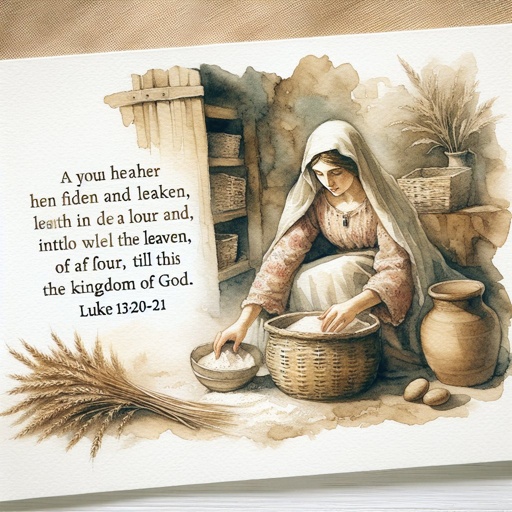
Luke 13:20-21

Luke 13:20-21

Luke 13:20-21

Luke 1:13

Luke 1:13

Luke 8:13

Luke 13:24

Luke 8:13

Luke 1:13

Luke 1:13

Luke 8:13

Luke 1:13

Luke 2:13

Luke 1:13

Luke 13:13 - "And he laid his hands on her: and immediately she was made straight, and glorified God."

Luke 2:13-14

Luke 13:6-9

Luke 16:1-13

Luke 2:13-14

Luke 7:33

Luke 7:50