The Call to True Relationship: Recognizing the Bread of Life
“Then shall ye begin to say, We have eaten and drunk in thy presence, and thou hast taught in our streets.” — Luke 13:26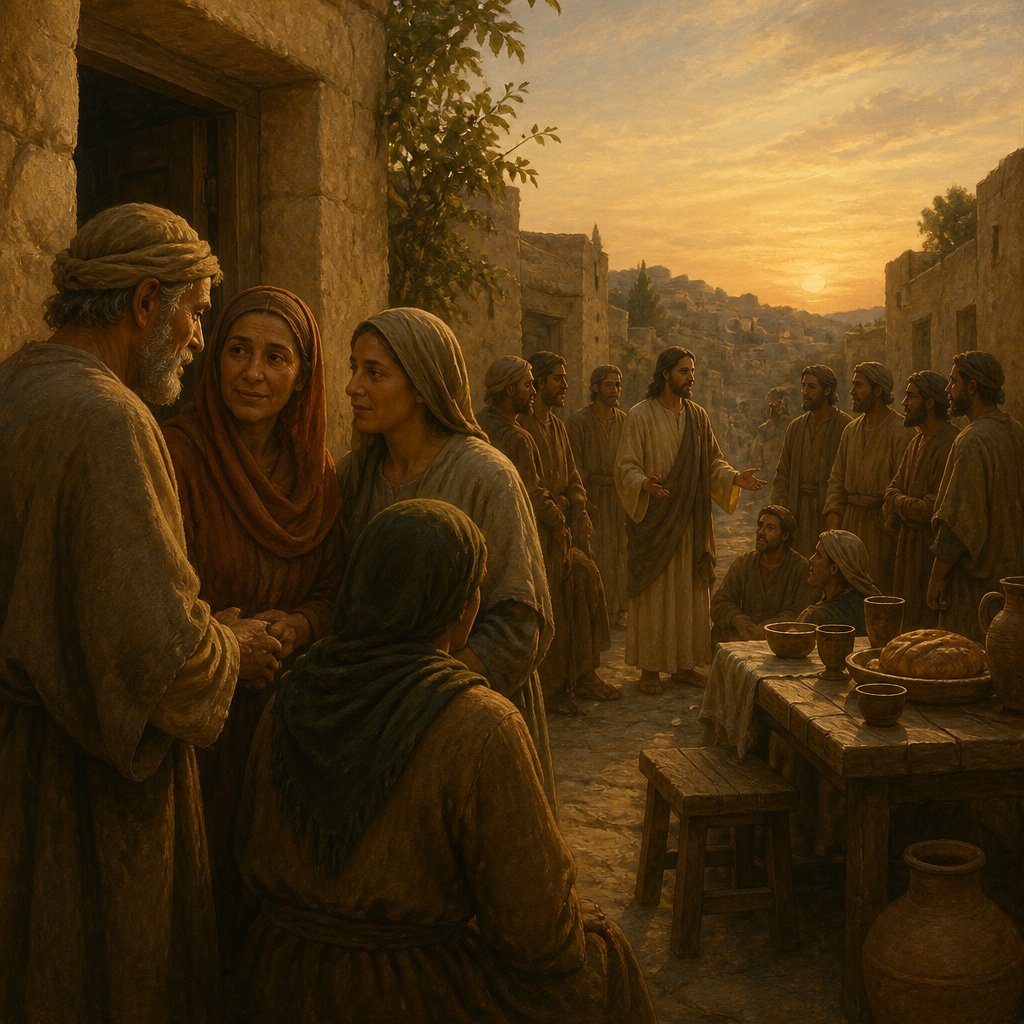
In the Gospel of Luke, we encounter a profound moment of reflection in Luke 13:26, where Jesus profoundly states, "Then shall ye begin to say, We have eaten and drunk in thy presence, and thou hast taught in our streets." This verse invites us to explore the deeper meaning of our relationship with Christ, the nature of His teachings, and the challenge of spiritual complacency.
As we dive deeper into this verse, it serves as a prophetic warning about recognizing the distinction between a superficial acquaintance with Jesus and a genuine relationship with Him. The individuals here reminisce about the physical acts of eating and drinking in His presence and receiving teachings in their streets. On the surface, it may seem like a celebration of their connection to Jesus, but He points out the futility of such claims without a deeper spiritual engagement.
The context of this scripture begins to unfold when we consider the surrounding passages, where Jesus is speaking about those who will be rejected at the door of the Master. They claim to have shared moments with Him, yet He replies that He does not know them. This challenges us to reflect on our own spiritual lives—do we find our assurance in mere participation in religious activities, or is our faith rooted in a transformative relationship with Christ?
Jesus uses the imagery of eating and drinking to intimate the covenant relationship He desires with us. In the traditions of His time, sharing a meal was an act of fellowship, a bonding experience. When Jesus breaks bread with His disciples, it symbolizes more than just sustenance; it is an invitation into communion and connection. However, it is easy for us to become ritualistic, treating our time with God as mere duty rather than an opportunity for intimacy.
Indeed, how often do we approach our spiritual practices with a checklist mentality? We attend church, participate in Bible studies, and even partake in sacraments, yet all the while lacking the true heart of worship. Just as Jesus admonished those who feasted with Him in the past, He also calls out to us today to examine our hearts and assess the authenticity of our faith.
Furthermore, Jesus mentions teaching in the streets, which denotes His openness and the accessibility of His message. His teachings were not confined to temples or synagogues—they reached the multitudes in their daily lives. In recognizing this, we should acknowledge that the Word of God is meant to permeate every aspect of our existence. How often do we allow His teachings to influence our decisions, relationships, and attitudes? Are we adopting His principles as foundational elements of our lives, or are they merely ideas that we hear on Sundays?
As believers, there is an inseparable connection between eating of the Bread of Life and drinking from the Living Waters. In John 6:35, Jesus proclaims, "I am the bread of life: he that cometh to me shall never hunger; and he that believeth on me shall never thirst." The invitation is clear—He desires us not just to physically partake of Him but to practically engage with Him in faith and obedience.
This leads us back to the warning in Luke 13:26. It prompts us to ask ourselves if we have truly embraced Christ as the source of our fulfillment, or if we have merely settled for an existence that checks the boxes of religiosity. God is calling us to deepen our relationship with Him beyond the external acts—to enter into a life-changing walk where His teachings influence our daily actions and decisions.
In a culture that is easily distracted and often misses the profound depths of divine truth, let us strive to be more than just those who have "eaten and drunk" in His presence. Let us respond to His call, allowing His presence to fill us, transform us, and shine brightly through us. In doing so, we ensure that our connection with Him is genuine, vibrant, and life-giving.
Get our apps


Artwork for Luke 13:26

Luke 13:26 - "Then shall ye begin to say, We have eaten and drunk in thy presence, and thou hast taught in our streets."
"Then shall ye begin to say, We have eaten and drunk in thy presence, and thou hast taught in our streets." - Luke 13:26

luke 1:26

luke 1:26

Luke 1:26

Luke 12:25-26

Luke 12:25-26

Luke 16:22-26

Luke 12:25-26

Luke 6:21-26

Luke 12:25-26

Luke 12:25-26

Luke 12:25-26

Luke 6:21-26

Luke 5:17-26

Luke 12:25-26

Luke 18:26 - "And they that heard it said, Who then can be saved?"

Luke 13:18-19

Luke 13:20-21

Luke 13:20-21

Luke 13:18-19
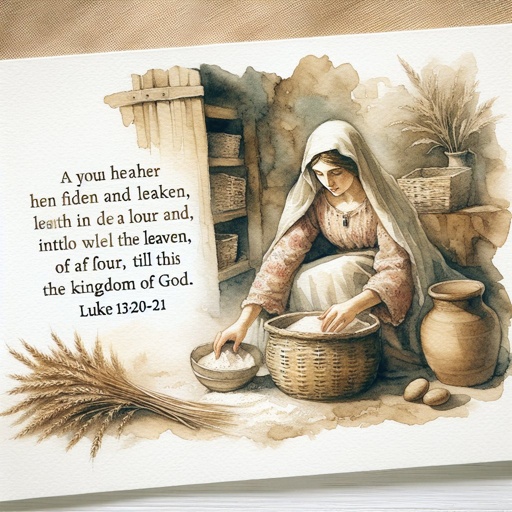
Luke 13:20-21

Luke 8:26 - "¶ And they arrived at the country of the Gadarenes, which is over against Galilee."

Luke 13:20-21

Luke 13:20-21

Luke 17:26 - "And as it was in the days of Noe, so shall it be also in the days of the Son of man."

Luke 1:13

Luke 1:13

Luke 8:13

Luke 13:24