The Weight of Being Known: A Reflection on Luke 13:27
"But he shall say, I tell you, I know you not whence ye are; depart from me, all ye workers of iniquity." - Luke 13:27

In the quiet contemplation of our spiritual journey, few messages resonate more hauntingly than the words of Jesus in Luke 13:27: "But he shall say, I tell you, I know you not whence ye are; depart from me, all ye workers of iniquity." This verse serves as both a somber reminder and a clarion call to examine the nature of our relationship with Christ.
The context of this statement lies within a parable that Jesus shares regarding the narrow door—the gate of salvation that is accessible yet unyielding. Those who knock with expectant hearts and steady faith will enter, while those who show up with mere familiarity or superficiality will find themselves rebuffed. The imagery presented is not one of divine wrath, but of a deep yearning for genuine communion with Him.
To truly grasp the gravity of the phrase "I know you not whence ye are," we must delve into the meaning of being known by Christ. In Scripture, knowing goes beyond mere recognition; it embodies intimacy, understanding, and relational depth. In John 10:27, Jesus states, "My sheep hear my voice, and I know them, and they follow me." The essence of our faith should be characterized by this profound knowledge—a Father knowing His children, and children recognizing their Father.
Yet here in Luke, we are faced with individuals striving to enter God's presence only to hear the sorrowful decree of separation. "Depart from me, all ye workers of iniquity." These words encapsulate the distressing reality for anyone who believes they possess a right to be with God based solely on their appearances or activities, rather than the heartfelt connection that He desires. The "workers of iniquity" remind us that external actions do not automatically equate to an internal alignment with God’s will.
In our modern Christian lives, we often find comfort in a checklist of faith-based activities—church attendance, service projects, evening prayers. However, the troubling implication of this verse is that such markers can lead us unexamined at the crossroad of acceptance and rejection. When we fail to cultivate a relationship with Jesus, we may unwittingly rely on our merit rather than His mercy.
How do we move from being nameless workers to sons and daughters known and loved by Christ? We reflect on our motives and our heart's posture. Matthew 7:21-23 elucidates a similar truth, where Jesus mentions that not everyone who calls Him "Lord" will enter the kingdom of heaven, but only those who fulfill His will. It implores us to seek an authentic connection over empty profession. Are we laboring out of a desire to earn approval, or from an overflow of love for the Author of our faith?
Moreover, this dichotomy prompts us to assess our understanding of God’s nature. He is portrayed throughout Scripture as a personal God who yearns for communion with His creation. The Old Testament is dotted with accounts of His faithfulness; He is a present help in times of trouble and a Shepherd who guides His flock. Embracing Him requires abandoning our pretenses and entering a posture of vulnerability.
As we press into our prayer life and scriptural meditations, let us seek to encounter God personally, asking Him to reveal areas where we may be merely going through the motions. May we ask Him to help us distinguish between those who know Christ deeply and those who have merely brushed against His presence. Embracing a prayer of authenticity, we ask:
"Lord, may I not merely seek You for the rewards but desire Your heart. Help me to understand the depths of Your love and gravitate towards genuine repentance and grace. I seek to be known by You in truth and spirit."
In the end, let us not be found among the workers of iniquity, but rather among those who are known, cherished, and called by name, ever endeavoring to walk through the narrow door that leads to abundant life.
Want to reflect more on Luke 13:27?
Continue your spiritual journey with Bible Chat — an AI-powered tool for exploring God's Word through conversation. Ask questions, discover connections, and deepen your understanding.
Get Our Apps


Luke 13:27 Artwork

Luke 13:27 - "But he shall say, I tell you, I know you not whence ye are; depart from me, all ye workers of iniquity."

"But he shall say, I tell you, I know you not whence ye are; depart from me, all ye workers of iniquity." - Luke 13:27

Luke 13:28-27

Luke 13:28-27

Luke 13:28-27

luke 1:27

luke 6: 27

Luke 10:27

Luke 6: 27-38

Luke 6:27-38

Luke 13:18-19

Luke 13:20-21

Luke 13:18-19

Luke 13:20-21
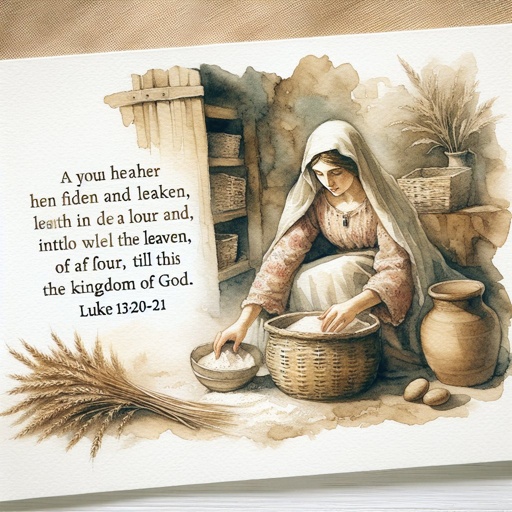
Luke 13:20-21

Luke 13:20-21

Luke 13:20-21

Luke 18:27 - "And he said, The things which are impossible with men are possible with God."

Psalm 27:13-14

Luke 21:27 - "And then shall they see the Son of man coming in a cloud with power and great glory."

Luke 8:13

Luke 1:13

Luke 1:13

Luke 8:13

Luke 13:24

Luke 1:13

Luke 8:13

Luke 1:13

Luke 1:13

Luke 2:13