The Fall of Siloam: Reflections on Tragedy and Grace
“Or those eighteen, upon whom the tower in Siloam fell, and slew them, think ye that they were sinners above all men that dwelt in Jerusalem?” — Luke 13:4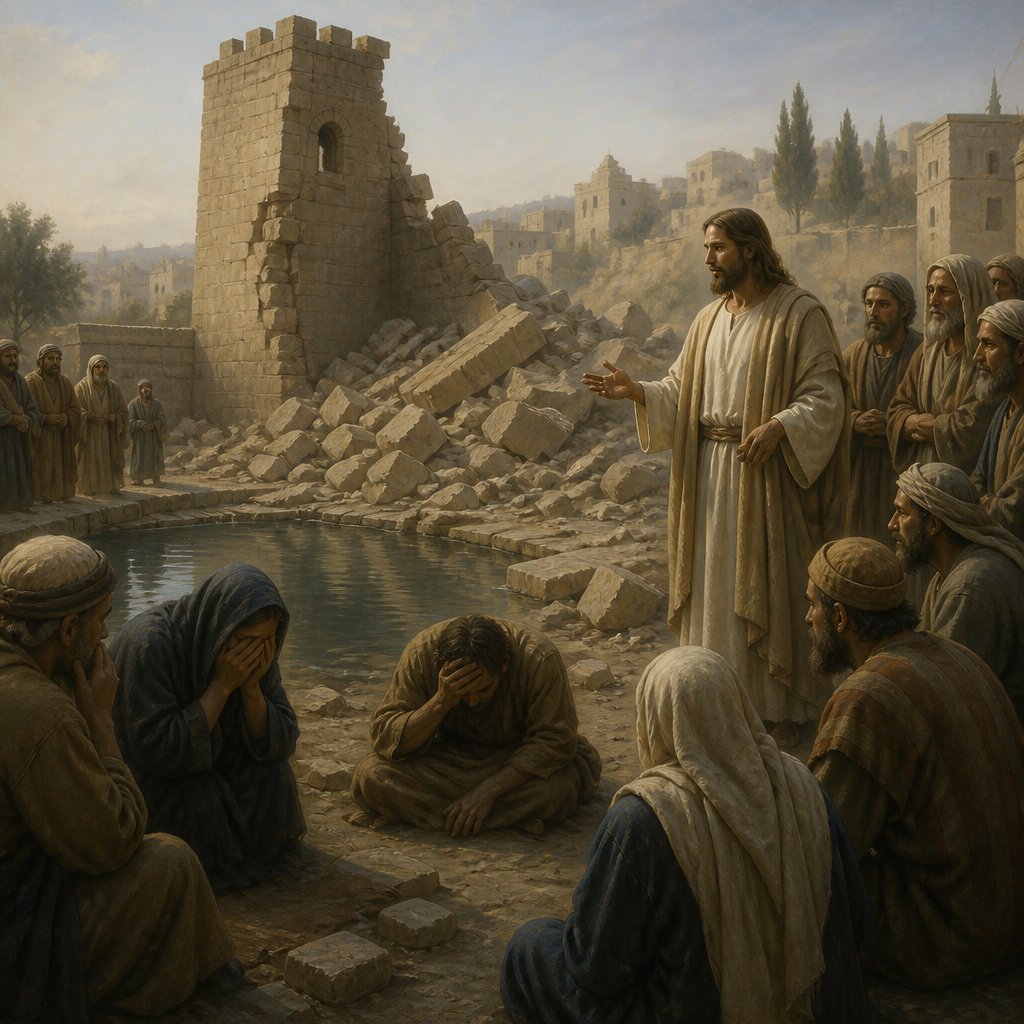
In the Gospel of Luke, chapter 13, verse 4 presents a particularly poignant inquiry from Jesus: "Or those eighteen, upon whom the tower in Siloam fell, and slew them, think ye that they were sinners above all men that dwelt in Jerusalem?" This verse prompts us to reflect deeply on the nature of tragedy, sin, and God’s grace.
At first glance, the incident at Siloam appears to highlight a random act of misfortune, a sudden collapse of a tower that led to the death of eighteen individuals. Jesus uses this moment to challenge the prevalent thinking of His time. The people might have assumed that these victims were especially wicked, deserving of their fate, while others were spared perhaps because of their righteousness.
But therein lies the fundamental misconception Jesus aims to dispel. In a world marred by sin, the line between the ‘innocent’ and the ‘guilty’ is not easily drawn. The tragedy of the Siloam tower is a stark reminder that calamities befall both the righteous and the unrighteous. Jesus, in His profound wisdom, points to the fallacy of human judgment - that suffering is not always a direct reflection of one's standing before God.
To delve deeper into this message, we must recognize that humanity often harbors a dangerous tendency to equate misfortune with divine retribution. The disciples, and indeed the crowd, held a simplistic view of sin and punishment. We see this thread woven throughout Biblical texts; Job’s friends assumed calamity must be the result of sin, just as the Pharisees often looked down on those they deemed sinful. Yet, Jesus turns this notion upside down. He acknowledges the tragedy, but rather than attributing guilt, He offers a call to introspection and repentance.
When we consider the fallen tower in Siloam, it becomes more than just a historical reference. It illustrates the unpredictability of life, the fragility of human existence, and the fact that none are immune to suffering. How often do we encounter situations where disaster strikes without warning? The reality of unexpected loss, be it from natural disasters, accidents, or even terminal illness, forces us to grapple with the impermanence of life.
As we reflect upon Jesus’ question, we should ask ourselves: what is our reaction to the tragedies we witness in this world? Are we quick to judge, or do we lean into compassion? Jesus’ words serve as a call to humility. Instead of highlighting the sins of others, we are urged to examine our own hearts. We are reminded of our shared humanity, our collective brokenness, and ultimately, our shared need for God’s mercy.
Moreover, this incident reveals a profound invitation: to consider the grace of God that extends beyond the boundaries of human reasoning. The Siloam tragedy is emblematic of the life we all live — fraught with unforeseen events, yet simultaneously saturated with God’s grace. The reality is that no one is better than another, and Jesus invites us to recognize our need for repentance, reminding us of our shared plight in need of divine intervention.
In the conclusion of this reflective meditation, let us not forget the charge to respond with grace and love in times of calamity. The questions posed by Jesus beckon us to embrace a deeper understanding of God’s justice, grace, and mercy. May we not fall into the trap of self-righteousness or judgment, but rather, embody the listening ear, the helping heart, and the loving presence of Christ in a world where tragedy roams.
Let us also remember that suffering, while sometimes inexplicable, points us to the cross of Christ. In His suffering, Jesus took upon Himself all our sin and misery. So as we face our own towers of Siloam, may we respond not with despair, but with hope — the hope that indeed God’s grace is sufficient for our every need. Let us live in a way that reflects this hope, showing mercy, compassion, and understanding as we navigate our shared journey in a broken world.
Get our apps


Artwork for Luke 13:4

Luke 13:4 - "Or those eighteen, upon whom the tower in Siloam fell, and slew them, think ye that they were sinners above all men that dwelt in Jerusalem?"
"Or those eighteen, upon whom the tower in Siloam fell, and slew them, think ye that they were sinners above all men that dwelt in Jerusalem?" - Luke 13:4

Luke 4:13 - "And when the devil had ended all the temptation, he departed from him for a season."
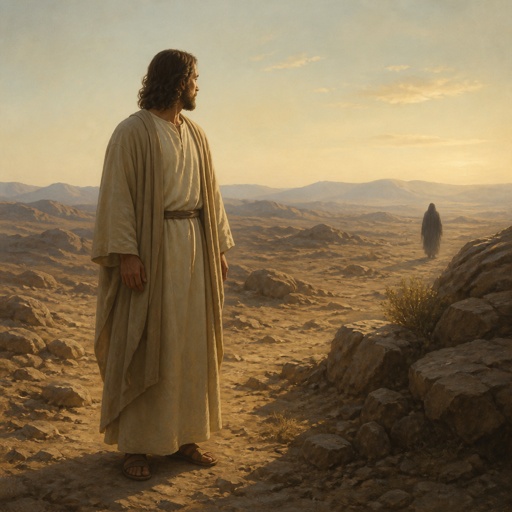
"And when the devil had ended all the temptation, he departed from him for a season." - Luke 4:13

Luke 13:18-19

Luke 13:20-21

Luke 13:20-21

Luke 13:18-19

Luke 13:20-21

Luke 13:20-21

Luke 13:20-21

Luke 1:13

Luke 1:13

Luke 8:13

Luke 13:24

Luke 8:13

Luke 1:13

Luke 1:13

Luke 8:13

Luke 1:13

Luke 2:13

Luke 1:13

Luke 13:13 - "And he laid his hands on her: and immediately she was made straight, and glorified God."

Luke 2:13-14

Luke 13:6-9

Luke 16:1-13

Luke 2:13-14

Luke 24:13-35

luke 13:28-37

Luke 13:28-27