The Divine Gardener: A Call to Fruitfulness
“And if it bear fruit, well: and if not, then after that thou shalt cut it down.” — Luke 13:9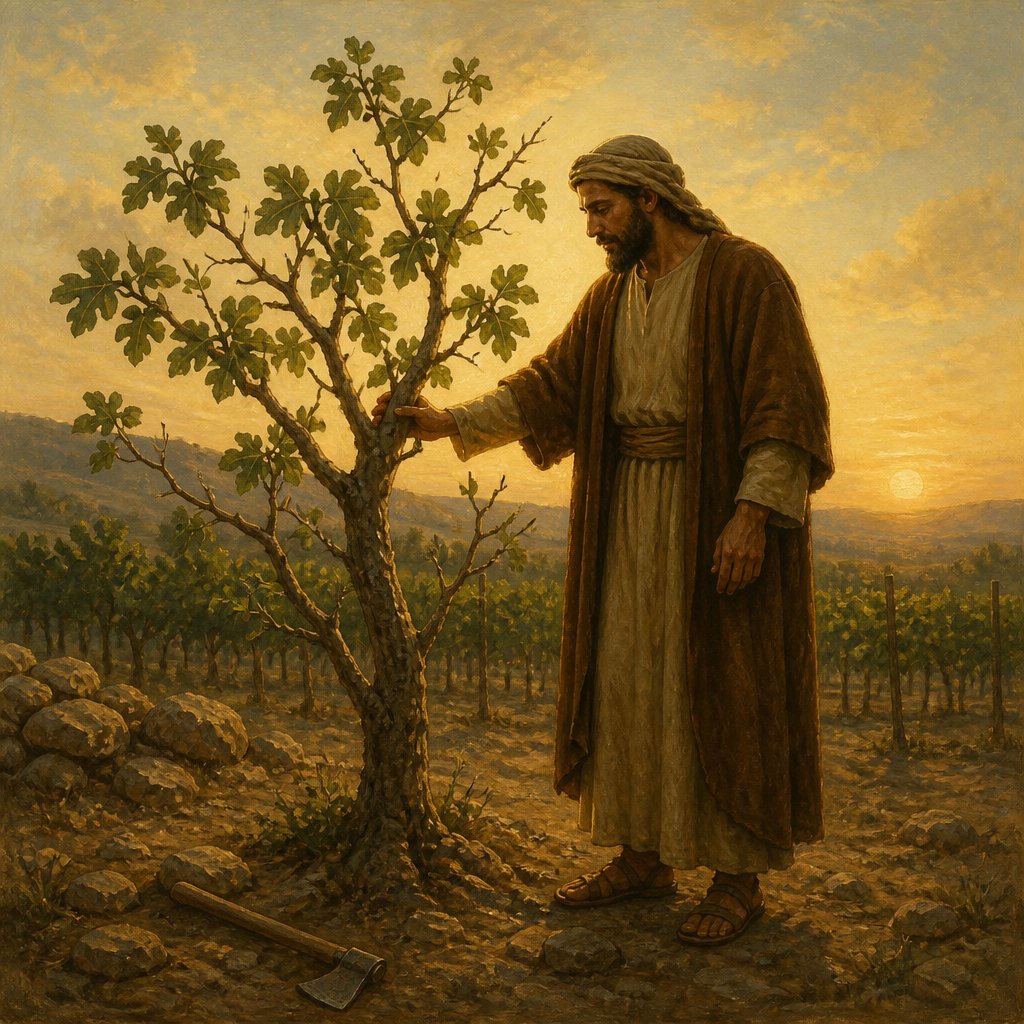
In the Gospel of Luke, we encounter a penetrating parable spoken by Jesus that highlights the urgency of bearing fruit in our lives. Luke 13:9 states, "And if it bear fruit, well: and if not, then after that thou shalt cut it down." This verse serves as a sobering reminder of the expectations God has for us as His creations and the grace afforded to us to fulfill those expectations.
The imagery of the gardener nurturing a fig tree is profound. Fig trees, in biblical times, were often symbols of prosperity, peace, and divine blessing. A fig tree that does not bear fruit represents unfulfilled potential. Each of us is like this fig tree; we are planted in a particular soil, nourished by the Word, and given the light of Christ to grow. Yet, the question remains, are we producing the fruit that we were intended to bear?
When Jesus mentions the gardener's hesitance to cut down the tree, we witness a characteristic of a loving, patient God. The gardener intercedes for the tree, crying out, "Let it alone this year also, till I shall dig about it, and dung it" (Luke 13:8). This moment signifies grace; it underscores that every single person is given an opportunity for repentance, growth, and flourishing in ways that can bring glory to God. The gardener represents Christ, who yearns for each of us to reach our potential but also understands the urgency of the call.
Symbolically, fruit in our lives can take many forms. In Galatians 5:22-23, Paul outlines the fruit of the Spirit: love, joy, peace, longsuffering, gentleness, goodness, faith, meekness, temperance. These attributes are not simply ideals to aspire to; they are to be the manifestations of our relationship with God. As we delve deeper into this divine relationship, we should reflect on whether these qualities are evident in our lives or if we are merely existing without producing.
The question is not only about what fruit we are bearing but also how we evaluate our own lives against this assessment. In the parable, the gardener's desire is clear; he wants to see the tree thrive, and he is willing to invest labor in digging and fertilizing the soil. Are we allowing God to cultivate our hearts? Are we surrendering the rocky soil of unforgiveness, bitterness, or complacency that can hinder spiritual growth? When we refuse to allow God to work in us, we risk becoming like the parable’s fruitless tree, destined for destruction instead of divine purpose.
However, this verse does not only speak to judgment but carries an invitation. It beckons us to evaluate and re-evaluate our lives fruitfully and faithfully. Each day presents an opportunity for cultivation. Perhaps it is time to spend more time in prayer, allowing God's Word to penetrate our lives deeply. As we seek to bear good fruit, we can be assured that the Holy Spirit will work alongside us, motivating and enabling us to display those traits that please our Maker.
In conclusion, the warning of Luke 13:9 is clear, yet it is permeated with grace. The choice is placed before us: we can either respond to God’s call to bear fruit or risk being cut down in our complacency. Do not let this season pass without earnest reflection and action; call upon God as the Divine Gardener, inviting Him into your life to dig deep, fertilize, and cultivate you into a flourishing fig tree. In that, may God find a harvest of love, joy, peace, and all that He desires from us. Let us emerge as fruitful disciples who continually yield to His will.
Get our apps


Artwork for Luke 13:9

Luke 13:9 - "And if it bear fruit, well: and if not, then after that thou shalt cut it down."
"And if it bear fruit, well: and if not, then after that thou shalt cut it down." - Luke 13:9

Luke 13:6-9

Luke 9:13 - "But he said unto them, Give ye them to eat. And they said, We have no more but five loaves and two fishes; except we should go and buy meat for all this people."

Luke 13:18-19

Luke 13:20-21

Luke 13:18-19

Luke 13:20-21
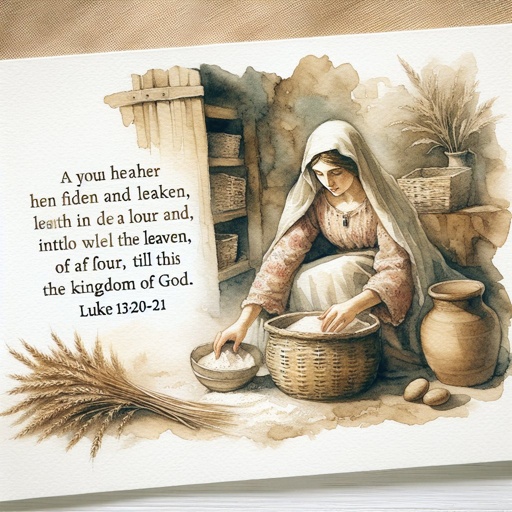
Luke 13:20-21

Luke 13:20-21

Luke 13:20-21

Luke 8:13

Luke 1:13

Luke 1:13

Luke 8:13

Luke 13:24

Luke 1:13

Luke 8:13

Luke 1:13

Luke 1:13

Luke 2:13

Luke 1:13
Luke 11:9

luke 9:30

luke 9:35

luke 9:35

Luke 9:51

Luke 11:9

Luke 13:13 - "And he laid his hands on her: and immediately she was made straight, and glorified God."

Luke 2:13-14