The Invitation to the Great Supper: Recognizing and Responding to God's Call
“Then said he unto him, A certain man made a great supper, and bade many:” — Luke 14:16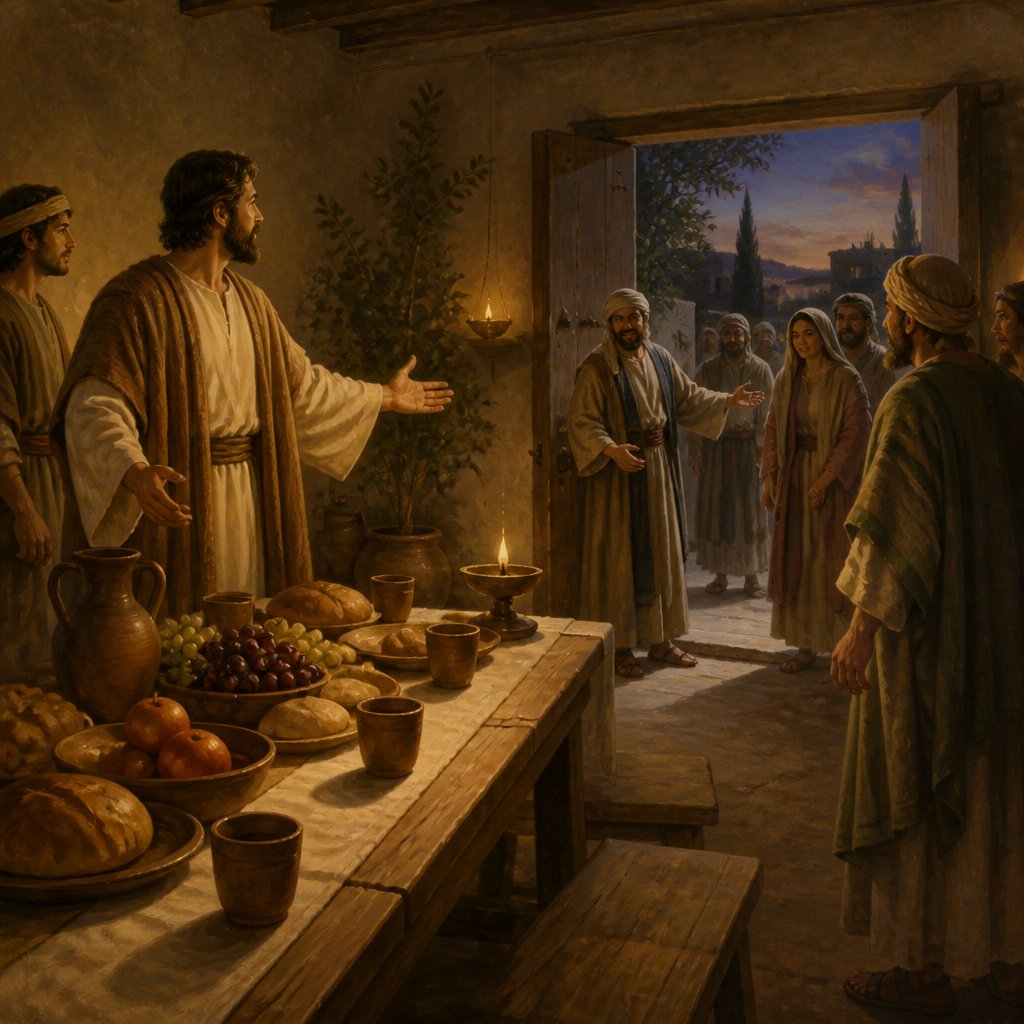
In the book of Luke, we encounter the parable of the great banquet, illustrated in Luke 14:16 (KJV): "Then said he unto him, A certain man made a great supper, and bade many." At first glance, this verse seems simple, yet beneath its surface lies profound theological implications about God’s grace, human responsibility, and the nature of our relationship with Him.
The imagery here, a great supper, signifies the Kingdom of God in its fullness, where all are invited to partake in the blessings of salvation. The use of a ‘supper’ signifies not just a meal but a gathering that requires preparation, effort, and an heart of generosity. The “certain man” represents God Himself, whose desire is to fellowship with His creation. God’s invitation to this feast is extended to all—it encompasses every race, color, and social status. In Romans 10:12 (KJV) it states, "For there is no difference between the Jew and the Greek: for the same Lord over all is rich unto all that call upon him." This emphasizes that God does not discriminate; His table is set for everyone who dares to accept His invitation.
Furthermore, understanding that this supper is 'great' is crucial. The magnitude of this feast speaks to the abundant life that Jesus offers—both in the present and the future. John 10:10 (KJV) reverberates with this promise, where Jesus states, "I am come that they might have life, and that they might have it more abundantly." This richness of life includes joy, peace, and community with Christ, which is our foretaste of eternity. The supper, therefore, is not just a feast of food but a banquet of spiritual nourishment, hope, and love.
Yet, the verse presents a weighty juxtaposition—the invitation alone does not ensure participation. The parable continues to describe how those invited made excuses and refused the invitation (Luke 14:18). They were distracted by their worldly concerns—land, oxen, and marriage. This depicts the common phenomenon of humanity prioritizing transient pursuits over God’s eternal invitation.
While the invitation is extended to many, we see through their rejection the truth that the responsiveness to God's call is an essential part of our salvation experience. The challenge resides in our hearts: Are we genuinely receptive, or are we consumed by our desires and aspirations that ultimately pull us away from God? 1 Peter 5:7 (KJV) encourages us to "Cast all your care upon him; for he careth for you." This call to cast aside our worries and embrace His invitation requires a conscious, intentional decision.
As followers of Christ, we are not merely passive recipients of this invitation; we are called to extend this supper’s invitation to others. Matthew 28:19 (KJV) commands us to make disciples of all nations. This great banquet does not conclude with our acceptance; rather, it pushes us into action. Our own experiences of this great supper compel us to invite those around us—our family, friends, and even strangers—into this grace-filled relationship. Just as the man in the parable would later go out to invite the poor, the maimed, the halt, and the blind, we, too, must reach out to those who have yet to hear or accept the invitation.
In conclusion, the great supper symbolizes the boundless love and grace of God, inviting us into a relationship that transcends our earthly distractions. Our task is not merely to accept this offer but to embody it, recognizing the urgency of the invitation and the heart of a servant that seeks to bring others to the table. Let us reflect today: Will we sit at the table and invite others, or will we allow the busyness of life to drown out the call to the great supper? Accept the invitation and share it because the Master desires full seats at His banquet.
Get our apps


Artwork for Luke 14:16

Luke 14:16 - "Then said he unto him, A certain man made a great supper, and bade many:"

Luke 14:16 Then He said to him, “A certain man gave a great supper and invited many,
"Then said he unto him, A certain man made a great supper, and bade many:" - Luke 14:16

Luke 16:14 - "And the Pharisees also, who were covetous, heard all these things: and they derided him."
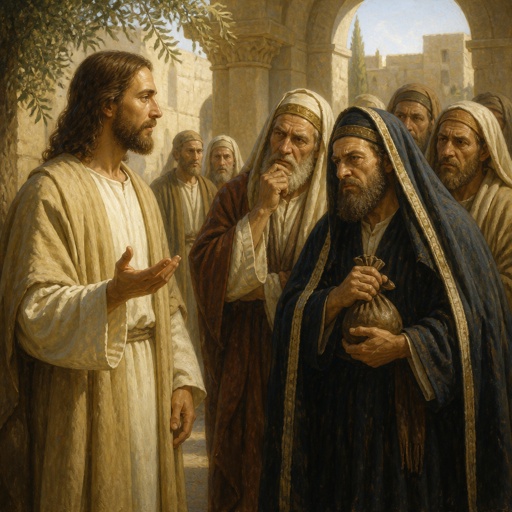
"And the Pharisees also, who were covetous, heard all these things: and they derided him." - Luke 16:14

Luke 8:16

luke 4:16

Luke 16:1-13

Luke 16:1-1313

Luke 16:22-26

Luke 16:1-13

Luke 16:1-13

Luke 2:16 - 21

Luke 14:14 - "And thou shalt be blessed; for they cannot recompense thee: for thou shalt be recompensed at the resurrection of the just."

Luke 11:14-15

Luke 18:9-14

Luke 11:1-14

Luke 14:25 - 33

Luke 11:1-14

Luke 2:13-14

Luke 18: 9-14

Luke 2:13-14

Luke 16:16 - "The law and the prophets were until John: since that time the kingdom of God is preached, and every man presseth into it."

Luke 5:16 - "¶ And he withdrew himself into the wilderness, and prayed."

Genesis 16:14

John 14:16

Luke 14:6 - "And they could not answer him again to these things."

Luke 24:16 - "But their eyes were holden that they should not know him."

Luke 23:16 - "I will therefore chastise him, and release him."

Colossians 4:14 - "Luke, the beloved physician, and Demas, greet you."