The Cost of Discipleship: A Call to Radical Commitment
“And there went great multitudes with him: and he turned, and said unto them, If any man come to me, and hate not his father, and mother, and wife, and children, and brethren, and sisters, yea, and his own life also, he cannot be my disciple. And whosoever doth not bear his cross, and come after me, cannot be my disciple.” — Luke 14:25-27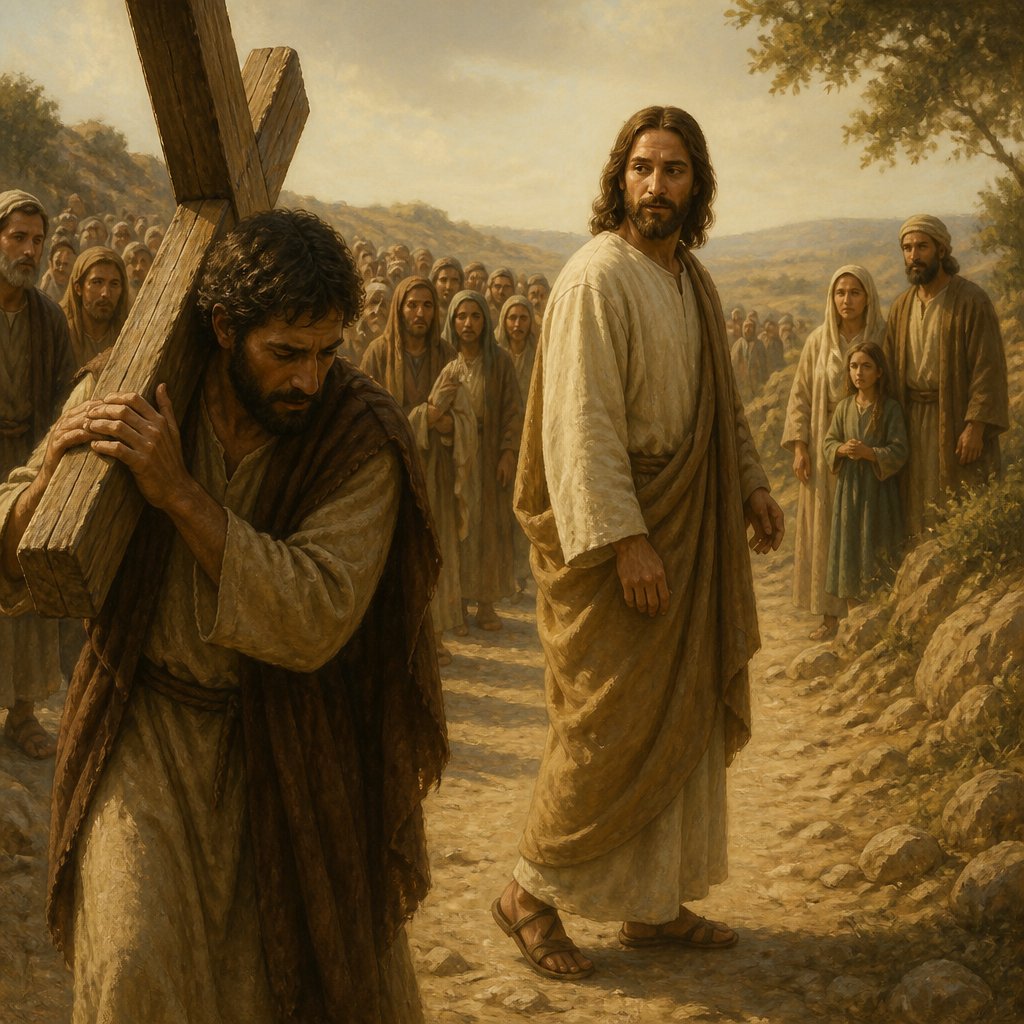
In Luke 14:25-27, we find ourselves amidst a large crowd following Jesus, an intriguing scene that resonates deeply with the nature of discipleship. The text states in the King James Version:
"And there went great multitudes with him: and he turned, and said unto them, If any man come to me, and hate not his father, and mother, and wife, and children, and brethren, and sisters, yea, and his own life also, he cannot be my disciple. And whosoever doth not bear his cross, and come after me, cannot be my disciple."
These verses encapsulate the essence of what Jesus meant when he called his followers to a life of radical commitment. At first glance, the notion of ‘hating’ one’s family might strike us as perplexing, even disheartening. However, in the context of Jewish literary style and hyperbole, Jesus is underscoring the profound priority that must be given to the call of discipleship over every earthly allegiance, even familial ties.
To grasp this teaching, we must recognize that Jesus calls us to a relationship that transcends all other relationships. He does not mean to suggest that we should literally hate our family or neglect our responsibilities to them, but rather that our loyalty to Him must take precedence above all else. This is a radical claim that demands a deep examination of our priorities. As followers of Christ, we are invited to a life that may require sacrifices—perhaps even the re-evaluation of our commitments to those we hold most dear. The extent of our discipleship is examined through the lens of our willingness to choose Christ above familial loyalty or personal comfort.
Additionally, Jesus speaks of the necessity of bearing one’s cross. This metaphor invites us to consider the burdens that may come with being a disciple. In the first century, the cross represented suffering, humiliation, and potentially martyrdom. By calling His followers to bear their crosses, Jesus illustrates that the path of discipleship is fraught with challenges and hardships. It is not a path of fame and fortune, nor is it an easy journey filled with comfort. Instead, it is a road marked by struggle, sacrifice, and a relentless pursuit of Christ despite opposition or personal cost.
The cross symbolizes the existential challenge of surrendering our own ambitions and desires. The call to "come after me" is not just an invitation; it is a challenge to live a life that emulates Christ's own—one that is marked by self-denial and a commitment to serve others. As we reflect on these words, we must examine our hearts to identify the crosses we are called to carry. What are the sacrifices we are being asked to make? Where do we need to relinquish control and trust the Master’s plan for our lives?
As we engage with this passage, it is essential to remember that discipleship is not a one-time decision but a daily choice. Each day brings us opportunities to declare our commitment to Christ through our actions. Each act of loving service, each moment when we choose to forgo our own desires for the sake of others is an embodiment of bearing our cross. In practicing unconditional love for others, even in moments of conflict or misunderstanding within our families, we embody the essence of what it means to follow Christ.
Ultimately, the call to discipleship is a call to intimacy with Christ. It's a reminder that our relationship with Him profoundly shapes our interactions with others. The more we learn to prioritize our love for Jesus, the more capable we become of loving those around us with the same sacrificial love He has shown us.
In closing, let us take a moment to pray: "Lord, teach us to prioritize our relationship with You above all. Help us to understand the sacrifices required in our journey of discipleship and grant us the strength to bear our crosses faithfully. May our lives reflect Your love and commitment, drawing others to You. Amen."
As we follow Jesus and navigate our relationships, let us remember that true discipleship is measured not by mere words, but by our willingness to endure, sacrifice, and love as Jesus did—even when the path is steep.
Get our apps


Artwork for Luke 14:25-27

Luke 14:25-27 - "Large crowds were traveling with Jesus, and turning to them he said: “If anyone comes to me and does not hate father and mother, wife and children, brothers and sisters—yes, even their own life—such a person cannot be my disciple. And whoever does not carry their cross and follow me cannot be my disciple."
"Large crowds were traveling with Jesus, and turning to them he said: “If anyone comes to me and does not hate father and mother, wife and children, brothers and sisters—yes, even their own life—such a person cannot be my disciple. And whoever does not carry their cross and follow me cannot be my disciple." - Luke 14:25-27

Luke 14:25 - 33

Luke 14:25 - "¶ And there went great multitudes with him: and he turned, and said unto them,"

Luke 14:27 - "And whosoever doth not bear his cross, and come after me, cannot be my disciple."
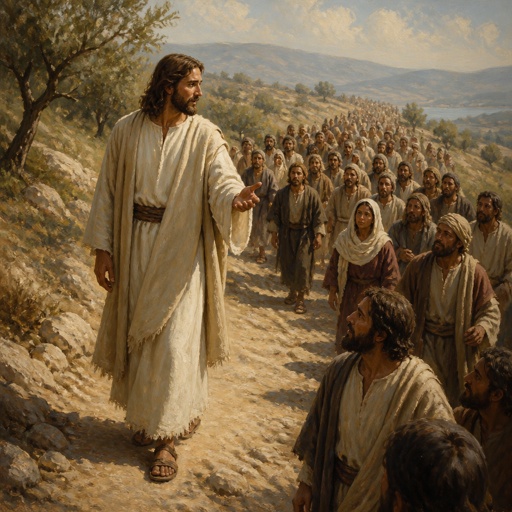
"¶ And there went great multitudes with him: and he turned, and said unto them," - Luke 14:25
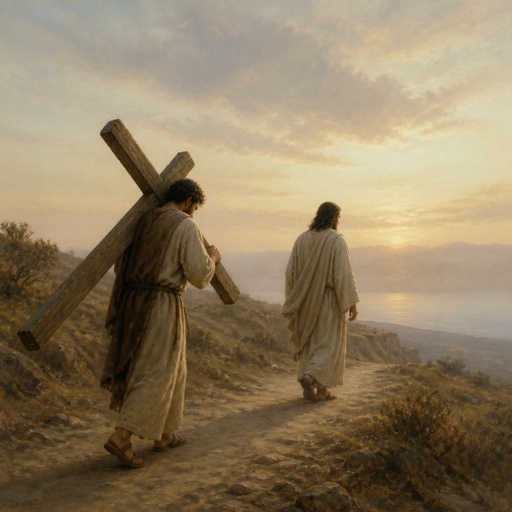
"And whosoever doth not bear his cross, and come after me, cannot be my disciple." - Luke 14:27

1 Corinthians 9:25-27

1 Corinthians 9:25-27

Genesis 25-27

1 Corinthians 9:25-27

1 Corinthians 9:25-27

luke 1:27

John 19:25-27

Matthew 25: 14-25

luke 6: 27

Luke 10:27

John 19:25-27

Luke 1:25

Luke 1:25

Luke 1:25

Luke 12:25

Luke 1:25

Luke 12:25

Luke 1:25

Luke 6: 27-38

Luke 6:27-38

Luke 13:28-27

Luke 13:28-27

Luke 13:28-27