The Cost of Discipleship: Embracing the Cross
“And whosoever doth not bear his cross, and come after me, cannot be my disciple.” — Luke 14:27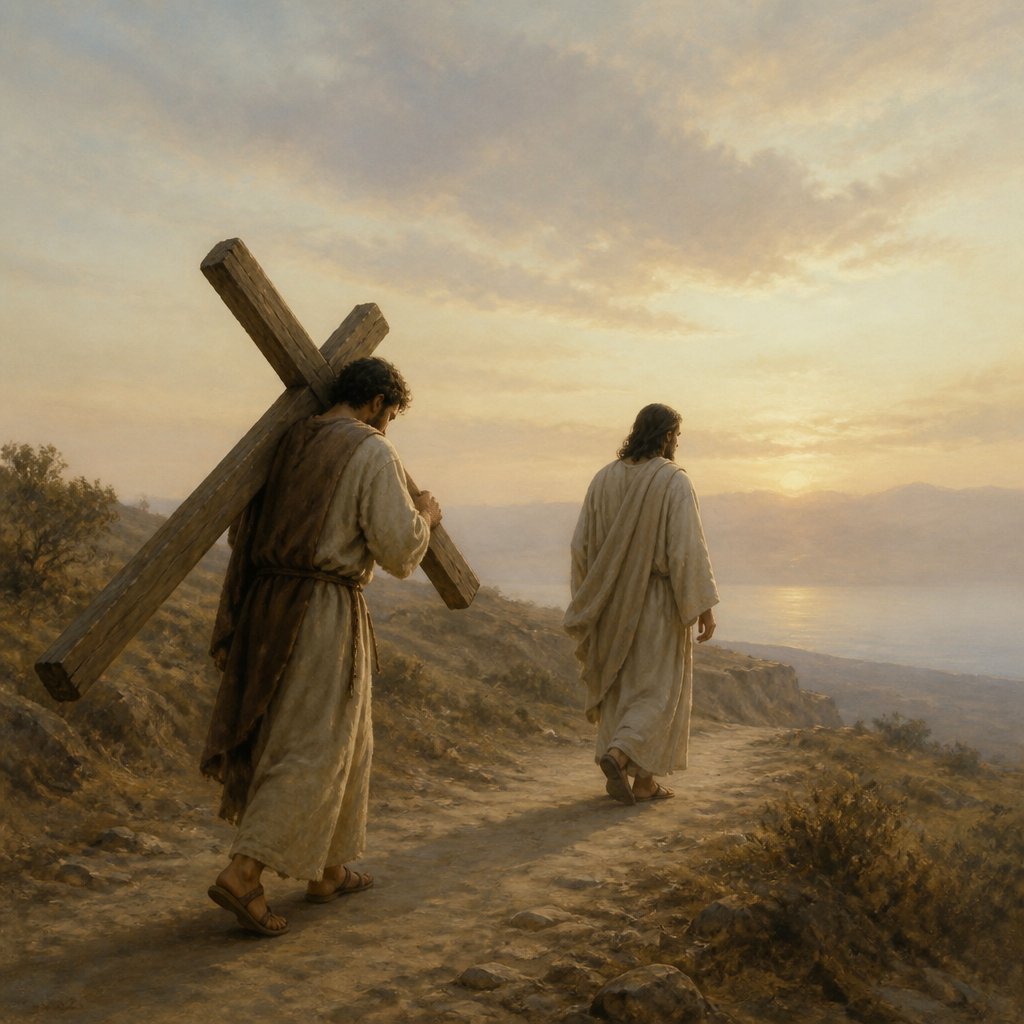
In Luke 14:27, Jesus makes a profound declaration that challenges the very essence of what it means to follow Him: "And whosoever doth not bear his cross, and come after me, cannot be my disciple." This verse, simple yet profound, lays before us a truth that echoes through the ages: the call to discipleship is not for the faint of heart.
As Jesus speaks these words, He is surrounded by a multitude eager to hear His teachings. However, He turns to the crowd not merely to inspire them but to elucidate the price of true discipleship. The imagery of bearing one’s cross would have resonated strongly with His audience, particularly in a culture where the cross was synonymous with suffering, shame, and public execution. To bear a cross was to embrace a path that led to self-denial and sacrifice.
In our modern context, the notion of bearing a cross may appear abstract or even trivialized. Yet, Jesus calls us to recognize the weight of His words. To follow Christ means to actively choose a lifestyle that reflects His values and purposes, often in contrast to societal norms. This means denying oneself, setting aside personal ambitions, and embarking on a journey that is at times fraught with challenges. It demands a decision to prioritize our relationship with Jesus above all else.
Each of us, in our walk of faith, will encounter various 'crosses'—personal sacrifices, struggles against sin, or even social ostracism as we strive to live as His disciples. The very nature of bearing one's cross is a testament to our commitment to Christ. It indicates that our allegiance is not to this world but to the One who calls us to a higher standard.
The call to "come after me" implies an active pursuit. It’s not enough to simply agree with Christ in theory; we must follow Him in practice. This involves imitating His love, grace, and humility in our interactions with others—be they friends, family, or even our enemies. Jesus exemplified this through His life, and His teaching commands us to act with integrity, compassion, and love.
Bearing our cross may also involve communal aspects of discipleship. We are not alone in this journey; we are part of a body that is called to encourage one another, bear each other’s burdens, and walk together through trials. The call to discipleship is lived out in community. Galatians 6:2 reminds us, "Bear ye one another's burdens, and so fulfill the law of Christ." In doing so, we not only share our struggles but also our victories, reflecting the glory of God in our lives.
Moreover, we must never forget that to bear our cross is not merely a task of obedience but also an act of love. Jesus bore the weight of the cross for us—He suffered, bled, and died so that we might have life eternal. In 1 John 4:19, we are reminded, "We love him, because he first loved us." Our willingness to bear our own cross stems from recognizing the immense love that Christ has shown towards us. It is our response of love—even in suffering—that signifies our commitment and loyalty as His disciples.
As we contemplate what it means to follow Christ, let us ask ourselves: What does my cross look like? Am I willing to embrace it? In what areas of my life is Christ calling for deeper surrender? Taking up our cross and following Jesus involves continuous self-reflection, repentance, and a desire to grow closer to Him.
In conclusion, may each day find us deliberately bearing our cross, seeking to follow Christ with unwavering hearts, knowing that it is only through such commitment that we can truly call ourselves His disciples. As we journey together, may our lives be a living testament to His grace, mercy, and the transformative power of the love that compelled Him to the cross.
Get our apps


Artwork for Luke 14:27

Luke 14:27 - "And whosoever doth not bear his cross, and come after me, cannot be my disciple."
"And whosoever doth not bear his cross, and come after me, cannot be my disciple." - Luke 14:27

luke 1:27

luke 6: 27

Luke 10:27

Luke 6: 27-38

Luke 6:27-38

Luke 13:28-27

Luke 13:28-27

Luke 13:28-27
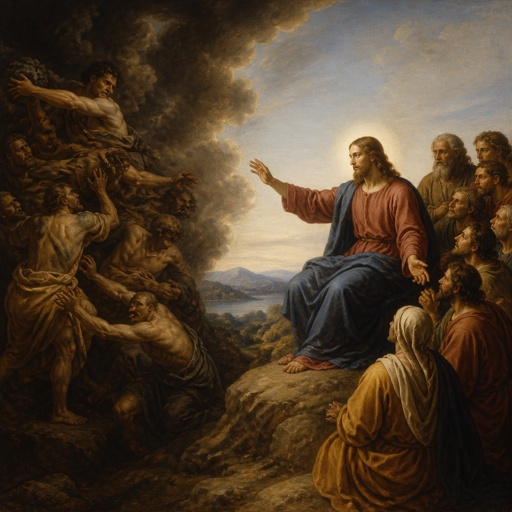
Mattere 14:27
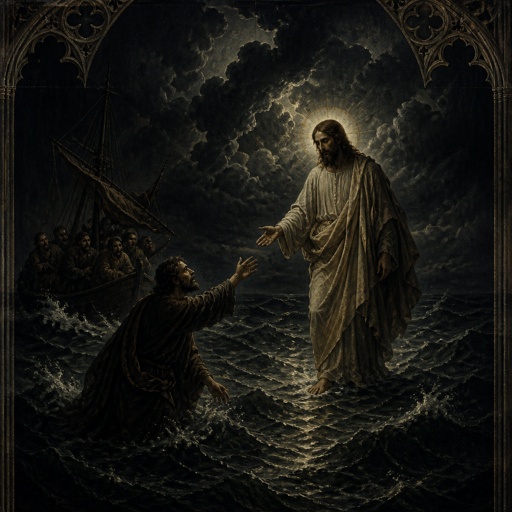
Matthew 14:27
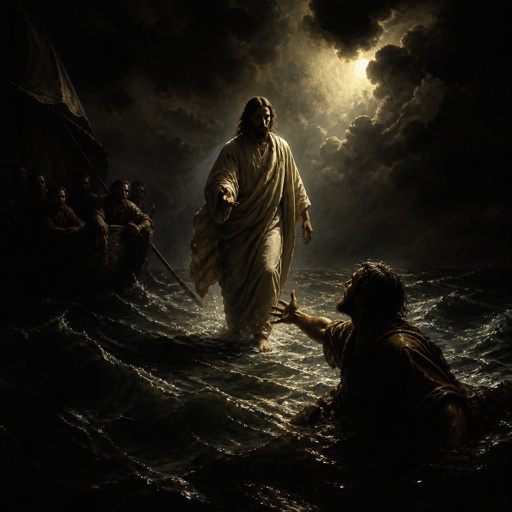
Matthew 14:27
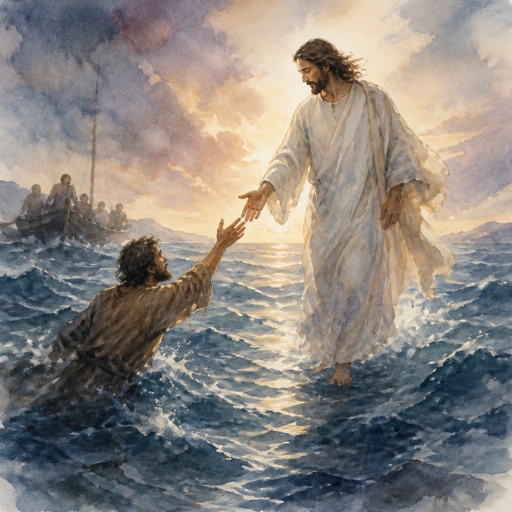
Matthew 14:27

Luke 14:25-27 - "Large crowds were traveling with Jesus, and turning to them he said: “If anyone comes to me and does not hate father and mother, wife and children, brothers and sisters—yes, even their own life—such a person cannot be my disciple. And whoever does not carry their cross and follow me cannot be my disciple."

1 Samuel 14:27

Luke 18:27 - "And he said, The things which are impossible with men are possible with God."
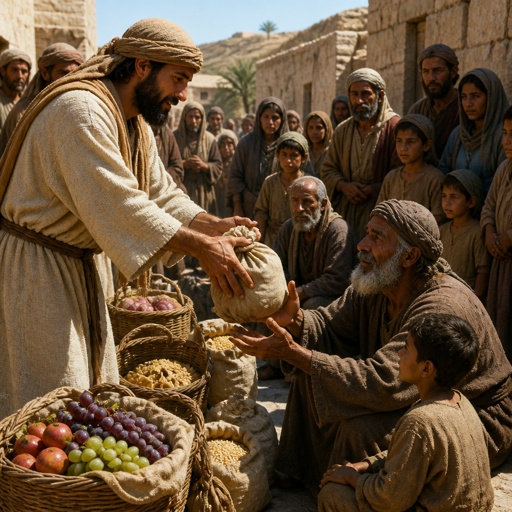
Deut 14:22-27

Psalm 27:13-14

Luke 21:27 - "And then shall they see the Son of man coming in a cloud with power and great glory."

Luke 20:27 - "¶ Then came to him certain of the Sadducees, which deny that there is any resurrection; and they asked him,"

Luke 20:27-38. All people of color.

Luke 14:14 - "And thou shalt be blessed; for they cannot recompense thee: for thou shalt be recompensed at the resurrection of the just."

Luke 23:27 - "¶ And there followed him a great company of people, and of women, which also bewailed and lamented him."

Luke 11:14-15

Luke 18:9-14

Luke 11:1-14

Luke 14:25 - 33

Luke 11:1-14

Luke 2:13-14