The Embrace of Grace: A Reflection on Luke 15:20-22
"So he got up and went to his father. But while he was still a long way off, his father saw him and was filled with compassion for him; he ran to his son, threw his arms around him and kissed him. The son said to him, 'Father, I have sinned against heaven and before thee, and am no more worthy to be called thy son.' But the father said to his servants, 'Bring forth the best robe, and put it on him; and put a ring on his hand, and shoes on his feet.'" - Luke 15:20-22
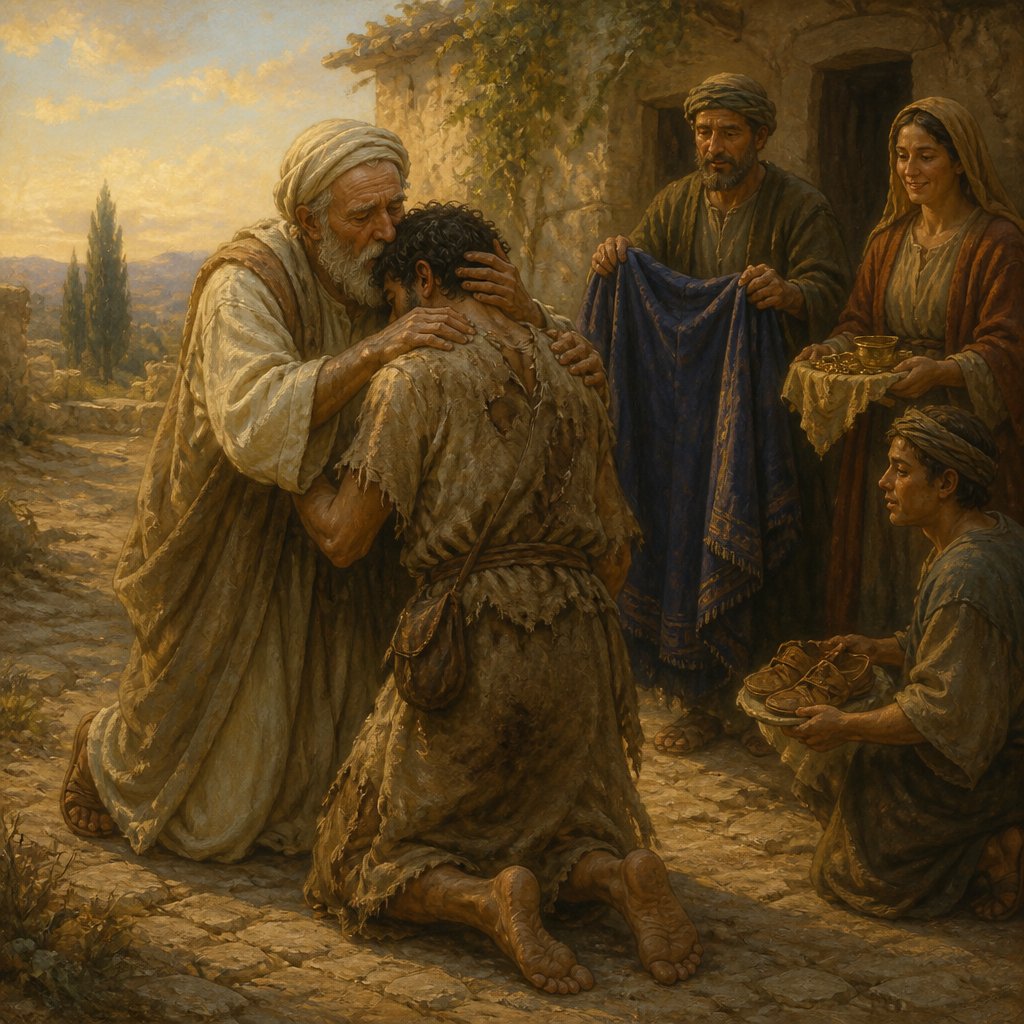
In the story of the prodigal son, as recounted in Luke 15:20-22, we encounter one of the most poignant portraits of grace and redemption found in Scripture. The text reads: "And he arose, and came to his father. But when he was yet a great way off, his father saw him, and had compassion, and ran, and fell on his neck, and kissed him. And the son said unto him, Father, I have sinned against heaven, and in thy sight, and am no more worthy to be called thy son. But the father said to his servants, Bring forth the best robe, and put it on him; and put a ring on his hand, and shoes on his feet" (KJV). These verses encapsulate a deep theological truth about God’s nature and His relationship with us.
As the young man sets out on his journey home, we see the inner turmoil and brokenness that led him to squander his inheritance. He had strayed far from his father, both physically and emotionally. Yet, this journey back was fueled by the pangs of regret and the hope of reconciliation. The father’s response when he spotted his son in the distance is a reflection of divine love that transcends human understanding.
The moment the father sees his son—though he is still a great way off—he is filled with compassion. This reaction is not merely a passing emotion; it demonstrates a profound understanding of love. The father did not wait for his son to come to him first, nor did he stand aloof judgingly, waiting to deliver punishment. Instead, he ran to him. This act of running in ancient Jewish culture was highly unorthodox, particularly for an elder. It contrasts with the societal expectations of dignity and decorum, illustrating that real love often breaks the molds of convention.
When the father embraces his son, it symbolizes the heart of God toward humanity. He does not reprimand or question his son's choices; rather, he welcomes him with open arms. This act represents forgiveness that is freely given, irrespective of the mistakes made. How often do we let our past mistakes define us? The young man feels unworthy, yet the father disregards his feelings of inadequacy and showers him with love and restoration.
In his acknowledgement of sin, the son expresses a genuine remorse, "Father, I have sinned against heaven, and in thy sight, and am no more worthy to be called thy son." He articulates a truth that many of us may struggle to embrace: the recognition of our shortcomings and the humble return to God. Yet, despite this admission, the father does not allow his son to remain in a state of shame. Instead, he immediately instructs his servants to bring forth the best robe, a ring, and shoes—symbols of identity, honor, and belonging.
This gesture of putting the best robe on him signifies restoration to a position of dignity and acceptance. The robe represents covering, reminiscent of Christ's righteousness covering our sins. The ring signifies authority and the standing of sonship, while the shoes represent readiness and belonging. One can almost hear the jubilant celebration that follows—a feast of rejoicing for the return of one who was lost.
As we reflect on these verses today, we are reminded of our own journeys of estrangement and the grace that awaits us in our return. No matter how far we stray, or how unworthy we may feel, God’s arms are wide open, ready to embrace us with love. We are invited to come home, just as we are, and to find mercy and acceptance in the heart of the Father. Let us shed the burdens of shame and guilt, and run towards the divine embrace of grace, where we can find true belonging and restoration.
Want to reflect more on Luke 15:20-22?
Continue your spiritual journey with Bible Chat — an AI-powered tool for exploring God's Word through conversation. Ask questions, discover connections, and deepen your understanding.
Get Our Apps


Luke 15:20-22 Artwork

Luke 15:20-22 - "So he got up and went to his father. But while he was still a long way off, his father saw him and was filled with compassion for him; he ran to his son, threw his arms around him and kissed him. The son said to him, 'Father, I have sinned against heaven and against you. I am no longer worthy to be called your son.' But the father said to his servants, 'Quick! Bring the best robe and put it on him. Put a ring on his finger and sandals on his feet."
"So he got up and went to his father. But while he was still a long way off, his father saw him and was filled with compassion for him; he ran to his son, threw his arms around him and kissed him. The son said to him, 'Father, I have sinned against heaven and against you. I am no longer worthy to be called your son.' But the father said to his servants, 'Quick! Bring the best robe and put it on him. Put a ring on his finger and sandals on his feet." - Luke 15:20-22

Luke 20:22 - "Is it lawful for us to give tribute unto Caesar, or no?"
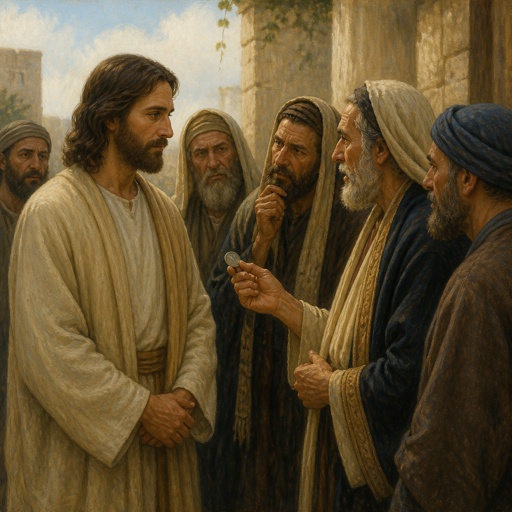
"Is it lawful for us to give tribute unto Caesar, or no?" - Luke 20:22

Luke 22:20 - "Likewise also the cup after supper, saying, This cup is the new testament in my blood, which is shed for you."

Luke 22:15 - "And he said unto them, With desire I have desired to eat this passover with you before I suffer:"

Luke 20:15 - "So they cast him out of the vineyard, and killed him. What therefore shall the lord of the vineyard do unto them?"

Luke 15:22 - "But the father said to his servants, Bring forth the best robe, and put it on him; and put a ring on his hand, and shoes on his feet:"

"And he arose, and came to his father. But when he was yet a great way off, his father saw him, and had compassion, and ran, and fell on his neck, and kissed him." - Luke 15:20

Luke 15:20 - "And he arose, and came to his father. But when he was yet a great way off, his father saw him, and had compassion, and ran, and fell on his neck, and kissed him."
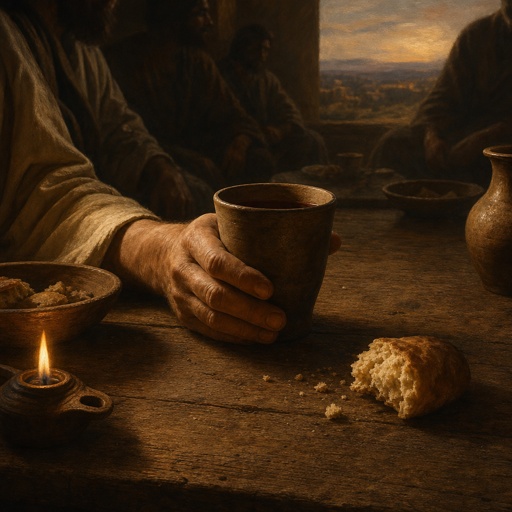
"Likewise also the cup after supper, saying, This cup is the new testament in my blood, which is shed for you." - Luke 22:20

Luke 13:20-21

Luke 13:20-21
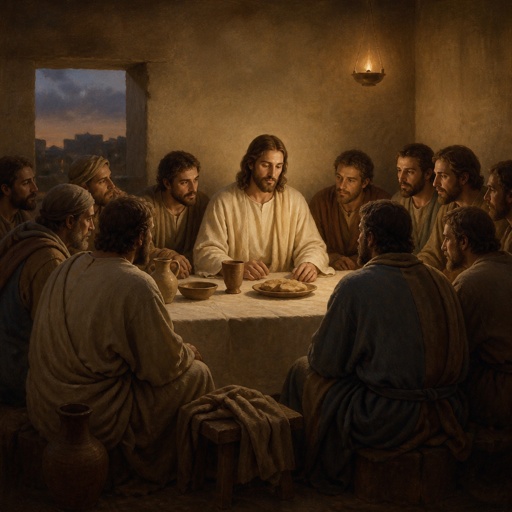
"And he said unto them, With desire I have desired to eat this passover with you before I suffer:" - Luke 22:15

Luke 13:20-21

Luke 13:20-21
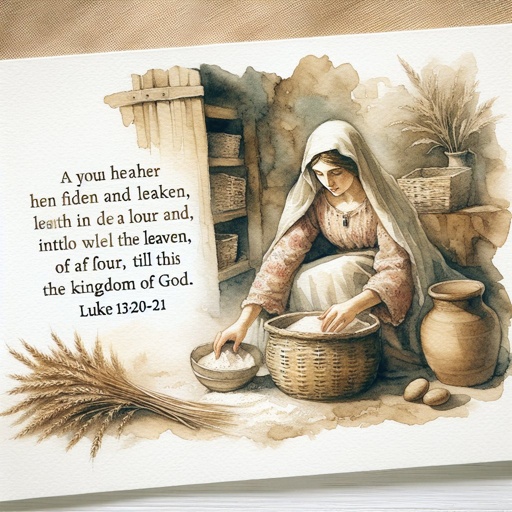
Luke 13:20-21
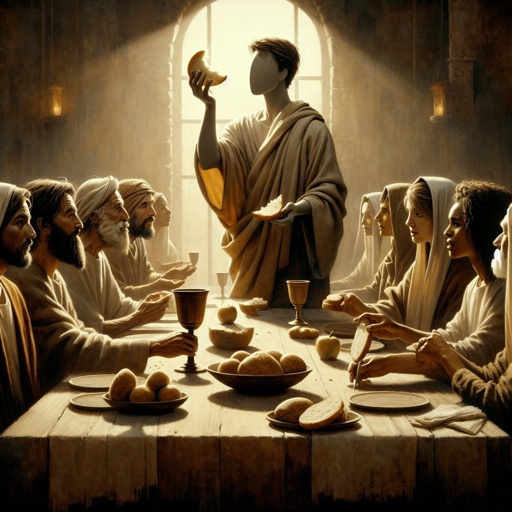
Luke 22:19-20 - "And he took bread, gave thanks and broke it, and gave it to them, saying, “This is my body given for you; do this in remembrance of me.” In the same way, after the supper he took the cup, saying, “This cup is the new covenant in my blood, which is poured out for you."

luke 22:42

Luke 22:39

Luke 22:61,62

Luke 22:39

luke 22 44
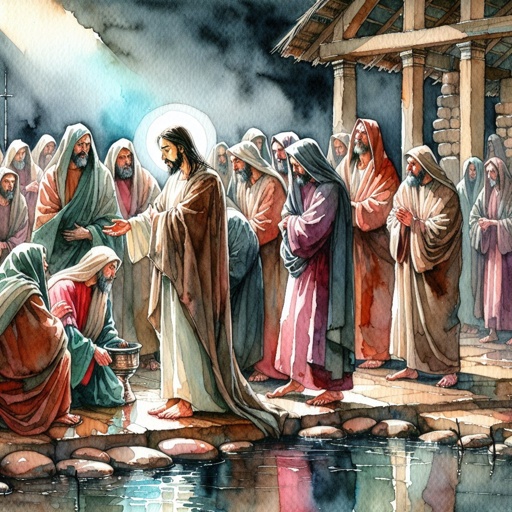
luke 22:42

Luke 22:42

Luke 20:28

1 Corinthians 15:20-22 - "But in fact Christ has been raised from the dead, the firstfruits of those who have fallen asleep. For as by a man came death, by a man has come also the resurrection of the dead. For as in Adam all die, so also in Christ shall all be made alive."
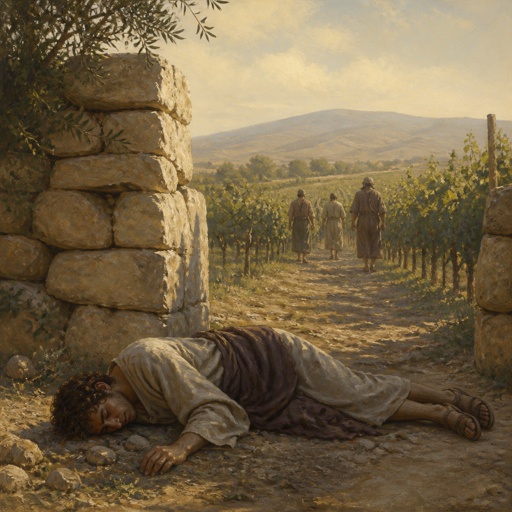
"So they cast him out of the vineyard, and killed him. What therefore shall the lord of the vineyard do unto them?" - Luke 20:15

Genesis 22-20

Luke 16:22-26