The Embrace of Grace: A Journey Home
"But the father said to his servants, Bring forth the best robe, and put it on him; and put a ring on his hand, and shoes on his feet:" - Luke 15:22
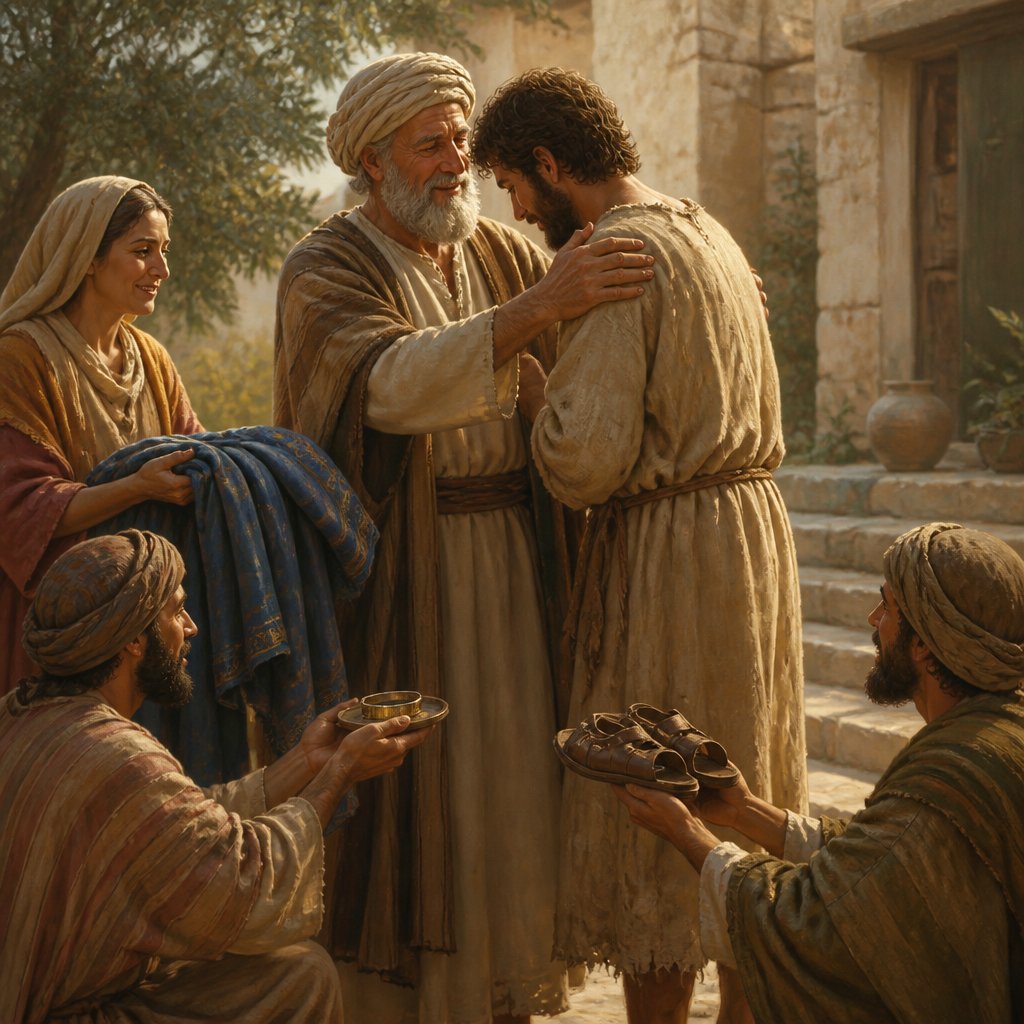
The parable of the Prodigal Son, found in Luke 15:11-32, illuminates the depth of God's love and grace through the story of a wayward son who squandered his inheritance but returned home in desperation and humility. In verse 22, we encounter a pivotal moment in this narrative, wherein the father, representing God, responds to his son’s return: "But the father said to his servants, Bring forth the best robe, and put it on him; and put a ring on his hand, and shoes on his feet." This verse encapsulates the essence of reconciliation, redemption, and the lavish grace that God extends to each of us.
To truly appreciate the significance of the father's command, we must understand the context in which these actions were taken. The Prodigal Son, having indulged in a life of debauchery and having lost everything, returned home broken and burdened by guilt and shame. He was prepared to plead for a servant's position, believing that he was unworthy to be called a son after his reckless living. Yet, when the father saw him from a distance, his heart filled with compassion. The father ran to him, embraced him, and initiated the restoration process before the son could utter a single word of apology.
The first element of the father’s response is the best robe. In biblical times, robes were symbols of honor and status. By covering his son with the best robe, the father signified that the son's identity as his child had not been forfeited by his mistakes. God extends this same grace to us; He does not see us as our past sins suggest but rather as His beloved children. No matter how far we stray or how deeply we fall, there is a robe of righteousness ready to envelop us when we turn back to Him. In Isaiah 61:10, we read, "I will greatly rejoice in the LORD, my soul shall be joyful in my God; for he hath clothed me with the garments of salvation, he hath covered me with the robe of righteousness..." This robe signifies our reinstated position in the family of God.
Next, the father calls for a ring to be placed on the son’s hand. In biblical customs, a ring was a symbol of authority and belonging, often used to seal important agreements. By placing a ring on his son’s hand, the father re-established his son’s position, not as a servant in the household but as a full heir. This act speaks volumes about God's commitment to restoring us fully, reinforcing the idea that we are not merely forgiven but also commissioned. Ephesians 2:8-10 reminds us that we are not saved by works, but we are His workmanship, called to good works that He has prepared for us.
Finally, the shoes the father instructed to be put on his son’s feet represented dignity and status as well. Feet adorned with shoes indicated that the son was not a servant but a son. This speaks of our full acceptance into the family of God, where we are equipped to walk in the freedom and purpose He has designed for us. Ephesians 6:15 calls us to have our feet shod with the preparation of the Gospel of peace, reminding us that we are to walk in the paths of righteousness and share His peace with the world.
In this beautiful act of restoration, we see a reflection of God's boundless grace and a powerful reminder that no matter how lost we become, He welcomes us back with open arms. Every time we come back to Him, He is there, ready to cover us with His grace, restore our inheritance, and set us on a path of purpose.
As we meditate on Luke 15:22, let us remind ourselves that our God is not just waiting for us to return; He is actively seeking us, ready to embrace us and celebrate our return with the fullness of His love. His grace is sufficient, His mercy is unfathomable, and His desire for us is to thrive in the identity He has graciously bestowed upon us. May we always remember that we are His beloved children, robed in righteousness, adorned with authority, and walking in the dignity of His peace.
Want to reflect more on Luke 15:22?
Continue your spiritual journey with Bible Chat — an AI-powered tool for exploring God's Word through conversation. Ask questions, discover connections, and deepen your understanding.
Get Our Apps


Luke 15:22 Artwork

Luke 15:22 - "But the father said to his servants, Bring forth the best robe, and put it on him; and put a ring on his hand, and shoes on his feet:"
"But the father said to his servants, Bring forth the best robe, and put it on him; and put a ring on his hand, and shoes on his feet:" - Luke 15:22

Luke 22:15 - "And he said unto them, With desire I have desired to eat this passover with you before I suffer:"
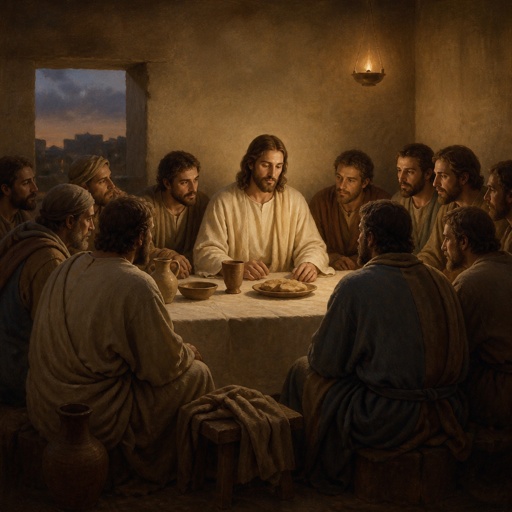
"And he said unto them, With desire I have desired to eat this passover with you before I suffer:" - Luke 22:15

luke 22:42

Luke 22:39

Luke 22:61,62

Luke 22:39

luke 22 44
luke 22:42

Luke 22:42

Luke 16:22-26
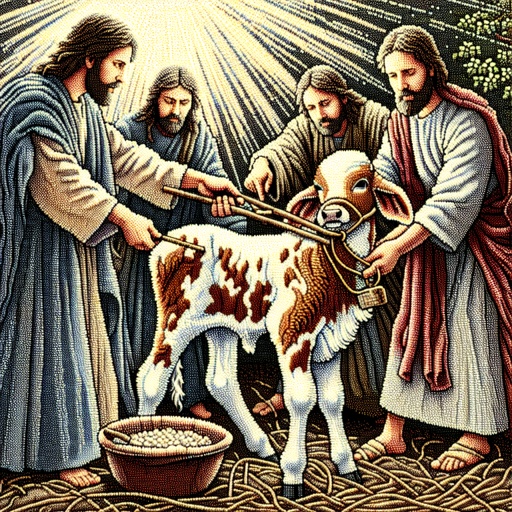
Luke 15:23

Luke 15:10

Luke 15:21

Luke 15:21

Genesis 22:15

Exodus 15:22

Luke 22:62 - "And Peter went out, and wept bitterly."

Luke 15: 4-7

Luke 11:14-15

Luke 21:15-19

Luke 20:22 - "Is it lawful for us to give tribute unto Caesar, or no?"

Luke 22:5 - "And they were glad, and covenanted to give him money."

Luke 15:11-32

Joshua 15:22 - "And Kinah, and Dimonah, and Adadah,"

Luke 22:28 - "Ye are they which have continued with me in my temptations."

Luke 22:63 - "¶ And the men that held Jesus mocked him, and smote him."

Luke 22:65 - "And many other things blasphemously spake they against him."

Luke 22:31-32 - "Luke 22:31-32: And the Lord said, Simon, Simon, behold, Satan hath desired to have you, that he may sift you as wheat: But I have prayed for thee, that thy faith fail not: and when thou art converted, strengthen thy brethren."