The Famine of the Soul: A Reflection on Luke 15:14
“And when he had spent all, there arose a mighty famine in that land; and he began to be in want.” — Luke 15:14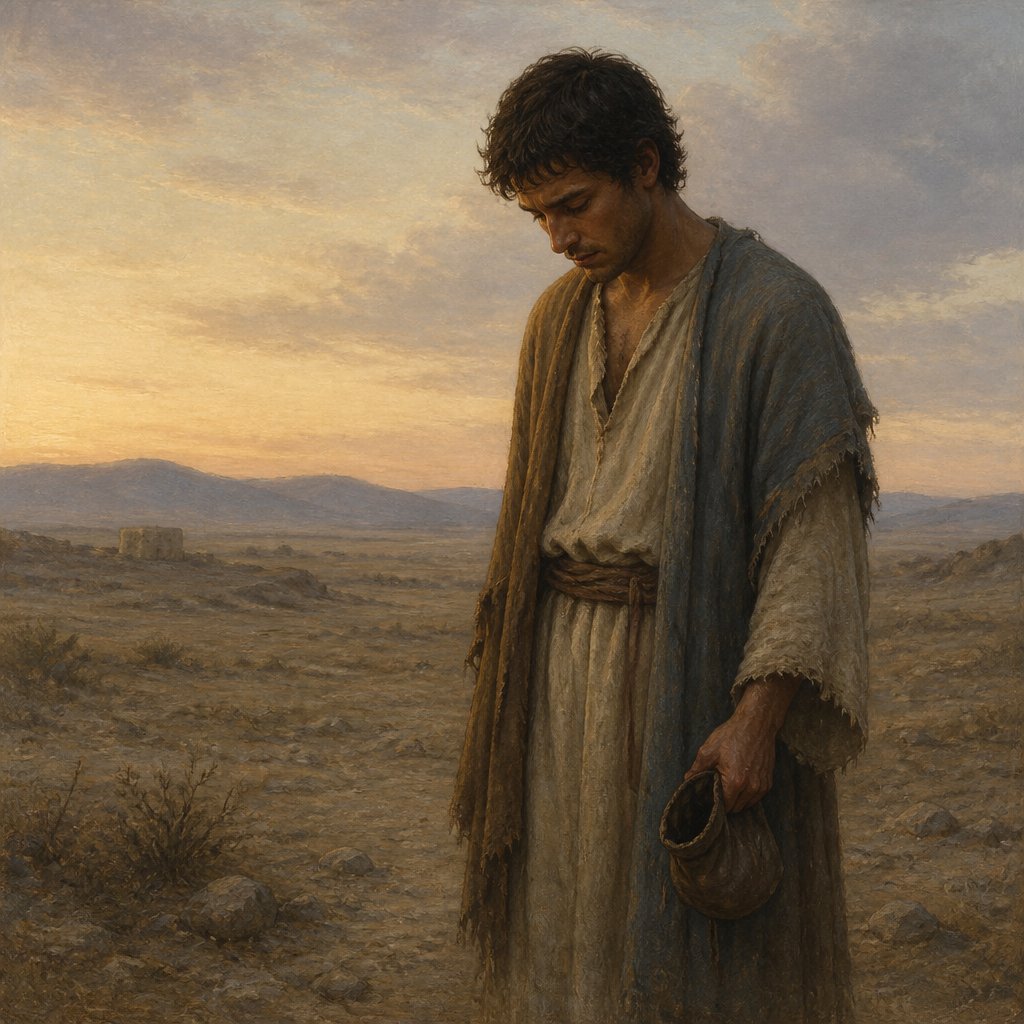
In Luke 15:14, the passage reveals a profound truth about the human condition: "And when he had spent all, there arose a mighty famine in that land; and he began to be in want." This verse occurs during the parable of the prodigal son, where a young man, eager to escape the constraints of his home, demands his inheritance and ventures into a distant land. Initially, he lives lavishly, indulging in pleasures; however, it is only a matter of time before he exhausts all his resources, leaving him not only financially bankrupt but spiritually impoverished.
This verse serves as a stark reminder of the consequences of rebellion and the empty pursuits of life. The phrase "when he had spent all" denotes a moment of tragic recklessness. The young man's decision to part ways with his family and squander his inheritance in a foreign land symbolizes the choices each of us make when we turn away from the Father. While the act of spending all might initially feel liberating, it ultimately leads to a desolate existence—the "mighty famine" alluded to in the text.
Consider how easily we get caught up in the pursuits of this world, focusing not on eternal treasures but on transient joy. Just like the prodigal son, we often chase after worldly pleasures, believing that they will satisfy the longing of our souls. Yet, when the dust settles, and we find ourselves enveloped by famine—be it spiritual, emotional, or relational—we recognize the hollowness of our pursuits. The mighty famine that arose represents not just a lack of physical provisions but a profound emptiness that follows our attempts to fill our lives with anything but God.
The reality is that when we choose to distance ourselves from God's presence, we open ourselves to the whims of life’s circumstances. Famine translates to a lack, a time when nothing seems to flourish. It is during such seasons that we must grapple with the existential truth of our spiritual hunger. Often, it is in this place of want that God beckons us back to the realization that our true sustenance is in Him.
Reflect on the idea of "spending all" in our own lives. What have we invested our time, energy, and resources into? Are we focused on pursuits that will only lead us to want? It is easy to find ourselves on a similar path, overspending our emotional and spiritual capital on fleeting pleasures or toxic relationships. Most importantly, we must ask ourselves if we find ourselves in a spiritual famine today—if we feel empty despite our efforts.
In this same chapter of Luke, we also see the unfolding grace of the father who awaits his son’s return. God operates in love and forgiveness, allowing us to come back to the feast that awaits when we realize our emptiness. The young man’s journey is an invitation for introspection; a call to turn back to our Heavenly Father, who provides abundance in times of need.
This verse encapsulates the cycle of human existence—spending, famine, realization, and return. It teaches us that no matter how far we have wandered, there is always a path back to the Father. There are consequences to our choices, and despair may come after reckless abandon, but the grace of God abounds even in our darkest moments. Just as the prodigal eventually realized he could return home and be restored, we, too, can find hope in our moments of failure and want.
As we meditate on Luke 15:14, let us reflect on our own journeys and consider where we may have "spent all" in ways that lead to regret. May we recognize the call to return, to seek fulfillment not in the distant lands of fleeting pleasures, but in the loving arms of our Father, where true abundance resides.
Get our apps


Artwork for Luke 15:14

Luke 15:14 - "And when he had spent all, there arose a mighty famine in that land; and he began to be in want."
"And when he had spent all, there arose a mighty famine in that land; and he began to be in want." - Luke 15:14

Luke 11:14-15
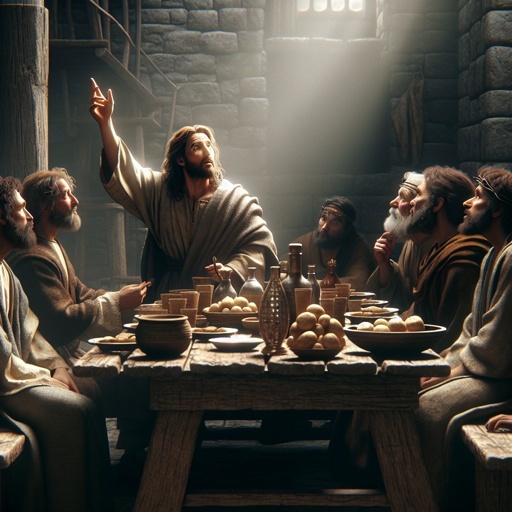
Luke 14:15 - "¶ And when one of them that sat at meat with him heard these things, he said unto him, Blessed is he that shall eat bread in the kingdom of God."

Luke 21:14-15 - "But make up your mind not to worry beforehand how you will defend yourselves. For I will give you words and wisdom that none of your adversaries will be able to resist or contradict."
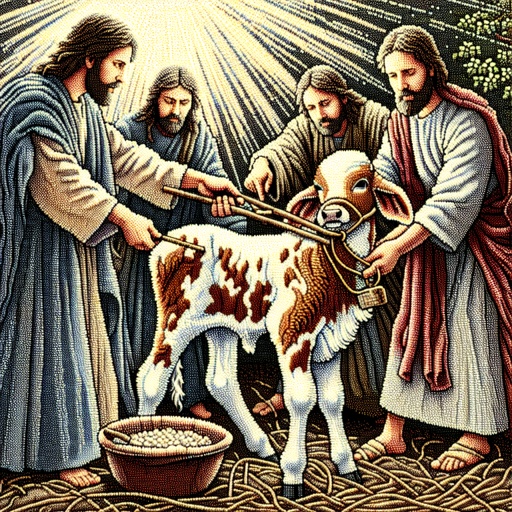
Luke 15:23

Luke 15:10

Luke 15:21

Luke 15:21

Luke 15: 4-7

Luke 21:15-19

Luke 15:11-32

Luke 14:14 - "And thou shalt be blessed; for they cannot recompense thee: for thou shalt be recompensed at the resurrection of the just."

Luke 18:9-14

Luke 11:1-14

Luke 14:25 - 33

Luke 11:1-14

Luke 2:13-14

Luke 18: 9-14

Luke 2:13-14

Luke 15:15 - "And he went and joined himself to a citizen of that country; and he sent him into his fields to feed swine."

Luke 14:6 - "And they could not answer him again to these things."

Genesis 15:14

Luke 4:15 - "And he taught in their synagogues, being glorified of all."

Luke 15:3 - "¶ And he spake this parable unto them, saying,"

Colossians 4:14 - "Luke, the beloved physician, and Demas, greet you."

Luke 14:30 - "Saying, This man began to build, and was not able to finish."

Luke 15:11 - "¶ And he said, A certain man had two sons:"

Luke 9:15 - "And they did so, and made them all sit down."
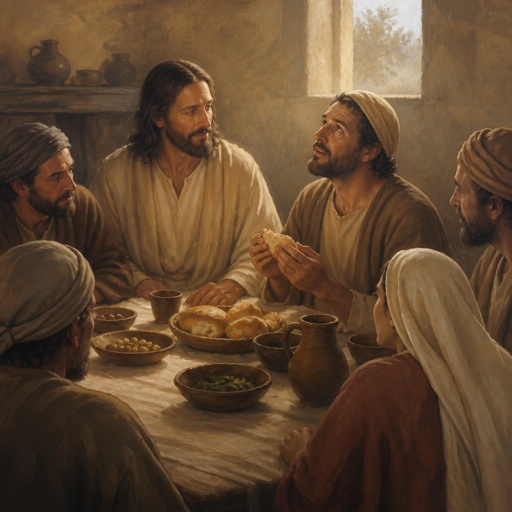
"¶ And when one of them that sat at meat with him heard these things, he said unto him, Blessed is he that shall eat bread in the kingdom of God." - Luke 14:15