The Humble Return: Finding Grace in Brokenness
"And am no more worthy to be called thy son: make me as one of thy hired servants." - Luke 15:19
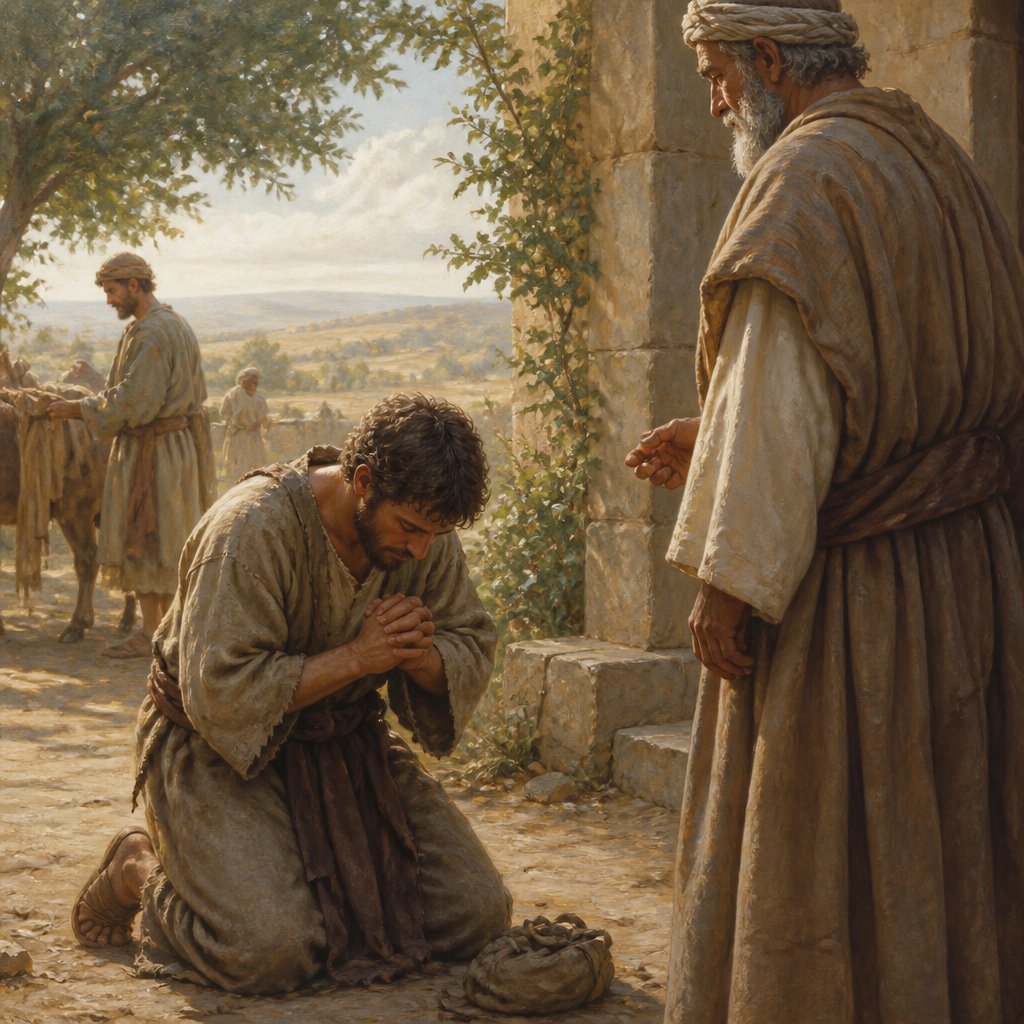
In Luke 15:19, we find the poignant cry of a wayward son: "And am no more worthy to be called thy son: make me as one of thy hired servants." This verse resonates deeply within the human experience of shame, regret, and the longing for redemption. It encapsulates the profound journey of a soul once coveted, now humbled, seeking not the full restoration of familial honor but rather a place of work among those who are at least assured of a roof over their heads.
This narrative is part of the well-known parable of the Prodigal Son, one of Jesus’ most cherished teachings, illustrating the boundless grace and mercy of God. At its core, this story unfolds as a lesson on reconciliation, love, and redemption—a timeless reminder that no one is beyond the reach of divine compassion.
The journey of the prodigal son begins with a bold request—a desire for independence and a claim to his inheritance while still under his father’s care. This act signifies not only a breach of respect and honor but a complete dismissal of the relationship nurtured over the years. Similar to our lives, there are times when we seek to distance ourselves from God, chasing after fleeting pleasures that ultimately lead to spiritual desolation. The son's descent into ruin—finding himself feeding pigs—symbolizes our own low points when away from the love of the Father.
As the son reaches that moment of reckoning, he realizes the depth of his folly. "And am no more worthy to be called thy son..." This acknowledges the sin of pride and the necessity of humility. In our own lives, we often find ourselves lost in the wilderness of our choices, surrounded by the husks of failed ambitions and bitter truths. It is in these moments that we must bravely face our shortcomings and recognize our need for redemption.
Despite the son’s dire circumstances, he remembers the abundance of his father’s house—an analogy for the overflowing grace found in God’s kingdom. His recognition that even the hired servants are treated better sparks the courage to return. Here lies a critical aspect of repentance—the awareness that beggar or son, the path to the Father is always open to those willing to return.
When the prodigal son sets off for home, he embodies the spirit of repentance, laden with guilt but driven by hope. His plea—"make me as one of thy hired servants"—is profound. It reflects not just a desire to return but an understanding of his unworthiness. How often do we approach God bearing the weight of our sins, convinced that He could never accept us back in our original place? However, the truth lies in the nature of God’s love—it knows no bounds. The son, as he approaches his father, finds not a distant or angry figure but a father who has eagerly awaited his return, ready to embrace him with arms wide open.
The essence of this parable lies not only in the actions of the son but in the even more powerful response of the father. Upon seeing his son from afar, the father runs to meet him, symbolizing God’s proactive love—ready to forgive long before we utter our confessions. In his eagerness to restore, the father declares a feast in honor of the return—his son who was lost has now been found, reinforcing the truth that our worthiness is not gained through our actions but bestowed through grace.
In life, as we sometimes stray and embrace our rebellions, let us remember that the way back is marked by humility and reliance on God’s compassionate nature. We are invited to shed our shame and step into the warm embrace of forgiveness. We are sons and daughters of the Most High, forever valued in His sight.
In conclusion, let us not shy away from returning to God, even when we feel unworthy. Instead, may we approach Him with the understanding that He is waiting to welcome us home, ready to reinstate us not as servants, but as beloved children once more.
Want to reflect more on Luke 15:19?
Continue your spiritual journey with Bible Chat — an AI-powered tool for exploring God's Word through conversation. Ask questions, discover connections, and deepen your understanding.
Get Our Apps


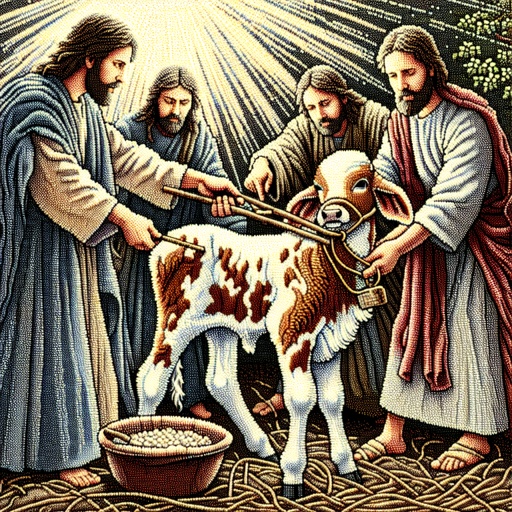
Luke 15:19 Artwork

Luke 15:19 - "And am no more worthy to be called thy son: make me as one of thy hired servants."
"And am no more worthy to be called thy son: make me as one of thy hired servants." - Luke 15:19

Luke 21:15-19
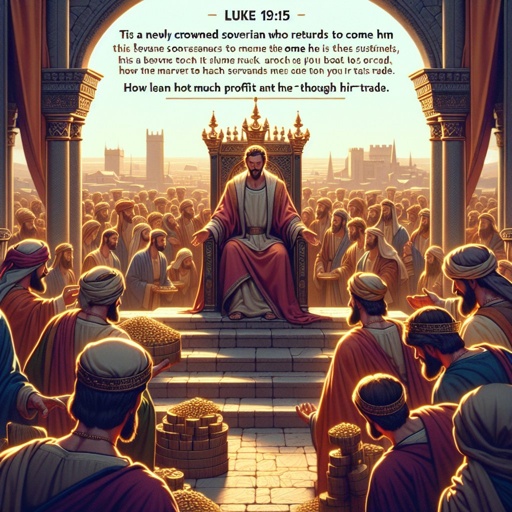
Luke 19:15 - "And it came to pass, that when he was returned, having received the kingdom, then he commanded these servants to be called unto him, to whom he had given the money, that he might know how much every man had gained by trading."

Luke 10:18-19

Luke 13:18-19

Luke 10:18-19

Luke 10:18-19

Luke 13:18-19

Luke 10:17-19

Luke 10:18-19

Luke 10:18-19

Luke 10:18-19

Luke 10:17-19

Luke 19:23

Luke 1:19

Luke 19:23

Luke 19:19 - "And he said likewise to him, Be thou also over five cities."

Luke 19:10
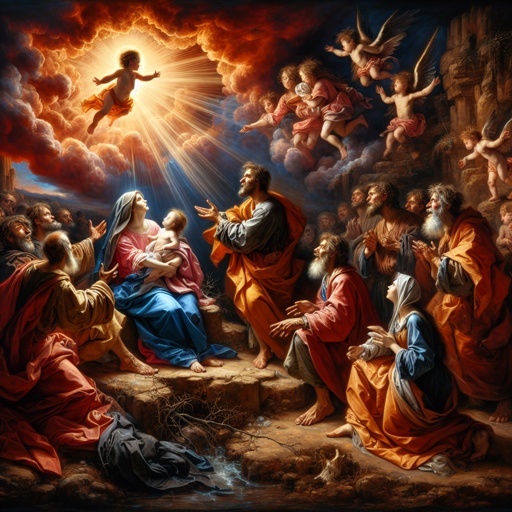
Luke 1:19

Luke 19:28

Luke 1:19
Luke 15:23

Luke 15:10

luke 21:5-19

Luke 19:1-10

Luke 15:21

Luke 15:21

Luke 10:18-19

Luke 19:1-10