The Perils of Covetousness: A Reflection on Luke 16:14
“And the Pharisees also, who were covetous, heard all these things: and they derided him.” — Luke 16:14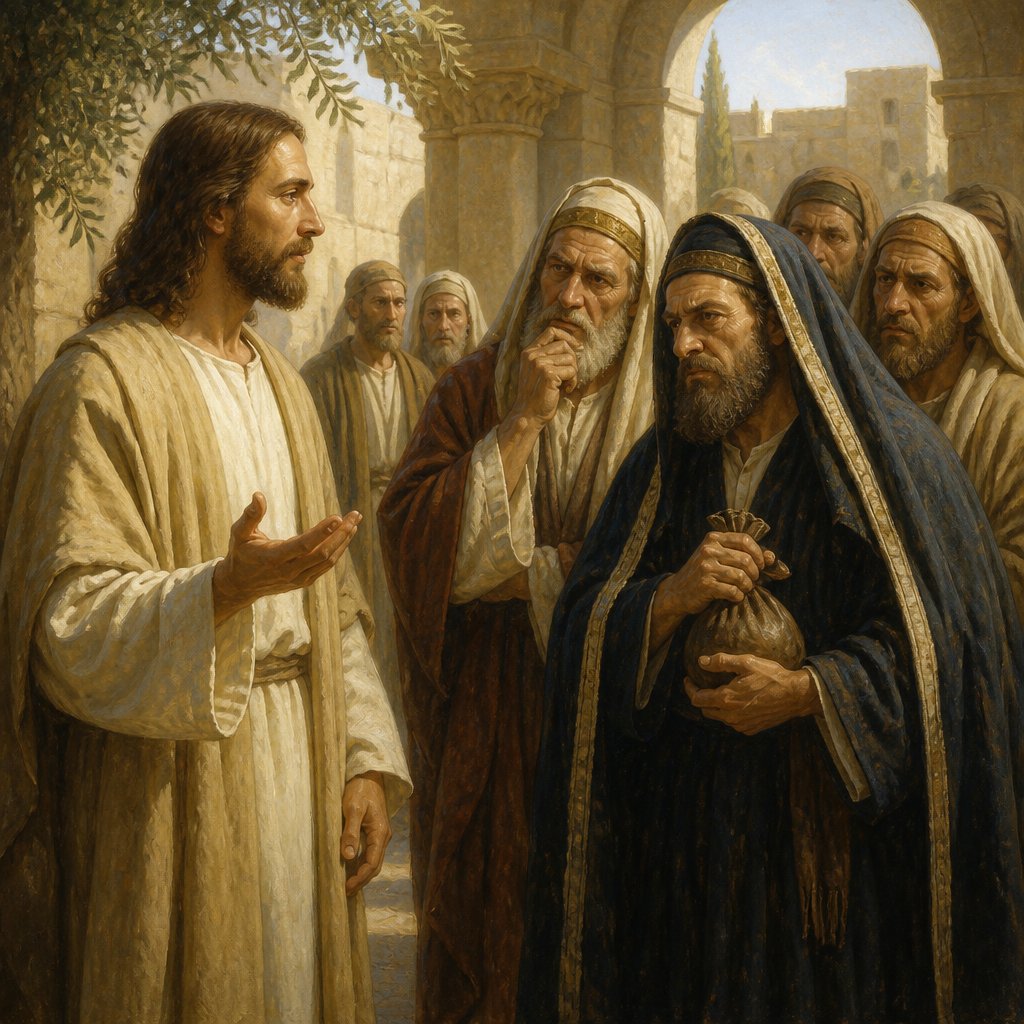
In the Gospel of Luke, chapter 16, verse 14, we find a profound encounter between Jesus and a group of Pharisees, a religious authority in first-century Judea. The verse states, "And the Pharisees also, who were covetous, heard all these things: and they derided him." This moment encapsulates a wealth of insights that resonate through the ages, highlighting the dangers of covetousness, the disposition of the heart, and our response to truth.
Covetousness, as displayed by the Pharisees, is a relentless desire for more—more wealth, more status, more recognition. The Pharisees were not simply seeking material gain; they were also deeply invested in their positions, wielding authority and respect while upholding the law. But their desire reached beyond the confines of their religious practices, delving into a yearning for earthly power and influence. This insatiable craving blinded them from recognizing the divine truth standing before them.
To covet is to allow one's focus to drift from what God has already graciously provided and to fixate instead on what belongs to others. In this capacity, covetousness becomes a breeding ground for discontent, envy, and resentment. The Pharisees, despite their religious knowledge, became irritated by Jesus' teachings, which often challenged their understanding of righteousness and exposed their innermost motivations. Their derision of Him was a defensive mechanism bred out of fear—fear that their “control” over the people might slip away in the face of Christ's undeniable authority.
A pivotal aspect of this verse is the response of the Pharisees to Jesus’ teachings. Instead of reflecting on their actions and attitudes, they chose to deride Him. Derision serves as an emotional shield, a way to dismiss uncomfortable truths without having to engage with them critically. Among the Pharisees, this derision revealed a heart hardened by pride. Instead of allowing the light of Christ’s truth to shine on their covetousness, they retreated into mockery, effectively closing the door to enlightenment.
This dynamic poses a poignant question for us today: how do we respond to the truths presented to us about our own desires and motivations? When our sinfulness is exposed, do we react with a spirit of humility, or do we mock and scoff? The invitation to transformation requires us to acknowledge our weaknesses genuinely. By hanging on to our self-righteousness—similar to the Pharisees—we risk losing the opportunity for profound spiritual growth.
In a world riddled with consumerism and incessant comparison, we must guard our hearts against the seductive pull of covetousness. It is easy to slip into the mindset that defines our lives by what we lack rather than by what we have received from the hand of God. Instead, let us remember the apostle Paul's exhortation in Galatians 5:26: "Let us not be desirous of vain glory, provoking one another, envying one another." He reminds us that true contentment stems from the Spirit that empowers us to focus on love and gratitude towards God and one another.
Moreover, the response of the Pharisees serves as a warning not to underestimate the power of impoverished spirits. They exemplified the dangers of being religiously observant yet spiritually bankrupt. True discipleship transcends mere knowledge or outward appearances. We are called to renew our minds and transform our hearts, aligning our desires with the Kingdom of God. This process requires introspection and the bravery to confront areas within us that harbor envy or dissatisfaction.
In conclusion, let Luke 16:14 resonate in our hearts as a clarion call to examine our own lives. As we navigate these complex temptations of covetousness, let us draw near to God in prayer and repentance, asking Him to align our desires with His purposes. May we choose humility over pride, dialogue over derision, and gratitude over greed, ultimately leading us to a fuller understanding of His love and providence.
Get our apps


Artwork for Luke 16:14

Luke 16:14 - "And the Pharisees also, who were covetous, heard all these things: and they derided him."
"And the Pharisees also, who were covetous, heard all these things: and they derided him." - Luke 16:14

Luke 14:16 - "Then said he unto him, A certain man made a great supper, and bade many:"

Luke 14:16 Then He said to him, “A certain man gave a great supper and invited many,
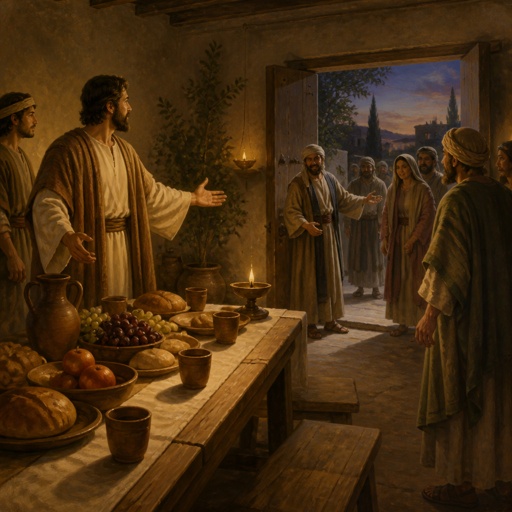
"Then said he unto him, A certain man made a great supper, and bade many:" - Luke 14:16

Luke 8:16

luke 4:16

Luke 16:1-13

Luke 16:1-1313

Luke 16:22-26

Luke 16:1-13

Luke 16:1-13

Luke 2:16 - 21

Luke 14:14 - "And thou shalt be blessed; for they cannot recompense thee: for thou shalt be recompensed at the resurrection of the just."

Luke 11:14-15

Luke 18:9-14

Luke 11:1-14

Luke 14:25 - 33

Luke 11:1-14

Luke 2:13-14

Luke 18: 9-14

Luke 2:13-14

Luke 16:16 - "The law and the prophets were until John: since that time the kingdom of God is preached, and every man presseth into it."

Luke 5:16 - "¶ And he withdrew himself into the wilderness, and prayed."

Genesis 16:14

John 14:16

Luke 14:6 - "And they could not answer him again to these things."

Luke 24:16 - "But their eyes were holden that they should not know him."

Luke 23:16 - "I will therefore chastise him, and release him."

Colossians 4:14 - "Luke, the beloved physician, and Demas, greet you."