The Cry for Mercy: A Journey of Faith
“And as he entered into a certain village, there met him ten men that were lepers, which stood afar off: And they lifted up their voices, and said, Jesus, Master, have mercy on us. And when he saw them, he said unto them, Go shew yourselves unto the priests. And it came to pass, that, as they went, they were cleansed.” — Luke 17:12-14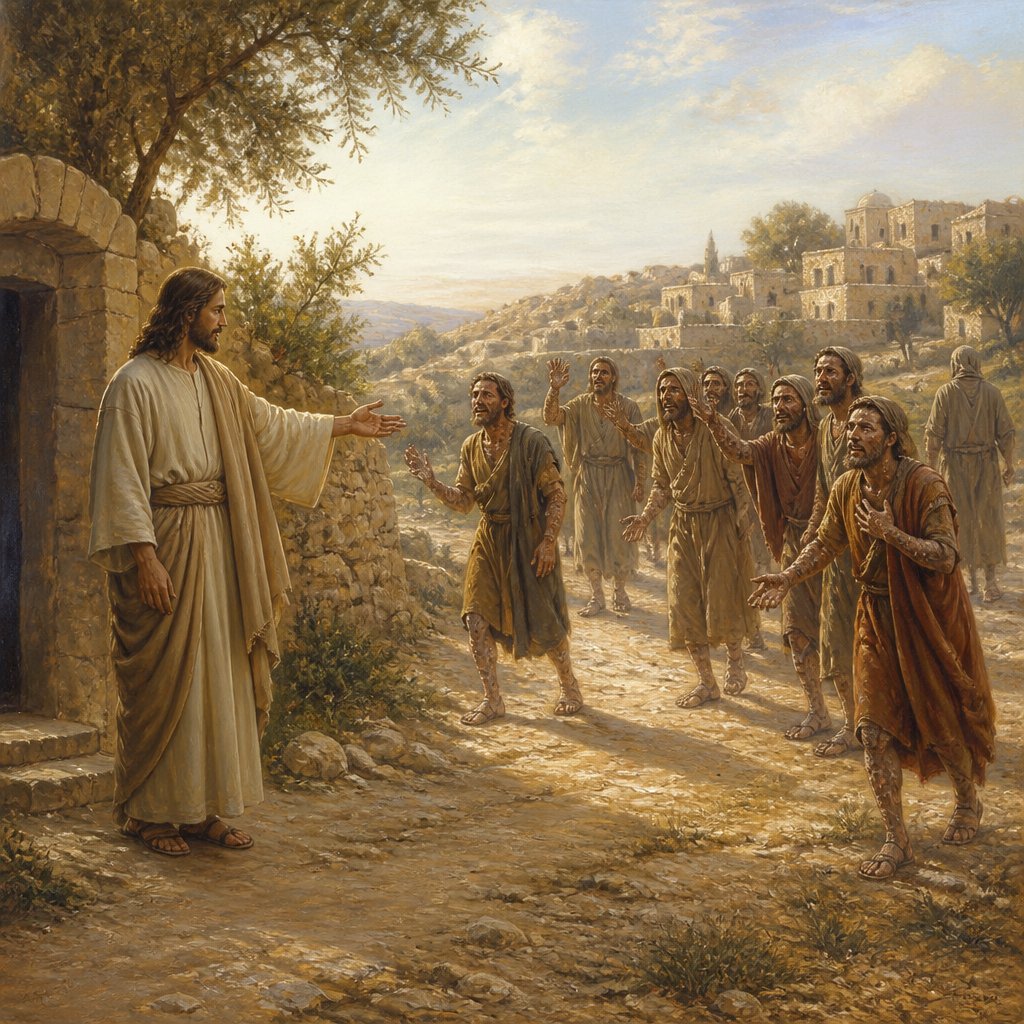
In Luke 17:12-14 (KJV), we encounter a poignant scene that speaks volumes about faith, healing, and the transformative power of obeying Jesus. The passage reads, "When he was entered into a certain village, there met him ten men that were lepers, which stood afar off: And they lifted up their voices, and said, Jesus, Master, have mercy on us. And when he saw them, he said unto them, Go shew yourselves unto the priests. And it came to pass, that, as they went, they were cleansed."
This story opens with ten men, afflicted by leprosy, standing at a distance from Jesus. Leprosy in biblical times signified not only a physical ailment but also a social stigma; lepers were often ostracized, forced to live outside of normal society, and deemed unclean (Leviticus 13:45-46). In a world that often reacts to physical imperfections with disdain or avoidance, these ten men stood afar off, literally and metaphorically. Their physical distance represents a broader reality of separation brought about by sin and suffering.
Yet, in their desperation, they do not remain silent. They lift up their voices in unison, proclaiming, "Jesus, Master, have mercy on us." This collective cry is powerful. It reveals not just a plea for healing but a profound understanding of the authority and compassion of Jesus. They recognize Jesus not only as a healer but also as a Master, someone who has the power to change their dire situation. Their plea echoes the desire within all of humanity— a cry for mercy in the face of suffering and need.
Jesus responds to their earnest request. Rather than rushing to heal them immediately, He instructs them to "Go shew yourselves unto the priests." This command is deeply significant. According to the Mosaic Law, priests were the ones to declare a person clean and allow them to reintegrate into society (Leviticus 14:2-4). By sending them to the priests before healing them, Jesus invites them to act in faith. It is a test of their trust in Him. The lepers had to step forward without visible evidence of healing, showcasing faith in action.
As they obeyed, "it came to pass, that, as they went, they were cleansed." The beauty of this moment is that healing came as they stepped in faith, highlighting a pivotal truth: obedience to God often precedes the manifestation of His promises. Healing, in this instance, was not immediate but was contingent upon their willingness to trust and obey. This idea of moving towards healing while still in the state of affliction speaks to the Christian walk. Many of us find ourselves in situations that seem unchangeable or hopeless. We pray, seeking a change, yet God often calls us not just to sit and wait but to act in faith, trusting Him even when our circumstances do not reflect the healing we long for.
Furthermore, this passage encourages us to reflect on our cries for mercy. How often do we call upon Jesus in our times of need? How do we respond to His call - do we take steps toward obedience? Do we trust Him enough to act despite our circumstances?
Additionally, let us not forget the communal aspect of this narrative—the lepers did not cry for mercy alone; they raised their voices as a group. This illustrates the importance of community in our faith journey. There are times when our own voices may falter, but together, we can lift our cries to Jesus, supporting one another in faith and prayer.
As we ponder this scripture, let us remember that mercy is available to all who seek it. Jesus is ever-responsive to our pleas. As we move forward in faith, believing in His words and promises, we too can experience cleansing and renewal, both physically and spiritually. May we be inspired to cry out for mercy, united in faith, and obedient in our steps as we seek healing and restoration in Him.
Get our apps


Artwork for Luke 17:12-14

Luke 17:12-14 - "As he was going into a village, ten men who had leprosy met him. They stood at a distance and called out in a loud voice, "Jesus, Master, have pity on us!" When he saw them, he said, "Go, show yourselves to the priests." And as they went, they were cleansed."
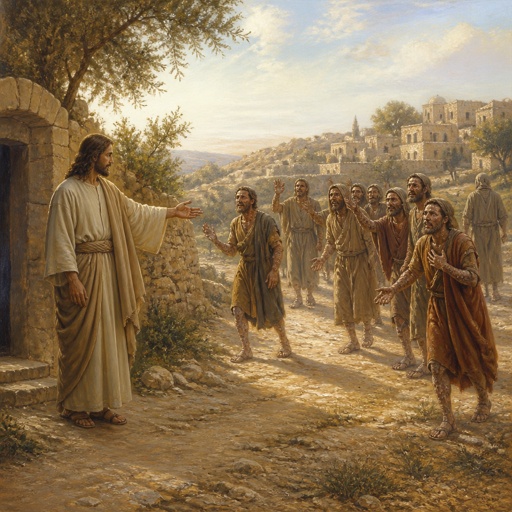
"As he was going into a village, ten men who had leprosy met him. They stood at a distance and called out in a loud voice, "Jesus, Master, have pity on us!" When he saw them, he said, "Go, show yourselves to the priests." And as they went, they were cleansed." - Luke 17:12-14

Luke 12:14 - "And he said unto him, Man, who made me a judge or a divider over you?"

Luke 14:17 - "And sent his servant at supper time to say to them that were bidden, Come; for all things are now ready."
Luke 17:12 - "And as he entered into a certain village, there met him ten men that were lepers, which stood afar off:"

Luke 12:17 - "And he thought within himself, saying, What shall I do, because I have no room where to bestow my fruits?"

Luke 17:14 - "And when he saw them, he said unto them, Go shew yourselves unto the priests. And it came to pass, that, as they went, they were cleansed."
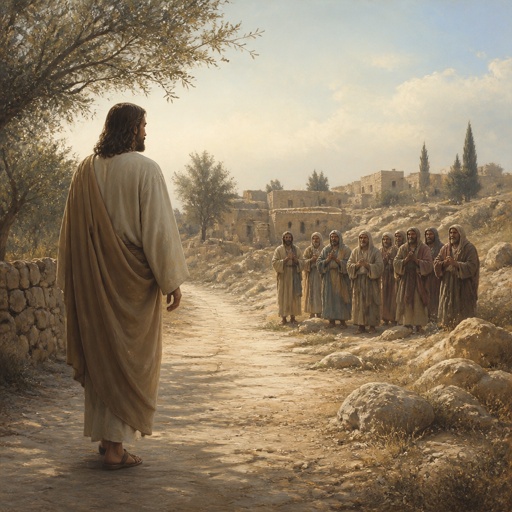
"And as he entered into a certain village, there met him ten men that were lepers, which stood afar off:" - Luke 17:12
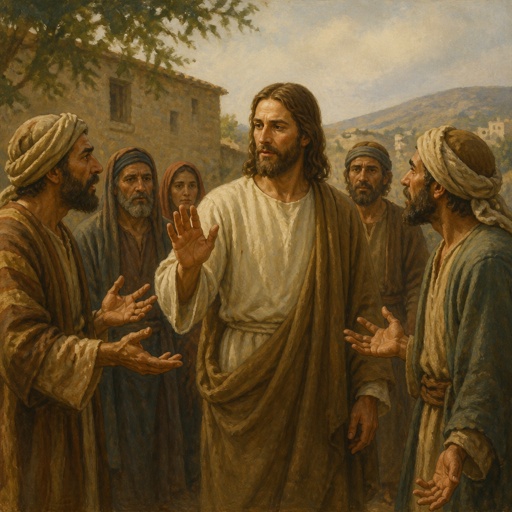
"And he said unto him, Man, who made me a judge or a divider over you?" - Luke 12:14

Luke 10:17-19

Luke 10:17-19

Luke 17:17 - "And Jesus answering said, Were there not ten cleansed? but where are the nine?"
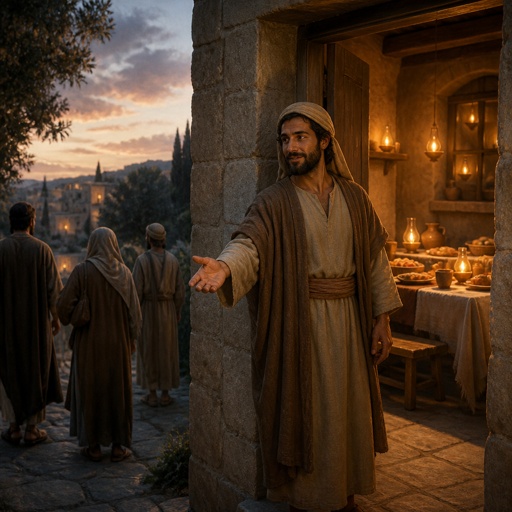
"And sent his servant at supper time to say to them that were bidden, Come; for all things are now ready." - Luke 14:17

Luke 17:10

Luke 8:17

luke 24:17

Luke 17:32-37

Luke 17:32 - "Remember Lot's wife."

Luke 14:12 - "¶ Then said he also to him that bade him, When thou makest a dinner or a supper, call not thy friends, nor thy brethren, neither thy kinsmen, nor thy rich neighbours; lest they also bid thee again, and a recompence be made thee."

Luke 5:17-26

Luke 12:25

Luke 12:25

Luke 12: 49

Luke 12:34

Luke 12:10

Luke 12:50

Luke 14:14 - "And thou shalt be blessed; for they cannot recompense thee: for thou shalt be recompensed at the resurrection of the just."

Revelation 17:14

Revelation 17:14

Acts 14:17