The Unseen Kingdom: Recognizing God's Presence Within
"¶ And when he was demanded of the Pharisees, when the kingdom of God should come, he answered them and said, The kingdom of God cometh not with observation:" - Luke 17:20
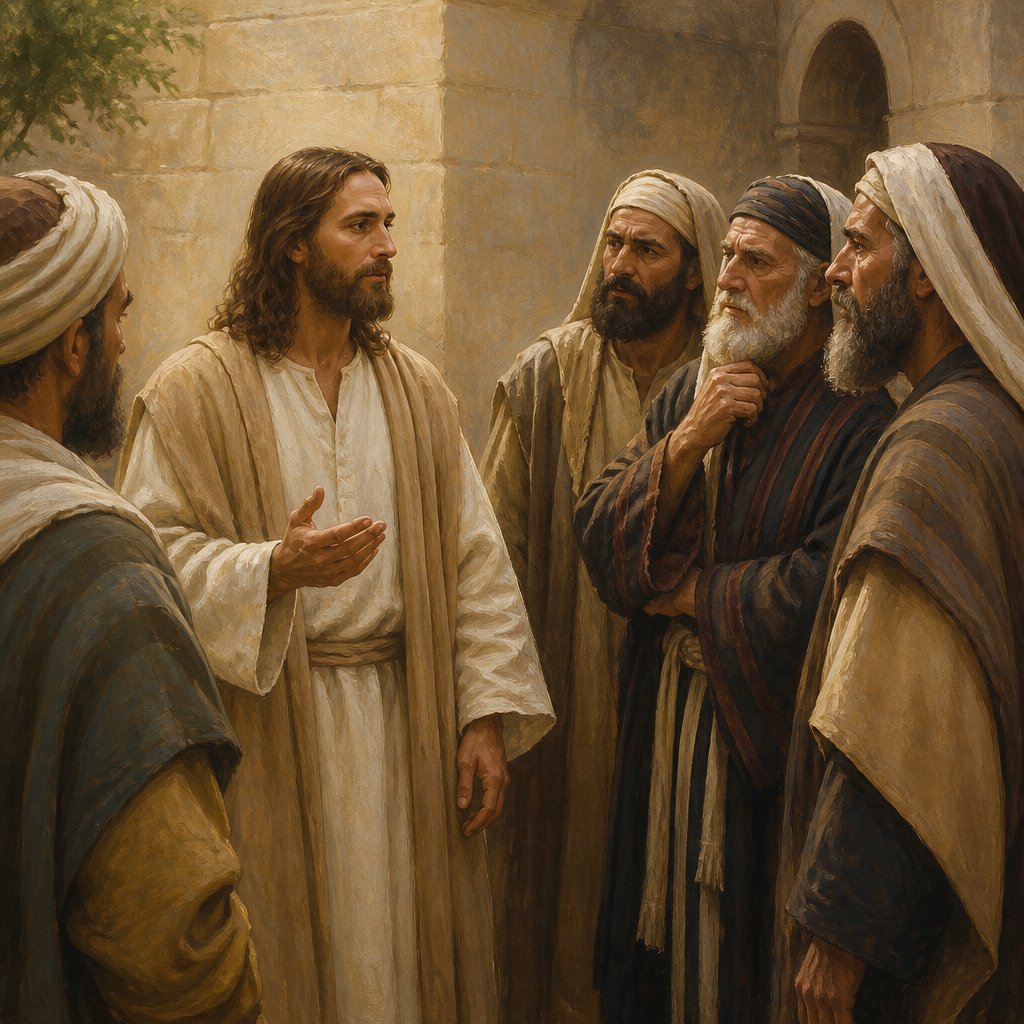
In the quiet of the first-century streets of Judea, a profound exchange unfolded between the Lord Jesus and the Pharisees, who were well-versed in the religious and societal currents of their time. The Pharisees, known for their meticulous adherence to the law, came to Jesus with questions regarding the arrival of the Kingdom of God. This inquiry was not simply about prophecy; it stemmed from a deep-seated desire to understand God’s plan and timing. When approached, Jesus responded with clarity and depth: "The kingdom of God cometh not with observation" (Luke 17:20, KJV).
This statement reveals critical insights into the nature of God’s Kingdom and calls into question the expectations and methods we employ in observing divine realities. What are the implications of this statement? Why would the coming of God’s Kingdom be characterized as something that is not visible through mere observation?
Firstly, when Jesus said that the kingdom of God does not come with observation, He challenged the perception that God's reign could be measured or validated by external signs or spectacles. The Pharisees likely expected a powerful, visible transformation that would overthrow their oppressors and restore Israel's glory, just as the prophets had foretold. Instead, Jesus was indicating that the Kingdom is not a political entity or a geographic location to be pointed at or worn like a badge of honor. God’s Kingdom is fundamentally spiritual and transcends earthly understanding.
Secondly, the profound nature of God’s Kingdom lies in its internal manifestation within the hearts of believers. In the subsequent verse, Jesus explains to His listeners, "Neither shall they say, Lo here! or, lo there! for, behold, the kingdom of God is within you" (Luke 17:21, KJV). This revelation radically shifts the focus from anticipating something external to a deeper grasp of God’s work in our lives. The Kingdom of God is active and alive in the life of a believer, transforming mindsets, shaping character, and instilling a sense of purpose that reflects God's true nature—a nature rooted in love, mercy, and justice.
The essence of the Kingdom is closely tied to the presence of God Himself. Just as Christ described, the Kingdom emerges in our interactions, the choices we make, and the fruit of the Spirit that manifests in our lives. Recognizing the Kingdom of God means discerning how God moves within our own hearts, traits, and communities rather than looking for flashy signs and wonders. It requires spiritual eyesight to see God's fingerprints in our daily lives, recognizing how He transforms mundane moments into profound encounters with His grace.
Moreover, this teaching encourages us to seek not the benefits or external markers of God’s Kingdom but rather intimacy with Him. It shifts us from a transactional view of faith to a relational understanding. When we grasp that the Kingdom of God abides within us, we begin to see our purpose differently—we are His vessels, filled with His Spirit to extend His Kingdom here on earth. We become conduits of love, peace, and hope, impacting those around us through our actions that reflect Jesus.
As we meditate on Luke 17:20 and engage in self-reflection, it beckons us to assess our expectations and perceptions of God’s Kingdom in our lives. Are we too focused on visible results, waiting for external validations of our faith? Or are we attuned to the quiet, transformative work of God within, allowing His Kingdom to shape our hearts and expression of faith? Let us embrace the unseen, and through prayer and reflection, cultivate a deeper awareness of the Kingdom’s work within us.
In conclusion, let us heed Jesus’ call to recognize the richness of His Kingdom that lies within. It is a call to nurture our spiritual eyes, align our expectations with God’s purposes, and fervently seek the intimacy that comes with His presence. May we carry the awareness of the Kingdom with us, reflecting the light of Christ to a world yearning for hope and truth.
Want to reflect more on Luke 17:20?
Continue your spiritual journey with Bible Chat — an AI-powered tool for exploring God's Word through conversation. Ask questions, discover connections, and deepen your understanding.
Get Our Apps


Luke 17:20 Artwork

Luke 17:20 - "¶ And when he was demanded of the Pharisees, when the kingdom of God should come, he answered them and said, The kingdom of God cometh not with observation:"
"¶ And when he was demanded of the Pharisees, when the kingdom of God should come, he answered them and said, The kingdom of God cometh not with observation:" - Luke 17:20

Luke 20:17 - "And he beheld them, and said, What is this then that is written, The stone which the builders rejected, the same is become the head of the corner?"
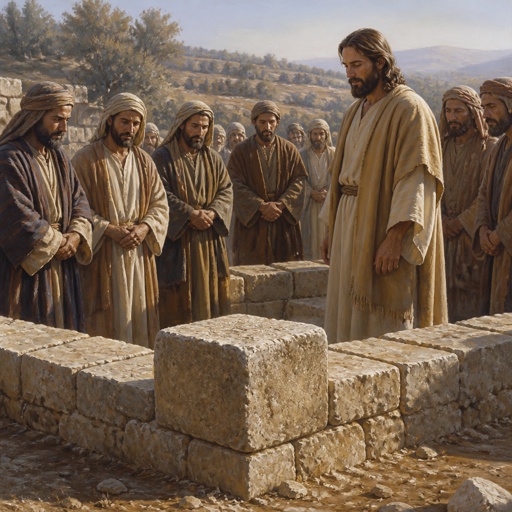
"And he beheld them, and said, What is this then that is written, The stone which the builders rejected, the same is become the head of the corner?" - Luke 20:17

Luke 13:20-21

Luke 13:20-21

Luke 13:20-21

Luke 13:20-21
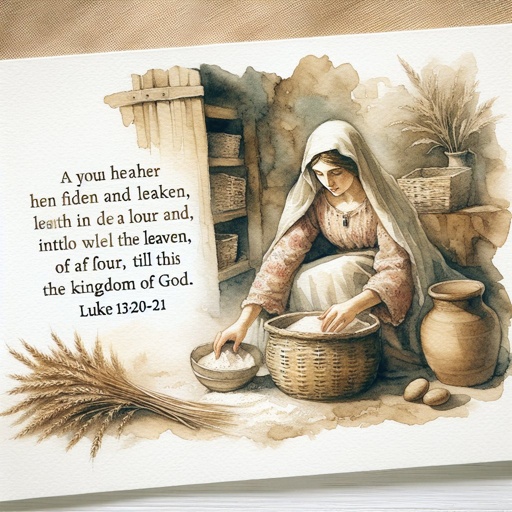
Luke 13:20-21

Luke 10:17-19

Luke 10:17-19

Luke 20:28

Luke 17:17 - "And Jesus answering said, Were there not ten cleansed? but where are the nine?"

Luke 8:17

Luke 17:10

luke 24:17

Genesis 20-17

Matthew 17:20

Luke 2:1-20

Luke 17:32-37

Matthew 17:20

Genesis 17-20

Luke 20:7 - "And they answered, that they could not tell whence it was."

Luke 17:32 - "Remember Lot's wife."

Luke 5:17-26

Luke 20:4 - "The baptism of John, was it from heaven, or of men?"

Luke 20:32 - "Last of all the woman died also."

Luke 20:22 - "Is it lawful for us to give tribute unto Caesar, or no?"
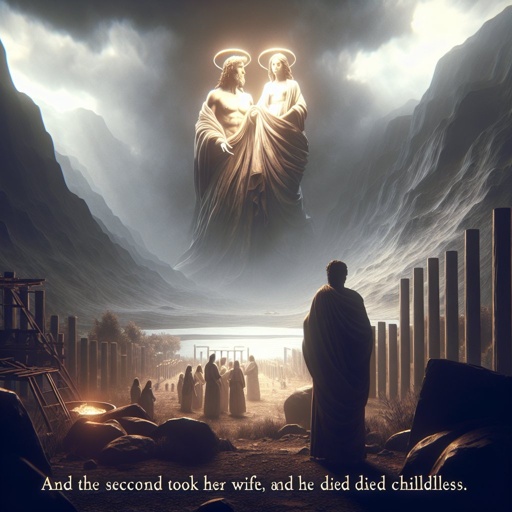
Luke 20:30 - "And the second took her to wife, and he died childless."

Luke 17:5 - "And the apostles said unto the Lord, Increase our faith."