The Weight of Wealth: A Reflection on Luke 18:23
“And when he heard this, he was very sorrowful: for he was very rich.” — Luke 18:23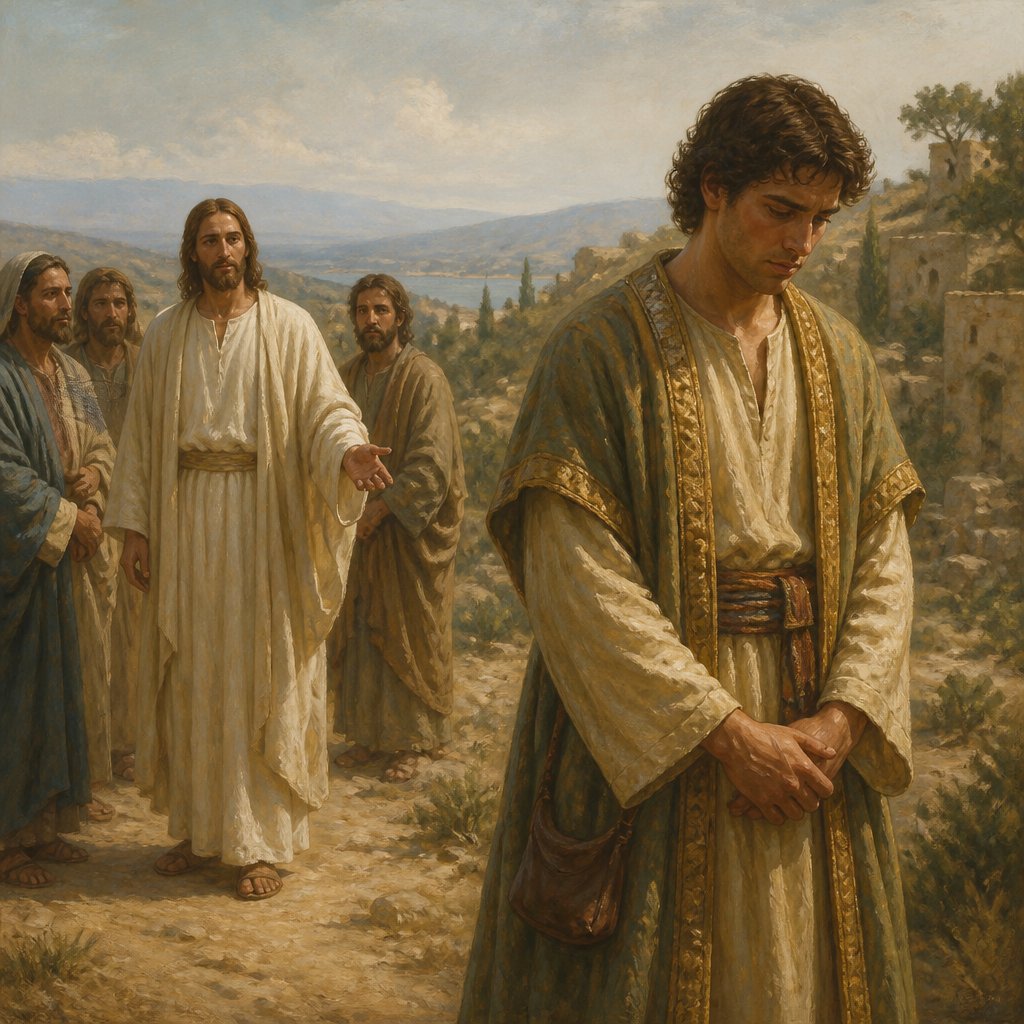
The story told in Luke 18:23 resonates deeply with the human experience of wealth, materialism, and what it truly means to follow Christ. The King James Version (KJV) states, "And when he heard this, he was very sorrowful: for he was very rich." We encounter a rich young ruler whose face-to-face conversation with Jesus reveals profound truths about wealth and discipleship.
In this passage, we see a young man who seemed to have everything: wealth, position, and likely, a measure of respect within his community. He approached Jesus with a genuine question about how to inherit eternal life, motivated by a deep desire to grasp the spiritual truths that eluded him. Yet, upon hearing the call to surrender his riches and follow Christ, he experienced a heavy heart. The weight of his wealth became a burden too great to bear when compared to the promise of eternal life.
This moment illustrates a common paradox—how earthly possessions can become chains that bind us rather than gifts that set us free. The young ruler's sorrow was not merely about parting with his wealth; it was a clash between two competing desires: the desire to cling to his possessions and the desire to secure eternal life. Thus, his sadness serves as a mirror reflecting our own struggles with the comforts and securities that wealth can provide.
In our contemporary context, wealth often equates to security, status, and success. We are bombarded with messages that equate material gain with happiness. However, Jesus continually challenges these notions. His invitation to the young ruler addresses the heart of the issue: it’s not about the amount of wealth one accumulates, but how one responds to this wealth in light of his calling. Jesus' challenge to the ruler wasn't simply to give away his possessions but to re-align his priorities.
Jesus calls us to consider: Are we holding onto our riches too tightly? Are we investing our time, energy, and resources in earthly treasures rather than eternal ones? Matthew 6:19-21 warns us against laying up treasures on earth, where moth and rust corrupt, and where thieves break through and steal, but instead, Jesus implores us to lay up treasures in heaven.
The sorrow of the young ruler should resonate within us as a catalyst for introspection. What are the things we are clinging to that could be hindering our walk with Christ? The problem is not wealth itself; it is the condition of our hearts toward wealth. Are we seeking to use our resources to advance God’s kingdom, or are we hoarding them out of fear and insecurity?
As we meditate on Luke 18:23, let us also take comfort in the workings of God’s grace. While the young ruler left sorrowful, we are reminded that God extends mercy and transformation to all. His grace is sufficient for the rich as well as the poor. If we find ourselves in similar shoes, wrestling with our attachments, we can surrender our desires to the One who understands our struggles and desires to free us through His love.
Therefore, let us not allow the sorrow of the rich young ruler to be our end of the story. May it be a beginning—a starting point for reassessing our priorities and the stewardship of our resources. Let us humbly approach Christ and ask, "Lord, what would you have me do with all that you have entrusted to me?" In doing so, we invite Him to reshape our hearts, re-align our paths, and transform our sorrow into joy, leading us to a fuller, more adventurous life of discipleship.
Get our apps


Artwork for Luke 18:23

Luke 18:23 - "And when he heard this, he was very sorrowful: for he was very rich."
"And when he heard this, he was very sorrowful: for he was very rich." - Luke 18:23

Luke 23:18 - "And they cried out all at once, saying, Away with this man, and release unto us Barabbas:"
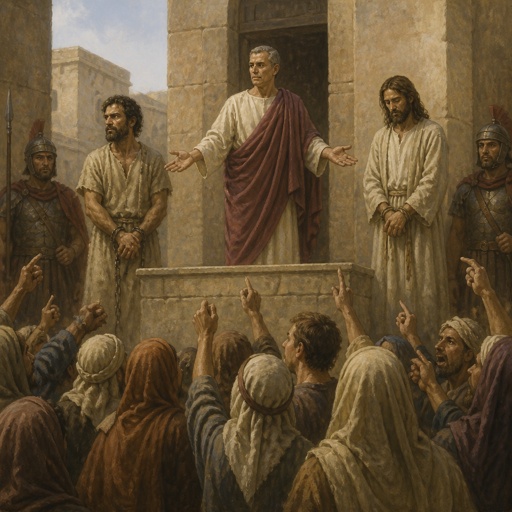
"And they cried out all at once, saying, Away with this man, and release unto us Barabbas:" - Luke 23:18

Luke 23:53

Luke 19:23

luke 11:23

Luke 19:23

luke 11:23

Luke 15:23

luke 11:23

luke 11:23

Luke 10:18-19

Luke 13:18-19

Luke 10:18-19

Luke 10:18-19

Luke 13:18-19

Luke 10:18-19

Luke 10:18-19

Luke 10:18-19

Genesis 23-18

Jeremiah 23:18

Luke 4:18

Luke 4:18

Luke 23:54 - "And that day was the preparation, and the sabbath drew on."

Luke 23:23 - "And they were instant with loud voices, requiring that he might be crucified. And the voices of them and of the chief priests prevailed."

Genesis 18-23

Luke 23:24 - "And Pilate gave sentence that it should be as they required."

Joshua 18:23 - "And Avim, and Parah, and Ophrah,"

Matthew 18:23-34