Austere Accountability: The Weight of Our Choices
“And he saith unto him, Out of thine own mouth will I judge thee, thou wicked servant. Thou knewest that I was an austere man, taking up that I laid not down, and reaping that I did not sow:” — Luke 19:22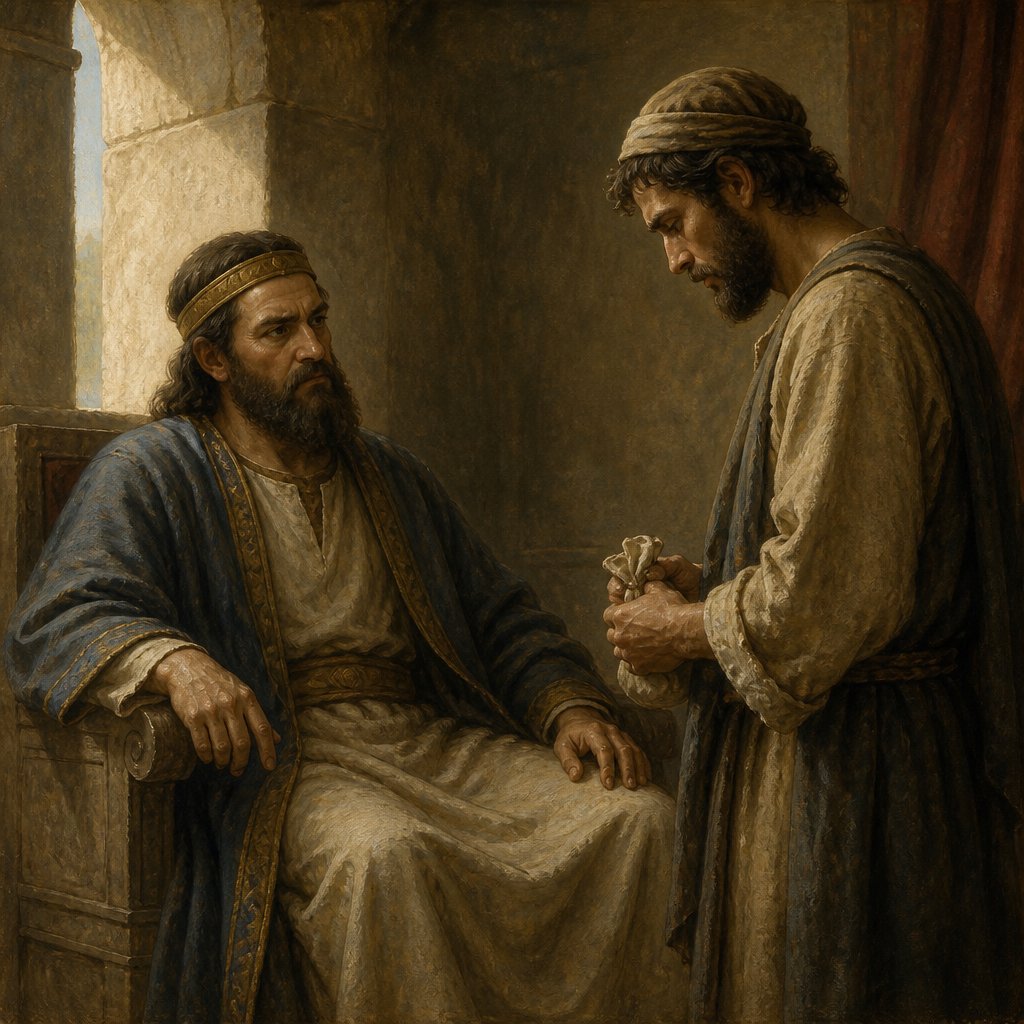
In the parable of the ten pounds found in Luke 19, we see an evocative picture of accountability, responsibility, and the expectations placed upon us by God. In Luke 19:22, Jesus delivers a piercing judgment to the servant who misused the resources entrusted to him. He declares, "And he saith unto him, Out of thine own mouth will I judge thee, thou wicked servant. Thou knewest that I was an austere man, taking up that I laid not down, and reaping that I did not sow."
To grasp the weight of this declaration, we must first understand its context. Jesus tells the story of a nobleman who goes away to receive a kingdom, entrusting his servants with money to invest on his behalf. While some servants diligently work and multiply their gifts, one servant, likely out of fear and misunderstanding, buries his single pound. When the nobleman returns, he seeks not just to hear what his servants have done, but to hold them accountable for their actions and decisions.
The phrase "thou wicked servant" reveals the disappointment and gravity of the situation. This servant is not merely labeled as lazy; instead, he is judged as wicked because he squandered the opportunity to invest wisely in the work set before him. By burying his talent, he distanced himself from the character of his master and demonstrated a profound misunderstanding of the trust and responsibility that had been extended to him. The question emerges: What are we doing with the gifts and opportunities God has placed in our lives?
The Lord's accusation against the servant, "thou knewest that I was an austere man," speaks to the recognition of God’s nature. The servant acknowledges that his master is strict and demands a return on investment. It is clear that he possessed knowledge of his master’s character, yet instead of using that understanding as a motivator for diligent work, it paralyzed him with fear. Fear often leads to inaction, and inaction can lead to judgment. We must consider how often we might respond in a similar fashion when faced with the talents or opportunities God has given us. Do we bury our potential due to fear, anxiety, or misunderstanding?
Jesus, in this parable, is not merely addressing the misuse of financial resources but is calling attention to the spiritual truth that applies to all areas of our lives. Each of us has been gifted with unique resources, talents, and responsibilities, whether they be in relationships, work, or ministries. To ignore these gifts, or to fail to utilize them for their intended purposes, is to fail the very essence of our calling as followers of Christ.
The consequences of the servant’s actions are stark. He is stripped not only of the pound but also is cast out of his master’s presence. This echoes the theme of judgment that runs throughout Scripture, emphasizing that our choices matter deeply. In our lives, we, too, will face the moments of divine accountability—moments when we will have to answer for how we’ve lived out our faith and the opportunities we've had to glorify God through our actions.
Therefore, let us take heed from this parable. Let it ignite within us a sense of urgency and a commitment toward action—the call to awaken our dormant talents, muddled dreams, and buried ambitions. As we acknowledge the austere nature of our God, let’s remember that He is also abundantly gracious and expects us to participate in His work with both confidence and diligence. Rather than living in fear of failure, let us step boldly into the calling He has placed on our lives, investing our lives fully in the service of our King.
As we reflect on this teaching, we may ask ourselves: What are the gifts God has entrusted to me? Am I actively using them to further His kingdom? And if I have buried my talents, how can I dig them up, dust them off, and put them to work for His glory? May our prayer be that we will not hear, "thou wicked servant," but rather, "Well done, thou good servant." Let us strive to be faithful stewards, embracing the call to serve and multiply what God has placed in our care.
Get our apps


Artwork for Luke 19:22

Luke 19:22 - "And he saith unto him, Out of thine own mouth will I judge thee, thou wicked servant. Thou knewest that I was an austere man, taking up that I laid not down, and reaping that I did not sow:"
"And he saith unto him, Out of thine own mouth will I judge thee, thou wicked servant. Thou knewest that I was an austere man, taking up that I laid not down, and reaping that I did not sow:" - Luke 19:22

Luke 22:19 - "¶ And he took bread, and gave thanks, and brake it, and gave unto them, saying, This is my body which is given for you: this do in remembrance of me."

Luke 10:18-19

Luke 13:18-19

Luke 10:18-19

Luke 10:18-19

Luke 10:17-19

Luke 13:18-19

Luke 10:18-19

Luke 10:18-19

Luke 10:18-19

Luke 10:17-19

luke 22:42

Luke 22:39

Luke 22:61,62

Luke 22:39

luke 22 44
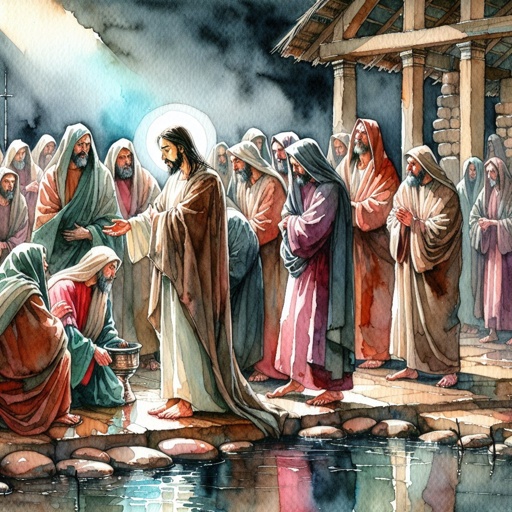
luke 22:42

Luke 22:42
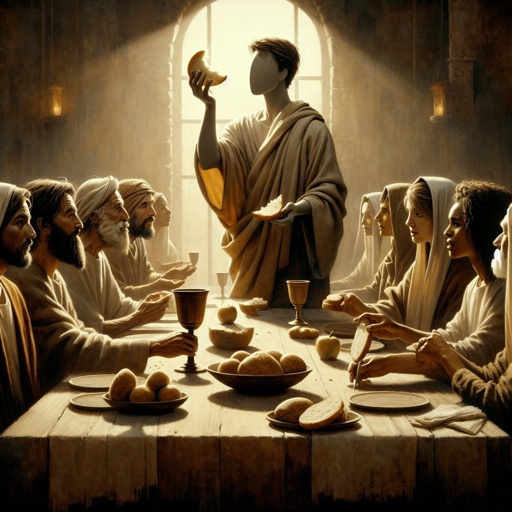
Luke 22:19-20 - "And he took bread, gave thanks and broke it, and gave it to them, saying, “This is my body given for you; do this in remembrance of me.” In the same way, after the supper he took the cup, saying, “This cup is the new covenant in my blood, which is poured out for you."

Luke 19:23

Luke 1:19

Luke 19:23

Luke 19:19 - "And he said likewise to him, Be thou also over five cities."

Luke 19:10

Luke 19:28

Luke 1:19

Luke 1:19

Genesis 22:19