The Paradox of Stewardship: Lessons from Luke 19:26
“For I say unto you, That unto every one which hath shall be given; and from him that hath not, even that he hath shall be taken away from him.” — Luke 19:26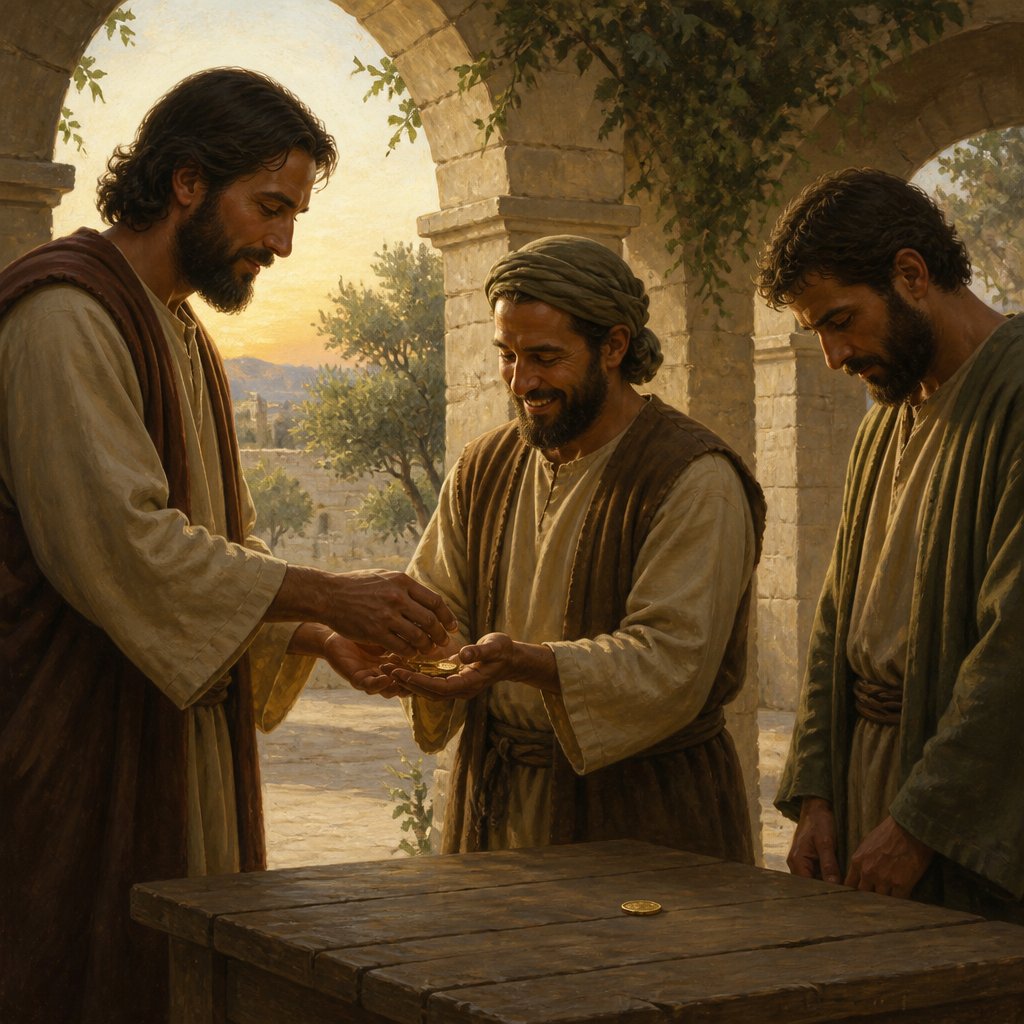
In the parable of the ten pounds found in Luke 19, Jesus presents a compelling truth about stewardship, responsibility, and divine justice. Within this parable, the verse Luke 19:26 states: "For I say unto you, That unto every one which hath shall be given; and from him that hath not, even that he hath shall be taken away from him." To understand the depth of this verse, we must immerse ourselves in the broader context of Jesus’s teachings and the significance of our response to what we have been given.
At first glance, this statement might seem harsh or unjust. Why would the Lord take away from someone who does not possess much? However, we must remember that Jesus is not merely talking about material wealth or possessions; He is addressing the principles of spiritual and practical stewardship in our lives. The inherent principle is that our actions in response to what God provides us reveal our hearts, our priorities, and our understanding of His kingdom.
In His parable, Jesus highlights the faithfulness of servants who utilized their gifts, abilities, and resources diligently. When they returned to the master with what they had worked for, they were rewarded with even greater responsibilities. This indicates a kingdom economy that rewards faithfulness and proactive stewardship. Conversely, those who did nothing with what they were given, allowing fear or complacency to dictate their actions, risk losing even what little they hold.
Thus, the message is clear: much is expected from those to whom much has been given. This idea correlates with the teachings found in the Beatitudes and throughout the New Testament. The gifts of time, talent, and treasure come with the expectation that we will use them wisely. The reality is that God entrusts us with certain responsibilities not merely to test us, but to cultivate growth and expansion within His Kingdom.
Consider the servant who buried his talent instead of investing it. Jesus illustrates that this servant's fear and inaction were ultimately a rejection of the grace and provision of his master. Spiritually speaking, we may find ourselves taking for granted the gifts bestowed upon us—mercy, grace, spiritual gifts, and even our very lives—and not acknowledging the tremendous potential for growth that exists within those gifts. Each believer is intricately designed to contribute uniquely within the Body of Christ, yet many fall into a false sense of security or apathy that keeps us from stepping out in faith.
Moreover, Jesus emphasizes that because of the inherent principle of God's justice, those who do not actively engage with their God-given resources may find themselves lacking the very blessings they once had. This could manifest in various forms—spiritually, emotionally, or even materially. While God is loving and merciful, He is also just and desires His children to reflect His character and values.
As we reflect on this passage, let us ask ourselves: what have I been given? Am I utilizing my talents, resources, and time to their full potential for God’s kingdom? Am I investing in relationships, sharing the gospel, and being generous with my resources, or am I hoarding my gifts out of fear or insecurity?
In a world that often equates worth with material possessions, this verse helps to recalibrate our understanding of value. It reminds us that the true essence of life and growth in Christ comes through active obedience and risk-taking in our stewardship.
Thus, let us step out in faith, embrace the gifts we have, and trust that as we invest in the Kingdom, God will continue to multiply those gifts. The paradox of stewardship is that as we give, we receive. Let our hearts be open to the leading of the Spirit as we navigate our own responsibilities, that we may hear, “Well done, good and faithful servant” when we stand before our Master.
Get our apps


Artwork for Luke 19:26

Luke 19:26 - "For I say unto you, That unto every one which hath shall be given; and from him that hath not, even that he hath shall be taken away from him."
"For I say unto you, That unto every one which hath shall be given; and from him that hath not, even that he hath shall be taken away from him." - Luke 19:26

luke 1:26

luke 1:26

Luke 1:26

Genesis 19-26

Matthew 19:26

Luke 12:25-26

Luke 12:25-26

Luke 16:22-26

Luke 12:25-26

Luke 6:21-26

Luke 12:25-26

Luke 12:25-26

Luke 6:21-26

Luke 12:25-26

Luke 12:25-26

Luke 5:17-26

Luke 10:18-19

Luke 13:18-19

Luke 10:18-19

Luke 10:18-19

Luke 13:18-19

Luke 10:17-19

Luke 10:18-19

Luke 10:18-19

Luke 10:18-19

Luke 10:17-19

Luke 18:26 - "And they that heard it said, Who then can be saved?"

Luke 19:23