Restoration: The Transforming Power of Repentance
“And Zacchæus stood, and said unto the Lord; Behold, Lord, the half of my goods I give to the poor; and if I have taken any thing from any man by false accusation, I restore him fourfold.” — Luke 19:8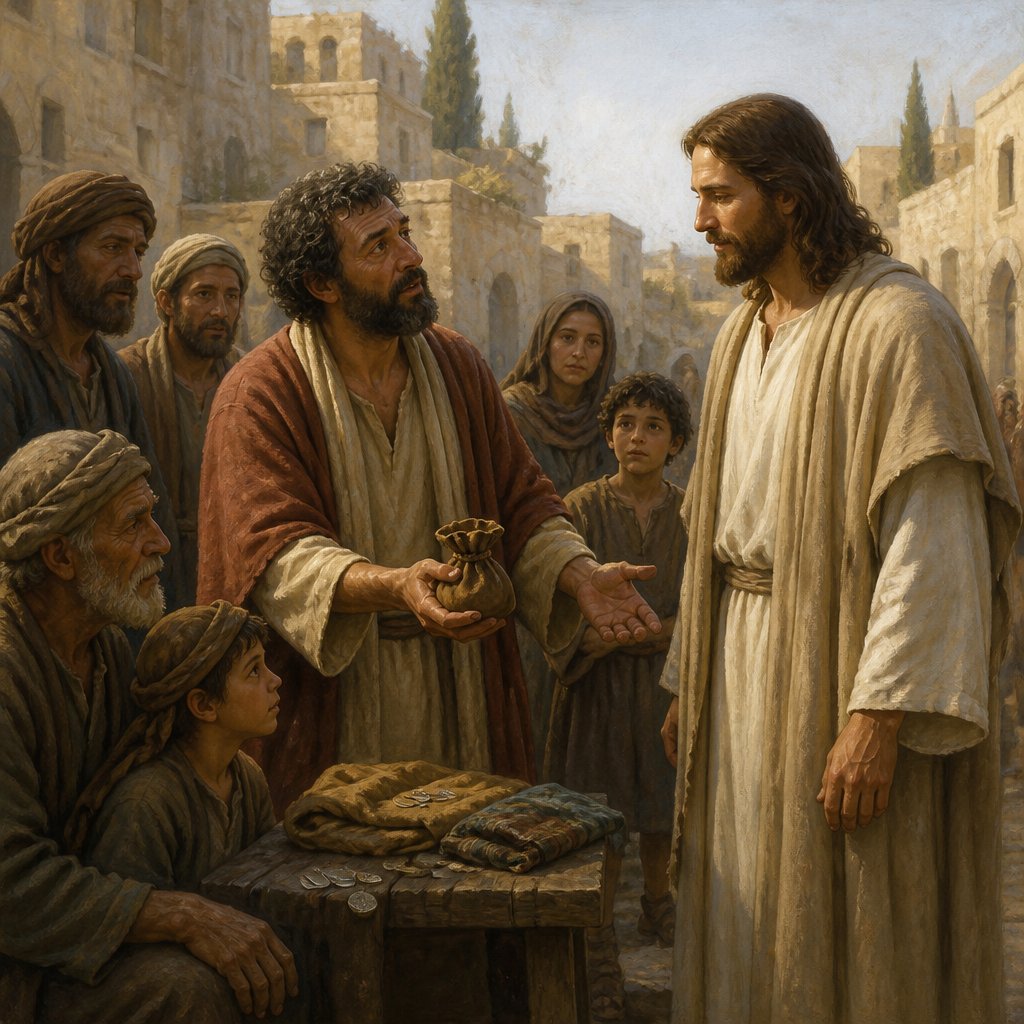
In the narrative of Luke 19:8, we witness a profound moment of transformation for Zacchaeus, a tax collector who is often remembered for his small stature but monumental impact on the Gospel. The verse reads, "And Zacchaeus stood, and said unto the Lord; Behold, Lord, the half of my goods I give to the poor; and if I have taken any thing from any man by false accusation, I restore him fourfold" (KJV). This moment signifies not just a moment of confession, but a radical change of heart that demonstrates the true nature of repentance.
Zacchaeus encountered Jesus in a way that altered the trajectory of his life. Climbing a sycamore tree to see over the crowd, he displayed an earnest desire to be in the presence of the Lord. This act itself is a metaphor for seeking God; sometimes we must rise above the challenges and obstacles in our lives to gain a clearer view of Christ. What Jesus saw in Zacchaeus was not his profession as a tax collector—often equated with greed and corruption in that time—but rather his heart yearning for redemption.
When Zacchaeus proclaims his intentions to give half of his possessions to the poor, and to restore fourfold to those he has wronged, he makes a stunning revelation about the nature of true repentance. Repentance is not merely a verbal acknowledgment of wrongdoing. It encompasses a physical and spiritual shift in behavior, a turning away from past actions that have betrayed one's values and principles in pursuit of righteousness.
In the culture of First Century Judea, tax collectors were seen as traitors, extorting their fellow Jews to enrich themselves under Roman authority. Zacchaeus must have faced the scorn of his peers for his profession, but far worse was the weight of guilt that had likely accumulated over years of dishonesty and greed. Yet in his encounter with Jesus—who represents the embodiment of grace and mercy—Zacchaeus experiences a revelation that leads him to be fully accountable for his actions.
The choice he makes to give half of his goods to those in need reflects a shift from selfishness to generosity. This act is reminiscent of the teachings of Christ, who called His followers to love their neighbors and serve those in need. Zacchaeus shows us that true faith manifests in action; where there is a genuine heart for God, it will naturally overflow into caring for others.
Furthermore, he pledges to restore those he has wronged fourfold. Under Mosaic Law, restitution required returning stolen items. However, Zacchaeus goes above and beyond legal requirements, showcasing the depth of his repentance and a desire to rectify his injustices. His response challenges us to consider our own lives: are we merely apologizing for our faults, or are we seeking to make restoration where we have wronged others?
Zacchaeus' story is not simply an isolated incident. It reflects the overarching theme of the Gospel, showing that Jesus welcomes sinners and transforms their lives. This restoration is a testimony to the power of God's grace, which has the capability to change anyone genuinely seeking Him—no matter the depth of their past mistakes.
As we reflect on Zacchaeus’ declaration before the Lord, we are called to examine our hearts. Do we approach Christ with humility and readiness to change? Are we willing to part ways with our earthly possessions, our old selves, to follow Him? Are we, too, ready to restore relationships and make amends in areas where we have failed?
In recognizing the miraculous power of God's grace, may we, like Zacchaeus, choose to stand and proclaim our commitments to seek justice, practice generosity, and restore relationships. Let prayer lead us to the steps we must take toward repentance and transformation, ensuring that our hearts align with God's intention of love and kindness—demonstrated in action—toward those around us.
Get our apps


Artwork for Luke 19:8

Luke 19:8 - "And Zacchaeus stood, and said unto the Lord; Behold, Lord, the half of my goods I give to the poor; and if I have taken any thing from any man by false accusation, I restore him fourfold."
"And Zacchaeus stood, and said unto the Lord; Behold, Lord, the half of my goods I give to the poor; and if I have taken any thing from any man by false accusation, I restore him fourfold." - Luke 19:8

Luke 8:19 - "¶ Then came to him his mother and his brethren, and could not come at him for the press."
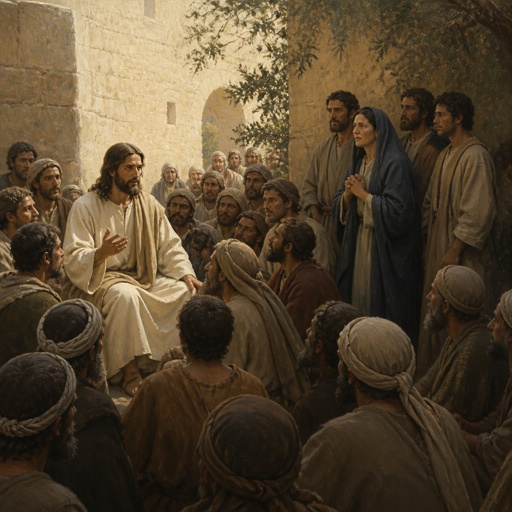
"¶ Then came to him his mother and his brethren, and could not come at him for the press." - Luke 8:19

Luke 10:18-19

Luke 13:18-19

Luke 10:18-19

Luke 10:18-19

Luke 10:17-19

Luke 13:18-19

Luke 10:18-19

Luke 10:18-19

Luke 10:18-19

Luke 10:17-19

Luke 19:23

Luke 1:19

Luke 19:23

Luke 19:19 - "And he said likewise to him, Be thou also over five cities."

Luke 19:10

Luke 19:28

Luke 1:19
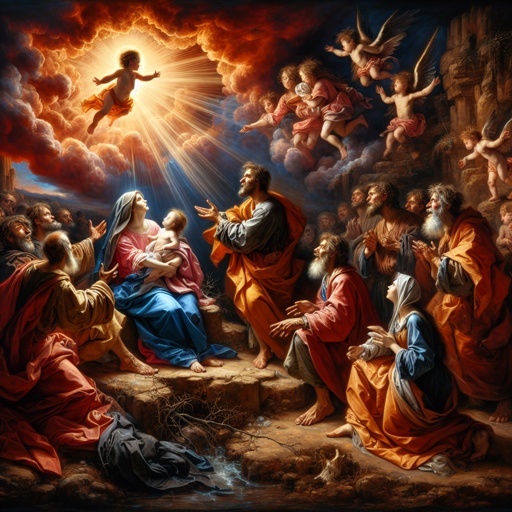
Luke 1:19

Luke 8:5-8

luke 21:5-19

Luke 19:1-10

Luke 10:18-19

Luke 19:1-10

Luke 21:15-19

Luke 4:19 - "To preach the acceptable year of the Lord."

Luke 19:34 - "And they said, The Lord hath need of him."