The Assurance of Prayer: A Divine Promise
“But the angel said unto him, Fear not, Zacharias: for thy prayer is heard; and thy wife Elisabeth shall bear thee a son, and thou shalt call his name John.” — Luke 1:13
In the heart of Luke 1, we encounter an extraordinary moment that not only changed the lives of Zacharias and Elisabeth but also altered the course of history. The angel Gabriel appears to Zacharias with a message that resonates far beyond their personal circumstances. The verse, "But the angel said unto him, Fear not, Zacharias: for thy prayer is heard; and thy wife Elisabeth shall bear thee a son, and thou shalt call his name John" (Luke 1:13 KJV), is a profound testament to God's faithfulness and the power of prayer.
First, let us unpack the context of this divine encounter. Zacharias, a priest of the course of Abijah, and his wife Elisabeth were both righteous before God, living blamelessly in accordance with all the commandments and ordinances of the Lord. Yet, they were childless, and as they aged, their prayers for a child seemed more distant than ever. In a time and culture where heirs held significant importance, the weight of this lack was heavy upon them. They had prayed and hoped for years, and perhaps, over time, a cloud of doubt began to loom over their hearts. How many of us can relate to offering prayers for something so deeply desired, only to feel as if our cries have gone unheard?
This verse, however, brings the warm embrace of reassurance. "Fear not" is the angel's opening declaration. Fear is often the greatest barrier that hinders us from receiving God’s promises. In our times of longing and waiting, fear can creep in—fear of the unknown, fear of disappointment, fear that perhaps God's silence signals indifference or rejection. Yet, the angel’s gentle admonition dissolves that fear and ushers in hope. It invites Zacharias—and us—to believe in the power of divine timing and purpose. Even when things seem hopeless, God hears our prayers.
The phrase "for thy prayer is heard" is a powerful declaration. It reminds us that God is attentive to our cries. Our prayers do not simply fade into the ether; they are sensed, collected, and answered by an omnipotent God. This should invigorate our faith, giving us the strength to persist in prayer. The waiting period can be arduous, and it may stretch our patience and resolve, yet God is assuredly at work even when we cannot see the outcome. Each day that we wait is not a day of abandonment; rather, it is a day of preparation for the coming blessing.
Furthermore, the promise given to Zacharias and Elisabeth is not just personal but carries significant divine purpose. Their forthcoming son, John, would grow up to be the forerunner of Christ, heralding the arrival of the Messiah. God’s plans are magnificently intricate, intertwining the personal with the universal. In our yearning and waiting, we may never fully understand how our situation fits into God’s grand design. Yet, we can rest assured that He works all things for good. Our dreams and prayers may be tied to something infinitely larger than our immediate circumstances.
Let us contemplate the name given to this child—John. Meaning "God is gracious," it encapsulates the answer to Zacharias's prayers and the graciousness of God's response. How beautiful it is that our answered prayers often reveal God’s grace to us and the world around us. Each blessing, gift, and promise we receive serves a dual purpose: it blesses us and stands as a testament to God’s unfailing love and faithfulness.
In conclusion, let us not grow weary in our prayers. The assurance that God hears us is a profound truth we must hold onto. When fear knocks at our hearts, let us remember Gabriel’s message and lean fully into God’s perfect plan. As we lift our prayers to Him, let us await His answers with hopeful anticipation, recognizing that what may seem delayed is often on the brink of revelation. We are called to pray persistently, to trust profoundly, and to believe courageously in the promises He has woven into the tapestry of our lives.
Get our apps


Artwork for Luke 1:13

Luke 1:13

Luke 1:13

Luke 1:13

Luke 1:13

Luke 1:13

Luke 1:13

Luke 1:13 - "But the angel said unto him, Fear not, Zacharias: for thy prayer is heard; and thy wife Elisabeth shall bear thee a son, and thou shalt call his name John."

"But the angel said unto him, Fear not, Zacharias: for thy prayer is heard; and thy wife Elisabeth shall bear thee a son, and thou shalt call his name John." - Luke 1:13

Luke 8:13

Luke 8:13

Luke 8:13

Luke 16:1-13

Luke 16:1-13

Luke 16:1-13

Luke 24:13-35

Luke 13:1 - "There were present at that season some that told him of the Galilaeans, whose blood Pilate had mingled with their sacrifices."

Luke 1:3 - "It seemed good to me also, having had perfect understanding of all things from the very first, to write unto thee in order, most excellent Theophilus,"

Luke 13:18-19

Luke 13:20-21

Luke 13:18-19

Luke 13:20-21
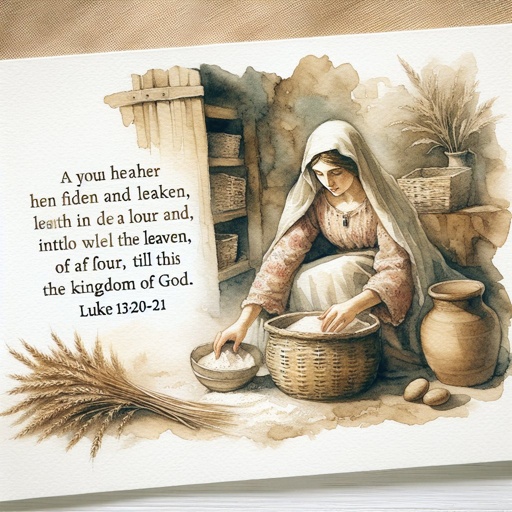
Luke 13:20-21

Luke 13:20-21

Luke 13:20-21

Luke 13:24

Luke 2:13

Luke 16:1-1313

Luke 13:13 - "And he laid his hands on her: and immediately she was made straight, and glorified God."

Luke 13:6-9

Luke 2:13-14