The Tragic Tryst of Rebellion: Lessons from the Vineyard
"So they cast him out of the vineyard, and killed him. What therefore shall the lord of the vineyard do unto them?" - Luke 20:15
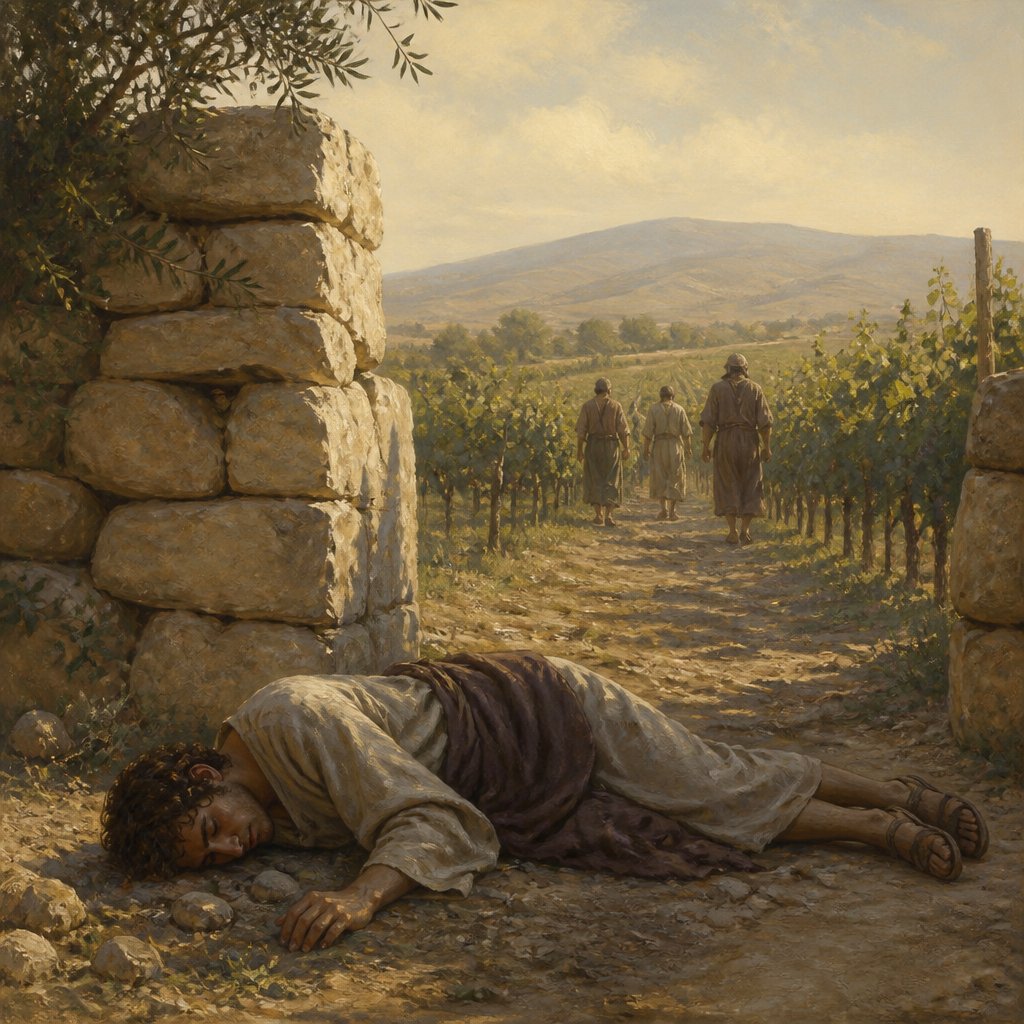
The Parable of the Wicked Husbandmen in Luke 20:9-19 illustrates a sobering reality about human nature, rebellion, and the consequences of our actions. Our focus verse, Luke 20:15 states, "So they cast him out of the vineyard, and killed him. What therefore shall the lord of the vineyard do unto them?" This verse serves as a poignant reflection of our relationship with God and His relentless pursuit of justice.
In this parable, Jesus is addressing the religious leaders of His time, who had become stewards of God's vineyard—the people of Israel. The vineyard symbolizes God's kingdom, and the husbandmen represent those He entrusted with the care and guidance of His people. As the story unfolds, we witness a pattern of rejection: the landowner sends servants to collect fruit from his vineyard, but time and time again, they are mistreated and ultimately killed by the husbandmen. Finally, he sends his beloved son, expecting a respectful reception, only to have him cast out and slain.
This powerful narrative serves not only as a warning but also as a revelation of God’s profound love and enduring patience towards humanity. The servants correspond to the prophets God sent to Israel: men like Isaiah, Jeremiah, and many others who suffered great persecution for calling the people of Israel back to their covenant with God. Rejecting God's messengers repeatedly leads to the ultimate rejection of His Son, Jesus Christ. This rejection serves as a tragic culmination of disobedience and moral decay.
We must pause to reflect on what it means to be a steward in God’s vineyard. Are we managing our lives—a precious gift from God—in a manner that honors Him? The wicked husbandmen assumed ownership of the vineyard, forgetting that they were caretakers, not owners. In a similar way, we can fall into the trap of believing that our lives, resources, and time belong solely to us. But Scripture tells us otherwise; we are but stewards of God’s grace and love. We must ask ourselves: are we nurturing the vineyard God has given us, or are we pining away in selfish ambition?
The question posed by Jesus at the end of the verse, "What therefore shall the lord of the vineyard do unto them?" directs our minds to the inevitable judgment that follows rebellion. The actions of the husbandmen are reflective of human tendencies to resist divine authority, but God’s justice is as much a part of His character as His love. Judgment is not capricious; it is a consequence of our choices. The parable reminds us that there are serious repercussions for rejecting God and His message. In the fate of the wicked husbandmen, we see that their rebellion leads to destruction.
Understanding the weight of God’s judgment allows us to grasp the depth of His mercy. He continues to reach out to us, offering grace and forgiveness through Jesus Christ. His question is not an indictment alone—it also invites introspection. It leads us to confess our failures and to seek redemption. Each time we choose Jesus, we step away from rebellion and toward reconciliation, not only with God but with our brothers and sisters as well.
As we meditate on Luke 20:15, let it stir in us a renewed commitment to be faithful stewards of the vineyard entrusted to us. Let us cultivate kindness, love, and patience in every interaction and bring forth good fruit—love, joy, peace, longsuffering, gentleness, goodness, faith, meekness, and temperance (Galatians 5:22-23).
In conclusion, may we not find ourselves cast out of the vineyard, but rather, as faithful workers in the Lord’s harvest. Let us heed the lessons from this parable, recognizing the importance of fidelity to God’s will and the joy that comes from bearing fruit for His kingdom. Thus, the Lord of the vineyard will rejoice in us, and we will eternally dwell in His presence, rather than facing the aftermath of rebellion.
Want to reflect more on Luke 20:15?
Continue your spiritual journey with Bible Chat — an AI-powered tool for exploring God's Word through conversation. Ask questions, discover connections, and deepen your understanding.
Get Our Apps


Luke 20:15 Artwork

Luke 20:15 - "So they cast him out of the vineyard, and killed him. What therefore shall the lord of the vineyard do unto them?"
"So they cast him out of the vineyard, and killed him. What therefore shall the lord of the vineyard do unto them?" - Luke 20:15

"And he arose, and came to his father. But when he was yet a great way off, his father saw him, and had compassion, and ran, and fell on his neck, and kissed him." - Luke 15:20

Luke 15:20 - "And he arose, and came to his father. But when he was yet a great way off, his father saw him, and had compassion, and ran, and fell on his neck, and kissed him."

Luke 13:20-21

Luke 13:20-21

Luke 13:20-21

Luke 13:20-21
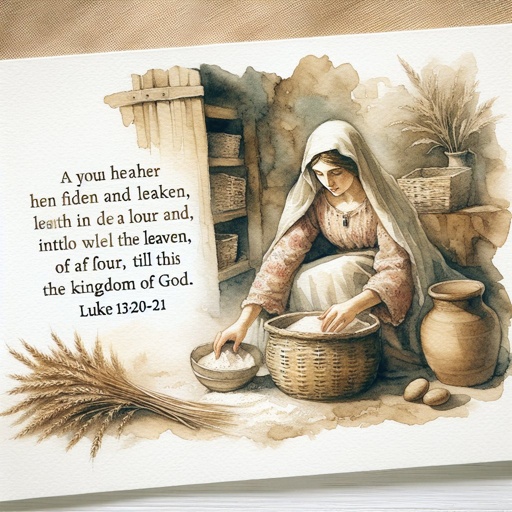
Luke 13:20-21

Luke 20:28
Luke 15:23

Luke 15:10

Luke 2:1-20

Luke 15:21

Luke 15:21

Luke 20:7 - "And they answered, that they could not tell whence it was."

Genesis 15:20

Genesis 20-15

Luke 20:4 - "The baptism of John, was it from heaven, or of men?"

Luke 20:32 - "Last of all the woman died also."

Luke 15: 4-7

Luke 11:14-15

Luke 21:15-19

Luke 15:11-32

Luke 20:22 - "Is it lawful for us to give tribute unto Caesar, or no?"

Genesis 15:20 - "And the Hittites, and the Perizzites, and the Rephaims,"

Exodus 20:15 - "Thou shalt not steal."

Luke 15:15 - "And he went and joined himself to a citizen of that country; and he sent him into his fields to feed swine."
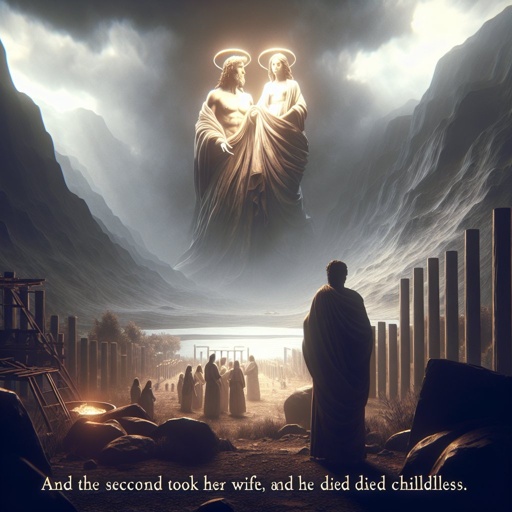
Luke 20:30 - "And the second took her to wife, and he died childless."

Colossians 1:15-20