The Vineyard and Its Caretakers: A Legacy of Faithfulness
“He shall come and destroy these husbandmen, and shall give the vineyard to others. And when they heard it, they said, God forbid.” — Luke 20:16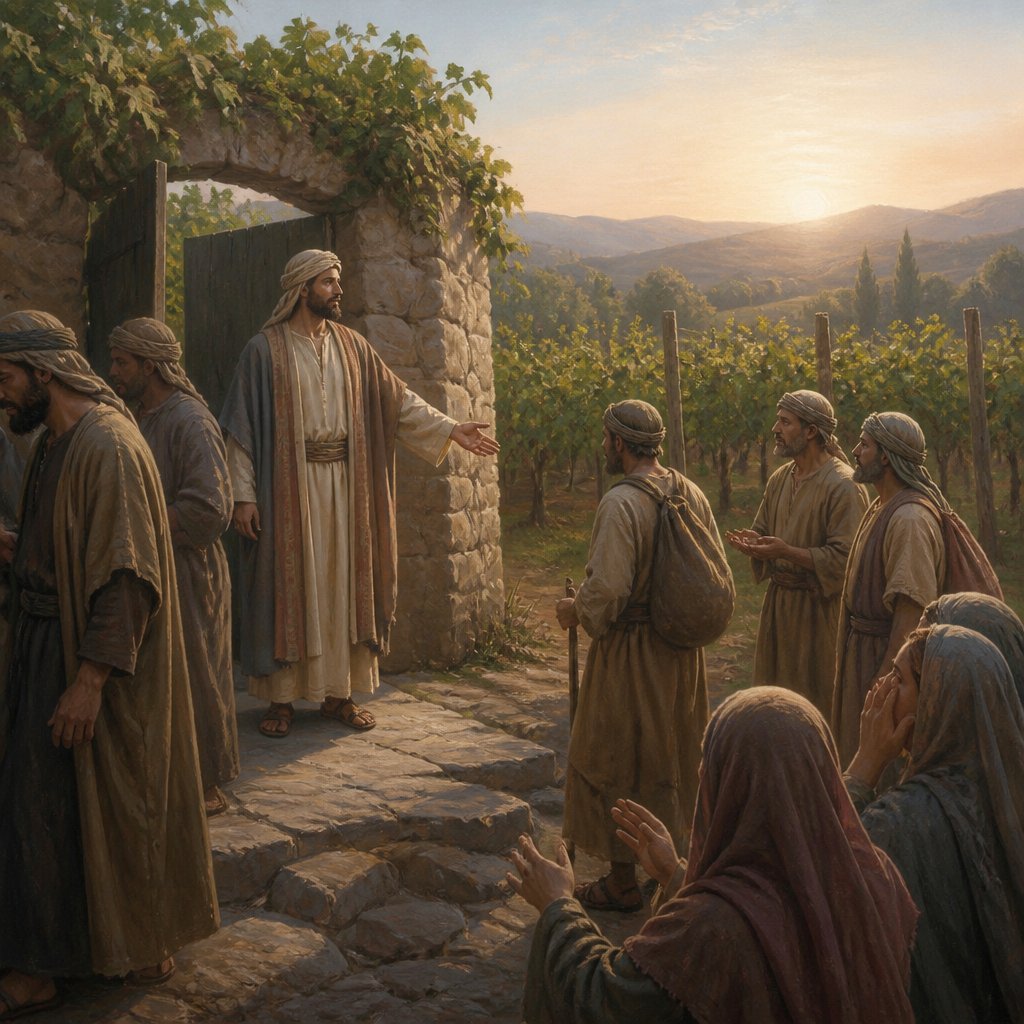
In the parable found in Luke 20:16, Jesus shares a poignant story to illustrate the relationship between God and His people. The verse states, "He shall come and destroy these husbandmen, and shall give the vineyard to others. And when they heard it, they said, God forbid." This imagery of a vineyard, the caretakers, and their responsibility serves as a powerful metaphor for our stewardship of God’s grace and calling upon our lives.
To understand the depth of this parable, we must first recognize the significance of the vineyard. In ancient Israel, vineyards were symbols of prosperity, blessing, and the joy that springs from fruitful labor. They were the source of sustenance and delight, cultivating not only grapes but relationships and community. In this story, the vineyard symbolizes God’s kingdom, His gracious gifts, and His desire for a fruitful harvest among His people.
The husbandmen, or caretakers, represent the religious leaders of the time—those entrusted with the stewardship of God's message and the spiritual welfare of the people. However, as the parable unfolds, it becomes evident that these caretakers fail to honor their responsibilities. They reject the servants sent by the owner, culminating in their treatment of the owner's beloved son, a foreshadowing of how Jesus would be rejected and ultimately slain. The tragic irony is that despite the warnings and opportunities to repent, the husbandmen cling to their positions, resisting the very truth that offers life.
When Jesus declares that the owner shall destroy the husbandmen and give the vineyard to others, He sends a sober message to His audience. It is a reminder that God’s plan will not be thwarted by human disobedience. The vineyard will continue to exist, and the blessings of God’s kingdom must ultimately be shared with those who will nurture and care for it rightly. The listeners’ desperate response, “God forbid,” reveals a deep understanding of the implications of such a fate. They recognize that being cast aside from God’s blessing would be an unspeakable loss.
Today, this parable resonates with each one of us as we reflect on our roles as stewards of God’s blessings. What does it mean for us to care for the vineyard entrusted to our care? God has granted to each individual gifts, time, and treasures, all meant to cultivate His kingdom on Earth. We are called not only to receive these gifts but also to recognize our duty to use them faithfully and fruitfully. Are we, like the husbandmen, at risk of failing in our responsibilities?
To guard against this, we must engage in self-examination. Are we nurturing the relationships around us? Are we sharing the good news of Christ’s love with those in our lives? Are we investing our time and resources in building God’s kingdom or are we merely comfortable in our roles, unresponsive to the urgent call to action? 1 Peter 4:10 encourages us: "As every man hath received the gift, even so minister the same one to another, as good stewards of the manifold grace of God."
The beauty of the vineyard lies not in its mere existence but in the flourishing of its fruit—this is the essence of what God desires from us. Each act of kindness, each moment of service, each word of encouragement contributes to the health of the vineyard. God has entrusted us with this sacred privilege, and we will one day answer for how we tended to it.
In closing, let us heed the warning embedded in Jesus' parable. May we each commit ourselves anew to being faithful stewards of the vineyard—an embodiment of His grace and truth in a world that desperately needs it. Let us joyfully share the abundance of His love and mercy, mindful that the blessings we receive are meant to be shared, ensuring that the vineyard thrives for generations to come.
Get our apps


Artwork for Luke 20:16

Luke 20:16 - "He shall come and destroy these husbandmen, and shall give the vineyard to others. And when they heard it, they said, God forbid."
"He shall come and destroy these husbandmen, and shall give the vineyard to others. And when they heard it, they said, God forbid." - Luke 20:16

Luke 16:20 - "And there was a certain beggar named Lazarus, which was laid at his gate, full of sores,"
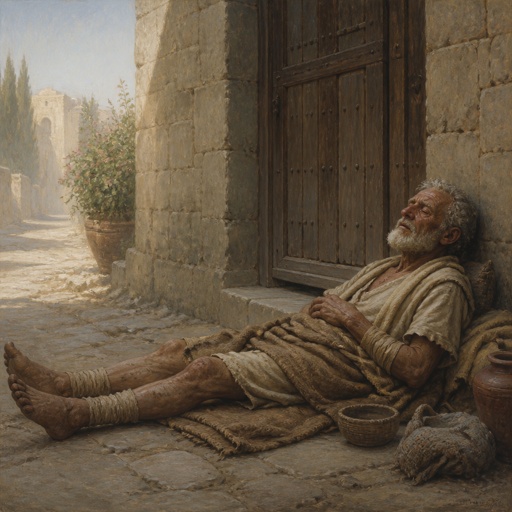
"And there was a certain beggar named Lazarus, which was laid at his gate, full of sores," - Luke 16:20

Luke 13:20-21

Luke 13:20-21

Luke 13:20-21

Luke 13:20-21
Luke 13:20-21

Luke 20:28

Luke 2:1-20

Luke 8:16

luke 4:16

Luke 20:7 - "And they answered, that they could not tell whence it was."

Mark 16:20
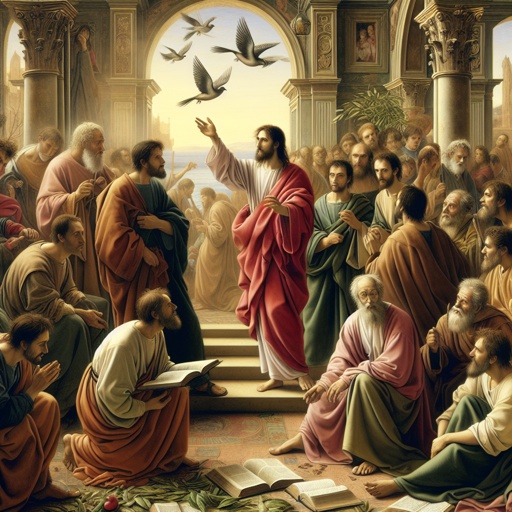
Mark 16:20

Deuteronomy 20:16

Luke 16:1-13
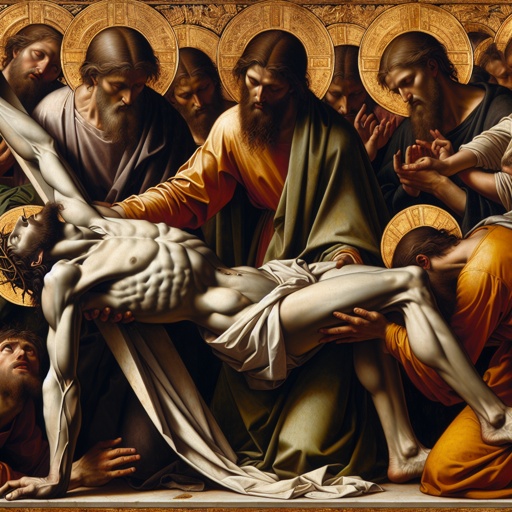
Mark 16:20

Genesis 20-16

Mark 16:20

Deuteronomy 20:16

Mark 16:20

Deuteronomy 20:16

Luke 20:32 - "Last of all the woman died also."

Luke 20:4 - "The baptism of John, was it from heaven, or of men?"

Luke 16:1-1313

Luke 16:22-26

Luke 16:1-13

Luke 16:1-13