The Authority We Cannot Deny
“And they answered, that they could not tell whence it was.” — Luke 20:7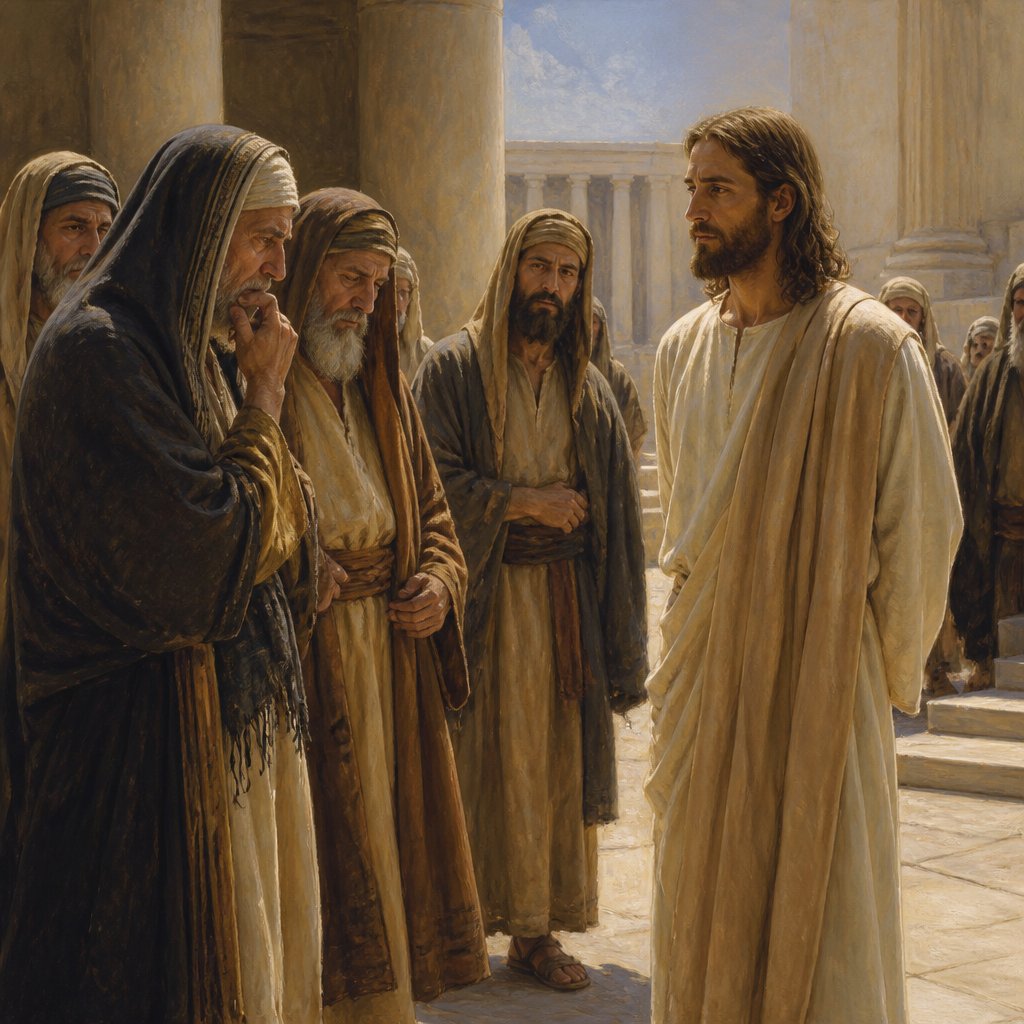
In the Gospel of Luke, chapter 20, we find ourselves in the midst of a powerful encounter between Jesus and the religious leaders of His time. The scene is set in the temple, a place of worship—and also of contention. The leaders were questioning Jesus’ authority, trying to trap Him with their cunning inquiries. In verse 7, when they were pressed to answer the question about the source of John the Baptist’s authority, they replied, "And they answered, that they could not tell whence it was." This moment echoes through the centuries, speaking volumes about human recognition of divine authority and our often reluctant acknowledgment of it.
The leaders, in essence, found themselves at a crossroads. On one hand, they were aware that John the Baptist had preached with power, and his baptism had drawn thousands to repentance. He had boldly declared the coming of the Messiah in the person of Jesus Christ. On the other hand, they realized that to accept his authority would also mean admitting that Jesus—whom they were questioning—was indeed the Messiah. They were trapped in a web of their own making, struggling between their traditions, fear of the people, and the undeniable truth before them.
This passage confronts us with the theme of authority, both earthly and divine. The religious leaders were more concerned about maintaining their power and control than seeking the truth. Their inability to answer Jesus reveals the stark contrast between human wisdom and divine revelation. This theme calls us to reflect on how we respond when faced with the truth of God’s authority in our own lives—do we resist as they did, or do we humbly accept and submit?
In our modern lives, we too encounter situations where the truth of God’s authority clashes with our desires, ambitions, or societal norms. We live in an age that often promotes self-governance and personal freedom above all else. Yet, just as the religious leaders were confronted with the authority of John the Baptist and Jesus, we face influential voices in our lives seeking to redirect our attention away from the Sovereign Lord.
Consider for a moment the implications of their response, "that they could not tell whence it was.” This phrase speaks to a deep-seated struggle many of us face when presented with the evidence of God’s work. We may not want to admit that we see signs of His glory all around us because acknowledging that would mean we are accountable to Him, that our lives must reflect His truths.
Furthermore, it warns us of the dangers of pride and the quest for confirmation from others. The chief priests, scribes, and elders were more concerned about public perception and their own reputations than they were about the will of God. How often do we find ourselves in similar positions? Do we suppress our convictions out of fear of ridicule or confrontation? Do we play politics instead of allowing truth to penetrate our hearts?
In light of this verse, we are beckoned to seek clarity on the question of authority. Jesus invites us into a personal relationship where He reveals profound truths about ourselves and the world. Just as He asked the religious leaders to weigh their answer to the question of John’s authority, He asks us to consider the sources of our own beliefs and actions. Who or what holds the utmost authority in our lives? Are we willing to submit to His wisdom, even when it contradicts our own understanding or desires?
As you meditate on Luke 20:7 today, reflect on the importance of recognizing and embracing the authority of Christ. Let us not be like the religious leaders who, fearing the consequences of their answer, resorted to silence. Instead, may we boldly proclaim our faith and live under the loving authority of our Lord Jesus, allowing His truth to guide us in all areas of our lives. In doing so, we will not only witness the fullness of His power, but we will also experience true freedom—freedom that comes from walking in His ways.
Get our apps


Artwork for Luke 20:7

Luke 20:7 - "And they answered, that they could not tell whence it was."

"And they answered, that they could not tell whence it was." - Luke 20:7

Luke 7:20 - "When the men were come unto him, they said, John Baptist hath sent us unto thee, saying, Art thou he that should come? or look we for another?"

Luke 13:20-21

Luke 13:20-21

Luke 13:20-21

Luke 13:20-21
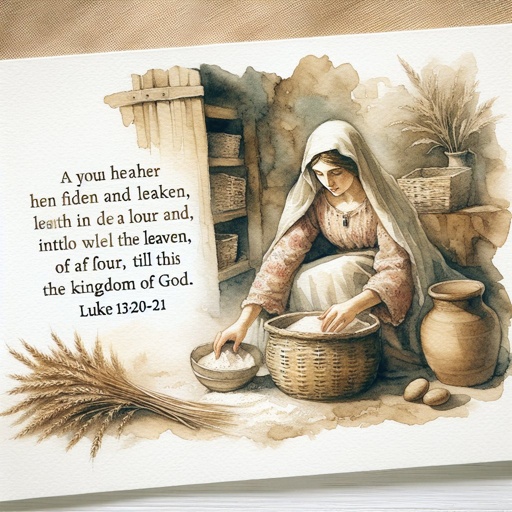
Luke 13:20-21

Luke 20:28

Luke 2:1-20

Luke 20:32 - "Last of all the woman died also."
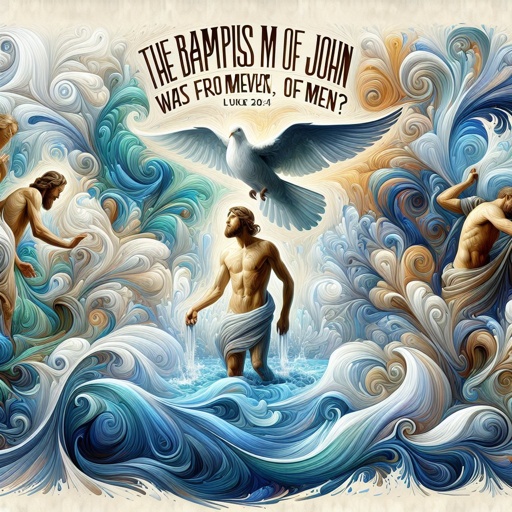
Luke 20:4 - "The baptism of John, was it from heaven, or of men?"

Luke 20:22 - "Is it lawful for us to give tribute unto Caesar, or no?"

Luke 7:33

Luke 7:50

Luke 7:50
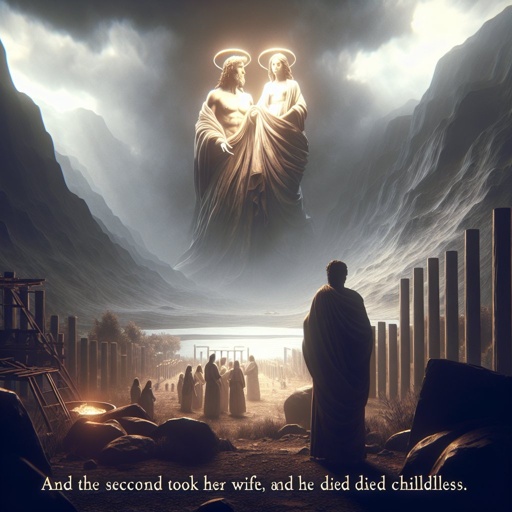
Luke 20:30 - "And the second took her to wife, and he died childless."

Luke 20:40 - "And after that they durst not ask him any question at all."

Luke 20:43 - "Till I make thine enemies thy footstool."

Luke 20:45 - "¶ Then in the audience of all the people he said unto his disciples,"

Revelation 20:7

Revelation 20:7

Revelation 20:7

Luke 20:38 - "For he is not a God of the dead, but of the living: for all live unto him."

Luke 23:20 - "Pilate therefore, willing to release Jesus, spake again to them."

Psalm 20 :7

Genesis 20-7

Psalm 20:7

Revelation 20:7

Luke 7:36-50