The Lesson of the Fig Tree: Understanding the Signs of the Times
“And he spake to them a parable; Behold the fig tree, and all the trees;” — Luke 21:29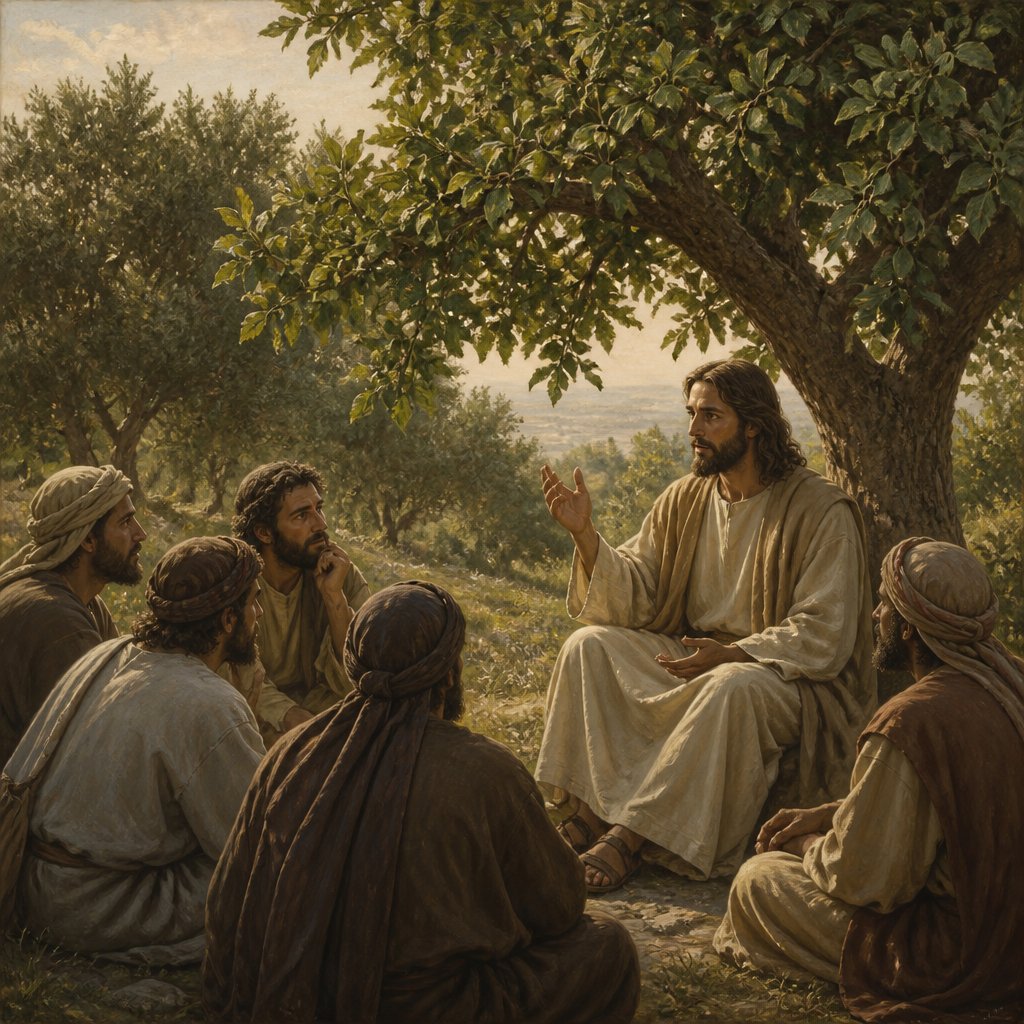
In Luke 21:29, the Lord Jesus says, "And he spake to them a parable; Behold the fig tree, and all the trees;" This verse marks a pivotal moment where Christ uses nature to convey profound spiritual truths, specifically regarding the signs of His return and the end of the age.
As we delve into this passage, it becomes clear that Jesus is inviting us to observe the ordinary events in our surroundings and consider the extraordinary messages they may hold for us. The imagery of the fig tree—a common and familiar symbol in Jewish culture—serves as an effective teaching tool. It invites us to reflect on the significance of the seasons, the cycles of growth, and the inevitable change that comes with time.
In biblical times, the fig tree was well regarded, associated with prosperity, peace, and spiritual nourishment (Micah 4:4). It often represented the nation of Israel and was a symbol of rest and security. When Jesus tells the disciples to behold the fig tree, He calls attention to its budding leaves and growth as a key indicator of the changing seasons. This call to observation is not just about noticing the physical world but also understanding the spiritual implications of those observations.
In our lives, how often do we overlook the subtleties around us? As busy individuals, we tend to rush through our days, fixated on our tasks and obligations. However, God has placed signs all around us—echoes of His presence, reminders of His promises, calls to vigilance and readiness for His return. The seasons change, and with them, we can see God’s handiwork at play, indicative of much larger spiritual realities.
Moreover, the phrase “and all the trees” broadens our understanding from a singular lesson about the fig tree to encompass a more universal truth about observation and discernment. Different trees may signify different lessons, nuances, and experiences. God invites us to examine not just one aspect of our spiritual lives but to take a holistic view of our relationship with Him and with one another.
As we go further into the context of Luke 21, we find a critical theme concerning preparedness. Jesus is speaking about the signs that will precede His return—a time that will be marked by challenges, tribulations, and the unfolding of His ultimate plan for mankind. He urges His followers to be alert and to interpret the events of their lives against the backdrop of Scripture and prophecy. Just as the fig tree indicates that summer is near, our awareness of current events should lead us to recognize the nearness of Christ’s return.
This deepens the imperative for spiritual vigilance. The parable serves as a reminder that we are not to be caught off guard. We may not know the day or the hour when the Son of Man will return, but we are called to live in readiness, maintaining our faith, hope, and love. The spiritual fruits we cultivate stand testament to our relationship with Jesus and our preparedness for His coming.
Furthermore, reflecting on the fig tree teaches us patience. Just as it takes time for a tree to bud and bear fruit, our spiritual growth and maturity require patience as well. We must engage actively with God’s Word, seek His presence, and allow the Holy Spirit to work in us to become more like Christ.
As we gaze at the natural world, let us perceive the spiritual lessons it imparts. Every season has its purpose. Every tree has its story. In getting to know the fig tree and every tree around us, we learn to discern the times and purify our hearts in anticipation of Christ’s return.
In conclusion, let us embrace the call of Jesus in Luke 21:29. Let us be observant, wise, and prepared. As we behold the fig tree and all the trees, may we see God’s hand at work, His messages in our lives, and the urgency of living a life that reflects His love and grace. Each day is a gift, a chance to grow, mature, and wait in expectancy for the fulfillment of His promises. Always be watchful, dear friends, as we learn from the signs of nature that God is indeed in control of the seasons and times.
Get our apps


Artwork for Luke 21:29

Luke 21:29 - "And he spake to them a parable; Behold the fig tree, and all the trees;"
"And he spake to them a parable; Behold the fig tree, and all the trees;" - Luke 21:29

luke 1:29

Luke 4:29

Genesis 21-29

luke 9:29- 30

Luke 13:20-21

Luke 13:20-21
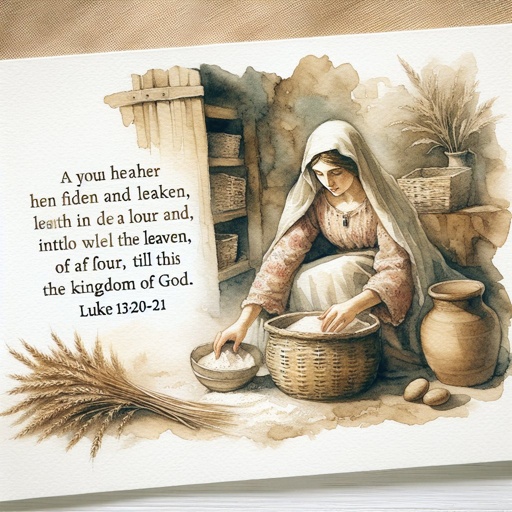
Luke 13:20-21

Luke 13:20-21

Luke 13:20-21

Luke 15:21

Luke 21:24

Luke 15:21

The Plague of Darkness - Exodus 10:21-29

The Plague of Darkness - Exodus 10:21-29

The Plague of Darkness - Exodus 10:21-29

The Plague of Darkness - Exodus 10:21-29

The Plague of Darkness - Exodus 10:21-29

The Plague of Darkness - Exodus 10:21-29

The Plague of Darkness - Exodus 10:21-29

The Plague of Darkness - Exodus 10:21-29

The Plague of Darkness - Exodus 10:21-29

The Plague of Darkness - Exodus 10:21-29

Matthew 21:29 - "He answered and said, I will not: but afterward he repented, and went."

Luke 6:21-26

luke 21:5-19

Luke 6:21-26

Luke 21:15-19

Luke 2:16 - 21