The Unfulfilled Prophecy: Embracing Christ's Suffering for Redemption
"For I say unto you, that this that is written must yet be accomplished in me, And he was reckoned among the transgressors: for the things concerning me have an end." - Luke 22:37
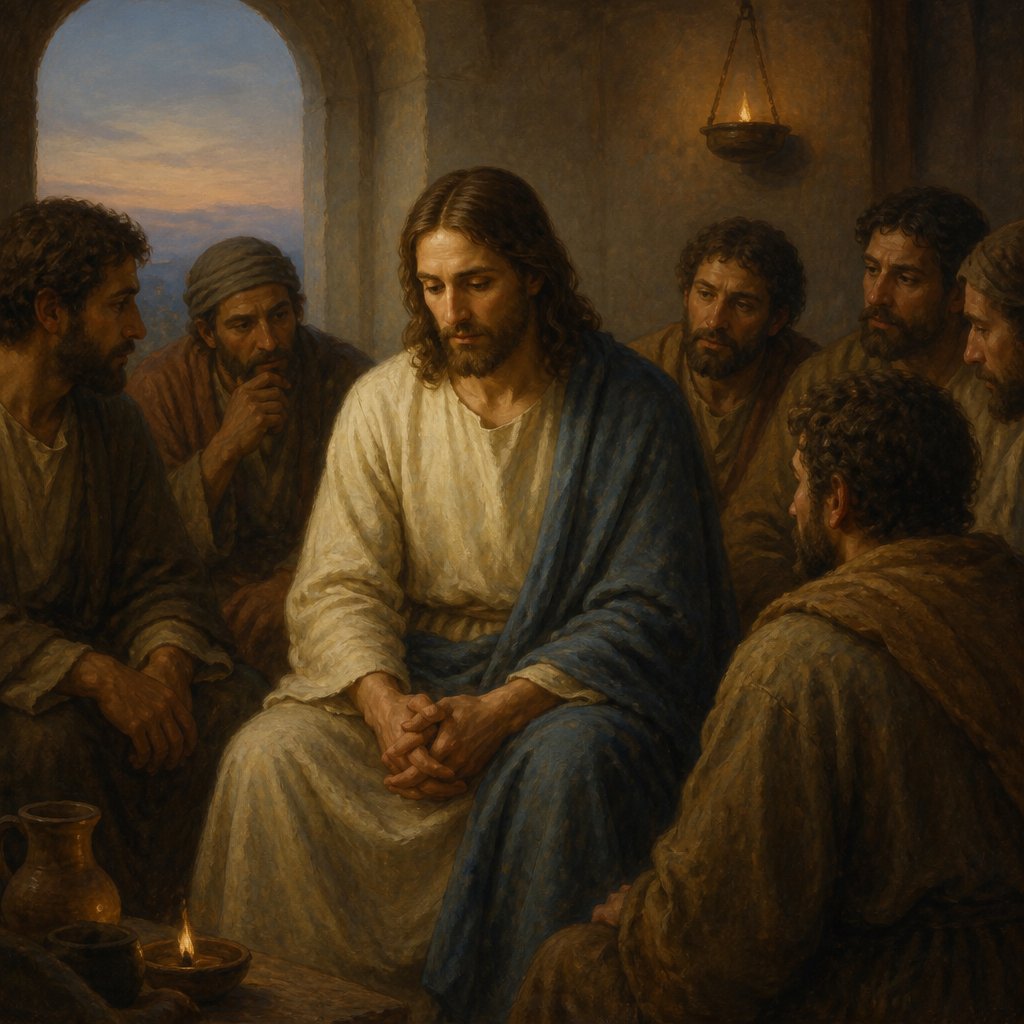
In the Gospel of Luke, chapter 22, verse 37, we encounter a poignant statement made by our Lord: "For I say unto you, that this that is written must yet be accomplished in me, And he was reckoned among the transgressors: for the things concerning me have an end." This verse encapsulates not just a prediction of events to unfold but takes us much deeper into the heart of God's redemptive plan, revealing how Jesus aligns Himself with the narratives of prophecy and suffering.
As we journey through life, we often find ourselves wrestling with trials that seem insurmountable. We grapple with pain, disappointment, and heartache, much like the Savior did when He faced the cross. Luke 22:37 reflects Christ's awareness and acceptance of His role as the suffering servant, one who was to bear the weight of the transgressions of humanity. Quoting the book of Isaiah, Jesus underscores that it was necessary for Him to fulfill scripture, which foretold His own unjust suffering and the recognition of Him as a transgressor. This divine appointment underscores the significance of prophecy, history, and intent in God's unfolding plan.
Importantly, Jesus not only acknowledges His future suffering but also His connection to those who are marginalized and rejected. To be "reckoned among the transgressors" means that He would be viewed as a criminal, yet His true intent was to offer redemption. The irony is profound: in being treated as a sinner, He bore our sins so that we might become the righteousness of God. This is a powerful reminder of the depths of His love and commitment to us, even when it leads Him toward suffering and eventual death.
As modern-day followers of Christ, we are invited to reflect on the implications of His statement and the broader message of redemption contained within it. We are called to understand that our Savior did not shy away from His mission, despite knowing the pain it would entail. Similarly, while we may not fully grasp the purpose behind our own trials, we’re reminded to trust in God’s greater plan. Our struggles may not carry the messianic weight of Christ’s, but they too can be transformative, leading us to a deeper relationship with Him.
Furthermore, this verse illustrates the concept of completion, highlighted by the phrase, “for the things concerning me have an end.” There is comfort in knowing that God’s purpose will come to fruition; His sovereignty assures that every challenge leads us closer to His divine narrative. Just as Christ’s suffering was not the end, the trials we endure are often pathways leading to our own spiritual maturity and eventual redemption through Him.
In moments of personal suffering or disappointment, we must remember that Christ walks with us through our anguish. Each step He took on the road to Calvary was filled with unyielding love—the kind that beckons us to brave our struggles with a sense of purpose. Jesus' willingness to be counted among the outcasts and the guilty prompts us to extend grace and compassion to those around us, embracing our collective humanity.
Ultimately, Luke 22:37 isn’t merely a statement about Christ’s fate; it invites reflection on our own lives and the lives of those around us. It challenges us as believers to acknowledge our imperfections, to see ourselves in need of grace, and to extend that same grace to others, particularly to those whom society marginalizes. May we take heart in the knowledge that Jesus Christ fulfilled prophecy not just for Himself, but for each of us, and through His obedience unto death, we can find hope and purpose in our own endings which await new beginnings.
Want to reflect more on Luke 22:37?
Continue your spiritual journey with Bible Chat — an AI-powered tool for exploring God's Word through conversation. Ask questions, discover connections, and deepen your understanding.
Get Our Apps


Luke 22:37 Artwork

Luke 22:37 - "For I say unto you, that this that is written must yet be accomplished in me, And he was reckoned among the transgressors: for the things concerning me have an end."
"For I say unto you, that this that is written must yet be accomplished in me, And he was reckoned among the transgressors: for the things concerning me have an end." - Luke 22:37

Luke 2:37

Luke 2:37

Luke 2:37

Luke 2:37

Luke 2:37

Luke (1:37) For nothing will be impossible with God.”

Luke (1:37) For nothing will be impossible with God.”

Luke (1:37) For nothing will be impossible with God.”

Luke (1:37) For nothing will be impossible with God.”

Luke (1:37) For nothing will be impossible with God.”

Luke (1:37) For nothing will be impossible with God.”

Luke (1:37) For nothing will be impossible with God.”

Luke (1:37) For nothing will be impossible with God.”

Luke (1:37) For nothing will be impossible with God.”

Luke (1:37) For nothing will be impossible with God.”

Luke (1:37) For nothing will be impossible with God.”

Luke (1:37) For nothing will be impossible with God.”

Luke (1:37) For nothing will be impossible with God.”

Luke (1:37) For nothing will be impossible with God.”

Luke (1:37) For nothing will be impossible with God.”

Luke (1:37) For nothing will be impossible with God.”

Luke (1:37) For nothing will be impossible with God.”

Luke (1:37) For nothing will be impossible with God.”

Luke (1:37) For nothing will be impossible with God.”

Luke (1:37) For nothing will be impossible with God.”

Luke (1:37) For nothing will be impossible with God.”

Luke (1:37) For nothing will be impossible with God.”

Luke (1:37) For nothing will be impossible with God.”