The Cup of the New Covenant: A Deeper Dive into Luke 22:20
“Likewise also the cup after supper, saying, This cup is the new testament in my blood, which is shed for you.” — Luke 22:20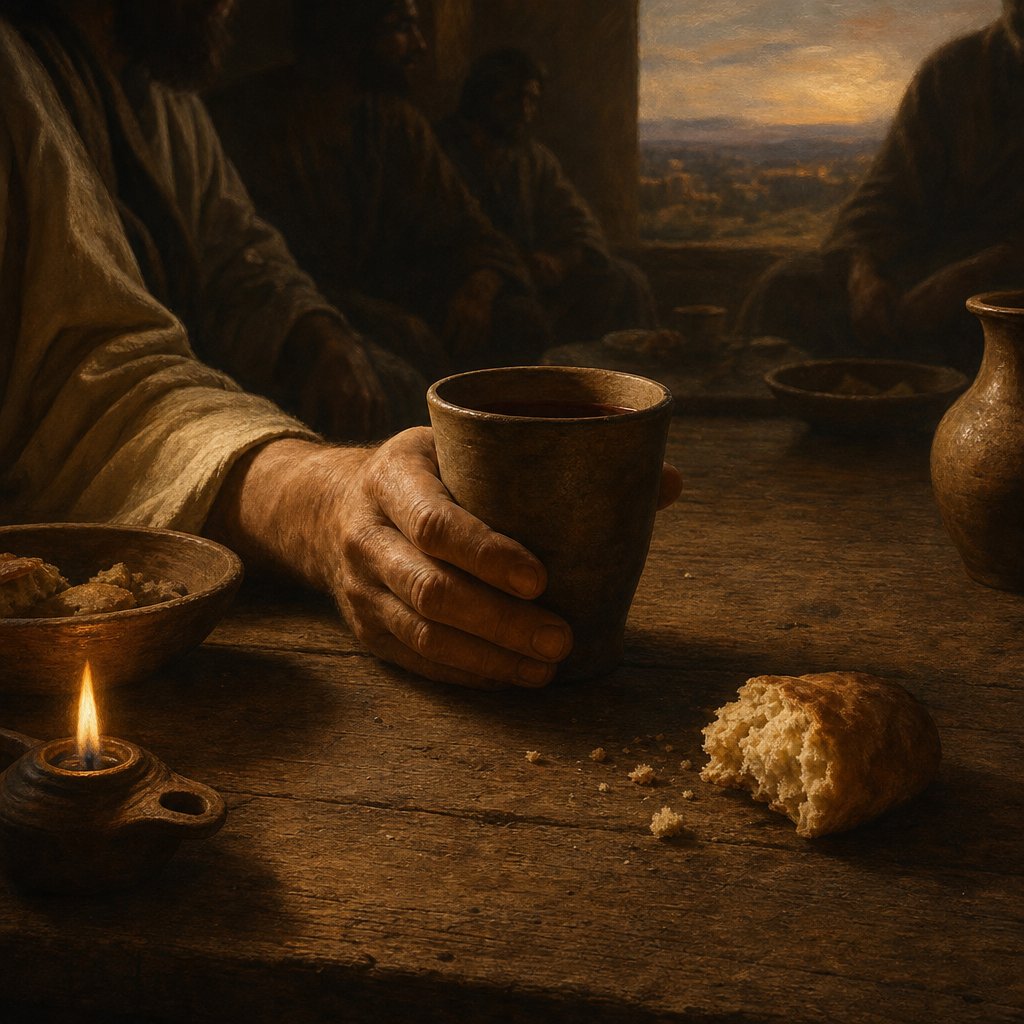
In the quiet moments following the Last Supper, Jesus profoundly revealed the significance of the cup He presented to His disciples. Luke 22:20 states, "Likewise also the cup after supper, saying, This cup is the new testament in my blood, which is shed for you." This verse encapsulates the essence of Jesus’ sacrificial death and the establishment of a new covenant between God and humanity.
The setting of this passage is rich in meaning. Gathered in the upper room, Jesus shared a final meal with His disciples, knowing that His crucifixion was imminent. This moment was pivotal. As good Jews, the disciples would have been accustomed to the Passover meal, which commemorated God's deliverance of His people from slavery in Egypt. However, in this moment, Jesus redefined the significance of the cup, transforming it from a symbol of the Passover to a profound truth about His impending sacrifice.
The phrase "This cup is the new testament in my blood" introduces the concept of a new covenant. A covenant is a sacred agreement or promise, and in biblical terms, it represents the relationship established between God and His people. The first covenant, often referred to as the Old Covenant, was based on the Law delivered through Moses, centered around rules and sacrificial systems that pointed toward the coming Messiah.
In the statement from Luke, Jesus is declaring the initiation of a new relationship, one not based on human effort or adherence to the law, but established through faith in His redemptive work. This new testament signifies a transition; it emphasizes grace over legalism, faith over works, and relationship over ritual.
The mention of His blood is significant and should not be taken lightly. Blood in biblical contexts symbolizes life and sacrifice. In the Old Testament, sacrifices were offered to atone for sin, but these were temporary measures. The new covenant ushered in by Jesus’ blood is permanent and complete. The sacrifice of Christ is the fulfillment of all that the sacrificial system pointed to, securing forgiveness for sins once and for all. This allows believers to have a direct relationship with God, no longer needing a priest to mediate on their behalf.
Moreover, Jesus’ blood shed for humanity demonstrates the depth of God’s love. John 3:16 proclaims, "For God so loved the world, that he gave his only begotten Son..." Jesus willingly went to the cross, shedding His blood, as an expression of the ultimate act of love. As we reflect on this, we must ask ourselves: do we value this sacrifice in our daily lives? Are we living in a way that honors the gift of grace offered to us?
Additionally, the phrase “which is shed for you” personalizes this vast redemptive plan. It reflects that Jesus’ sacrifice was intended for everyone and is available to anyone who would accept it. This invitation to partake in the new covenant is not exclusive, but rather inclusive. It beckons us to respond, to bring our lives, broken and imperfect, to the foot of the cross, and exchange our burdens for His grace.
As believers, partaking in communion serves as a reminder of this covenant. Each time we drink from the cup, we acknowledge the blood of Christ that indeed was shed for our behalf. It calls us to remember His love, His sacrifice, and the grace that transforms our lives. Let us approach the table with reverence and gratitude, understanding that we are privileged guests of God’s kingdom.
In light of Luke 22:20, we must then live in awareness of the new covenant established through Christ. Let us walk in the freedom it offers, allowing His love to compel us to share this good news with others. The cup calls us to remember, to reflect, and to respond to this divine gift of grace that not only impacts our lives but also changes the world around us.
Get our apps


Artwork for Luke 22:20

Luke 22:20 - "Likewise also the cup after supper, saying, This cup is the new testament in my blood, which is shed for you."
"Likewise also the cup after supper, saying, This cup is the new testament in my blood, which is shed for you." - Luke 22:20

Luke 20:22 - "Is it lawful for us to give tribute unto Caesar, or no?"
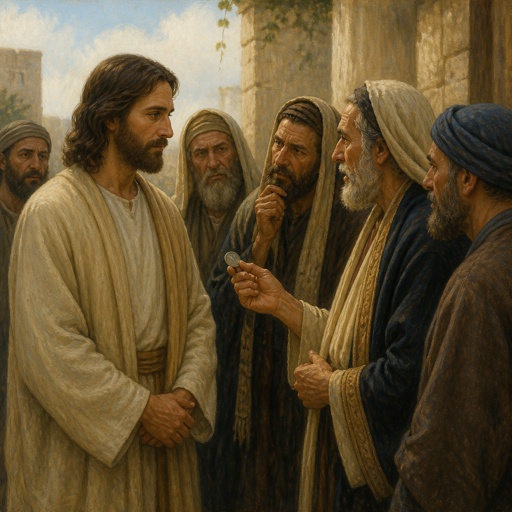
"Is it lawful for us to give tribute unto Caesar, or no?" - Luke 20:22

Luke 13:20-21

Luke 13:20-21

Luke 13:20-21

Luke 13:20-21
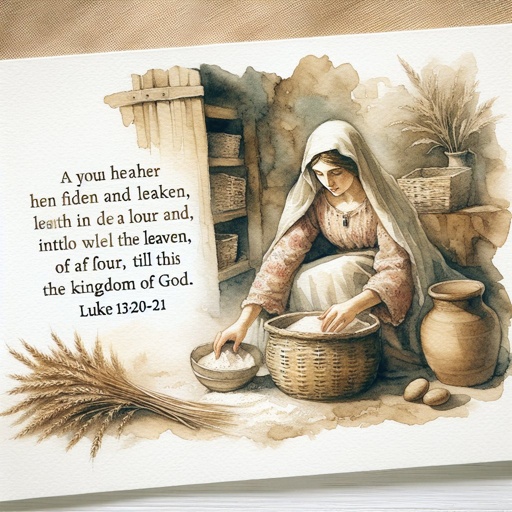
Luke 13:20-21
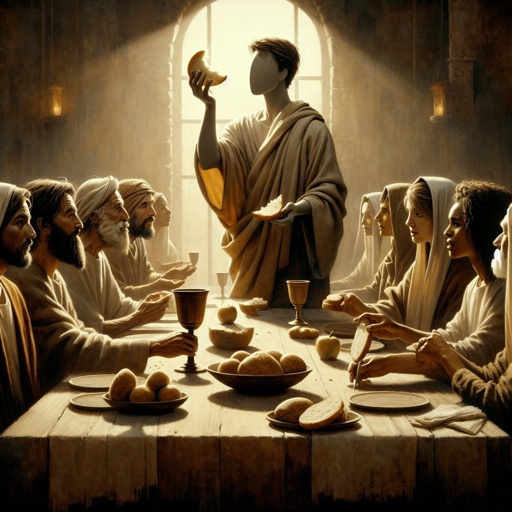
Luke 22:19-20 - "And he took bread, gave thanks and broke it, and gave it to them, saying, “This is my body given for you; do this in remembrance of me.” In the same way, after the supper he took the cup, saying, “This cup is the new covenant in my blood, which is poured out for you."

luke 22:42

Luke 22:39

Luke 22:61,62

Luke 22:39

luke 22 44
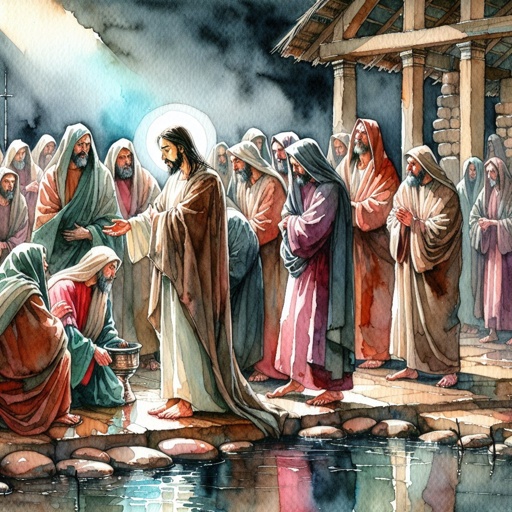
luke 22:42

Luke 22:42

Luke 20:28

Genesis 22-20

Luke 16:22-26

Luke 2:1-20

Luke 20:7 - "And they answered, that they could not tell whence it was."

Luke 22:62 - "And Peter went out, and wept bitterly."
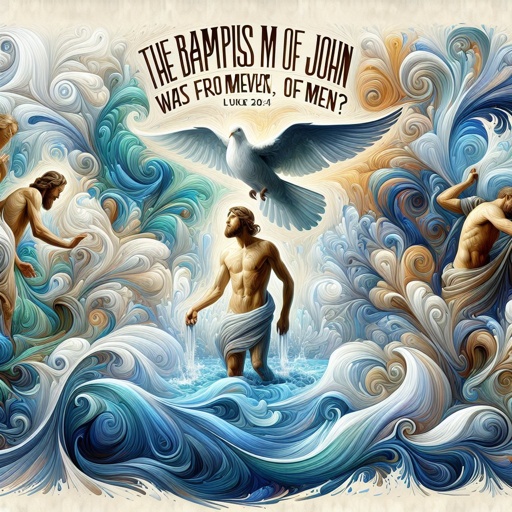
Luke 20:4 - "The baptism of John, was it from heaven, or of men?"

Luke 20:32 - "Last of all the woman died also."

Luke 22:5 - "And they were glad, and covenanted to give him money."

Luke 22:28 - "Ye are they which have continued with me in my temptations."

Luke 22:63 - "¶ And the men that held Jesus mocked him, and smote him."

Luke 22:65 - "And many other things blasphemously spake they against him."

Luke 22:31-32 - "Luke 22:31-32: And the Lord said, Simon, Simon, behold, Satan hath desired to have you, that he may sift you as wheat: But I have prayed for thee, that thy faith fail not: and when thou art converted, strengthen thy brethren."