The Innocence of Christ: A Reflection on Justice and Forgiveness
“And he said unto them the third time, Why, what evil hath he done? I have found no cause of death in him: I will therefore chastise him, and let him go.” — Luke 23:22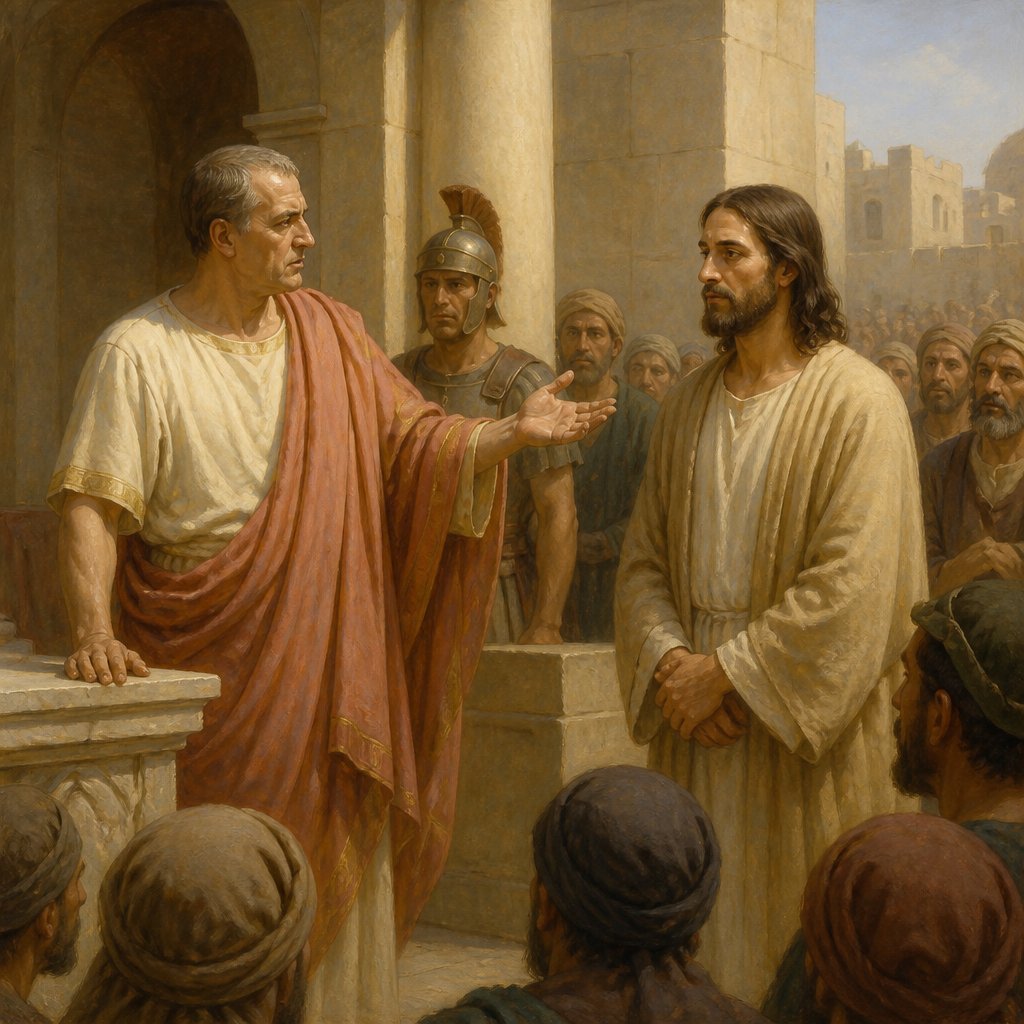
Luke 23:22 states, "And he said unto them the third time, Why, what evil hath he done? I have found no cause of death in him: I will therefore chastise him, and let him go." In this verse, we witness the profound dilemma faced by Pontius Pilate, the Roman governor who found himself at the epicenter of an explosive situation involving Jesus of Nazareth. The chains of injustice tighten around the innocent, while the clamoring crowd demands blood. As we dive into this passage, we are led to reflect on the nature of innocence, the weight of injustice, and the incredible depth of divine love.
At first glance, this verse may seem merely like a historical account of Pilate’s questioning of Jesus. However, it invites us to explore deeper questions surrounding innocence and the human tendency towards scapegoating. Pilate’s repeated inquiry—"What evil hath he done?"—highlights his internal conflict. He had examined the evidence, probed the accusations, and still found no just cause for death. Yet, under pressure from the crowd, he remained a passive observer to a miscarriage of justice.
How often do we find ourselves in similar positions, witnessing or even participating in the injustice inflicted upon the innocent? Pilate’s fear and desire for political expediency paralyzed him, leading him to choose the condemned over the righteous. Let us reflect on the moments in our lives where we either stand silently by as injustice unfolds, or succumb to societal pressures that weigh down on our decisions. This passage calls us to reckon with our own complicity—not just as passive observers, but as active participants in a fallen world.
Moreover, Pilate's plea to the crowd, “I will therefore chastise him, and let him go,” offers a moment of clarity amidst the chaos. Here, he attempts to appease the angry mob by proposing a compromise—bitter punishment coupled with the release of an innocent man. This is reflective of humanity’s tendency to seek partial solutions that ultimately fail to address the deeper issues at play. Like Pilate, we can resort to appeasing the loudest voices instead of seeking the truth and justice that God calls us toward.
What strikes us most, however, in this passage, is not merely Pilate’s indecision but the innocence of Christ amid false accusations. Jesus stands before the power of Rome—in chains, mocked, and scourged—offering silence against the backdrop of unmerited suffering. His willingness to endure; to be chastised rather than retaliate; is the embodiment of love beyond comprehension. In this moment of despair, we see the depths of God’s compassion and forgiveness.
As we meditate on this truth, let us also reflect on our own lives. How do we respond in our moments of trial? Do we condemn others in haste, or offer grace and understanding? Jesus, falsely accused and unjustly punished, becomes our ultimate model of forgiveness. In His silence, He speaks volumes—a promise that no depth of suffering or injustice can separate us from the love of God.
Today, let us embrace the challenge to be voices for the voiceless. Let us seek justice not just in our lives but in the world around us. Remember, true justice reflects the heart of God—one that seeks restoration and mercy over judgment. In our relationships, let us strive to embody grace; and when we stand before our own accusations—real or imagined—may we find strength in the words and actions of Christ, who endured all this for our sake. In doing so, we participate not just in Christ's suffering but also in His redemptive power—transformative for ourselves and our world.
Get our apps


Artwork for Luke 23:22

Luke 23:22 - "And he said unto them the third time, Why, what evil hath he done? I have found no cause of death in him: I will therefore chastise him, and let him go."
"And he said unto them the third time, Why, what evil hath he done? I have found no cause of death in him: I will therefore chastise him, and let him go." - Luke 23:22

Luke 22:23 - "And they began to enquire among themselves, which of them it was that should do this thing."

Acts 2:2-3

Acts 2:2-3
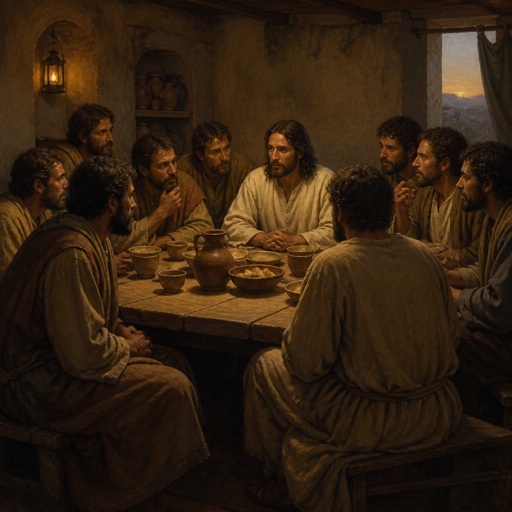
"And they began to enquire among themselves, which of them it was that should do this thing." - Luke 22:23

Luke 12:22-23 - "Then Jesus said to his disciples: “Therefore I tell you, do not worry about your life, what you will eat; or about your body, what you will wear. For life is more than food, and the body more than clothes."

Luke 23:53

Luke 19:23

luke 11:23

Luke 19:23

luke 11:23

Luke 15:23

luke 11:23

luke 11:23

Galatians5:22-23

luke 22:42

Luke 22:39

Luke 22:61,62

Luke 22:39

luke 22 44

luke 22:42

Luke 22:42

Galatians5:22-23

Genesis 22-23

Luke 23:54 - "And that day was the preparation, and the sabbath drew on."

Leviticus 23:15-22

Leviticus 23:17-22

Galatians 5:22-23

Galatians 5:22-23