The Barren Blessing: Redefining Blessing in Times of Crisis
“For, behold, the days are coming, in the which they shall say, Blessed are the barren, and the wombs that never bare, and the paps which never gave suck.” — Luke 23:29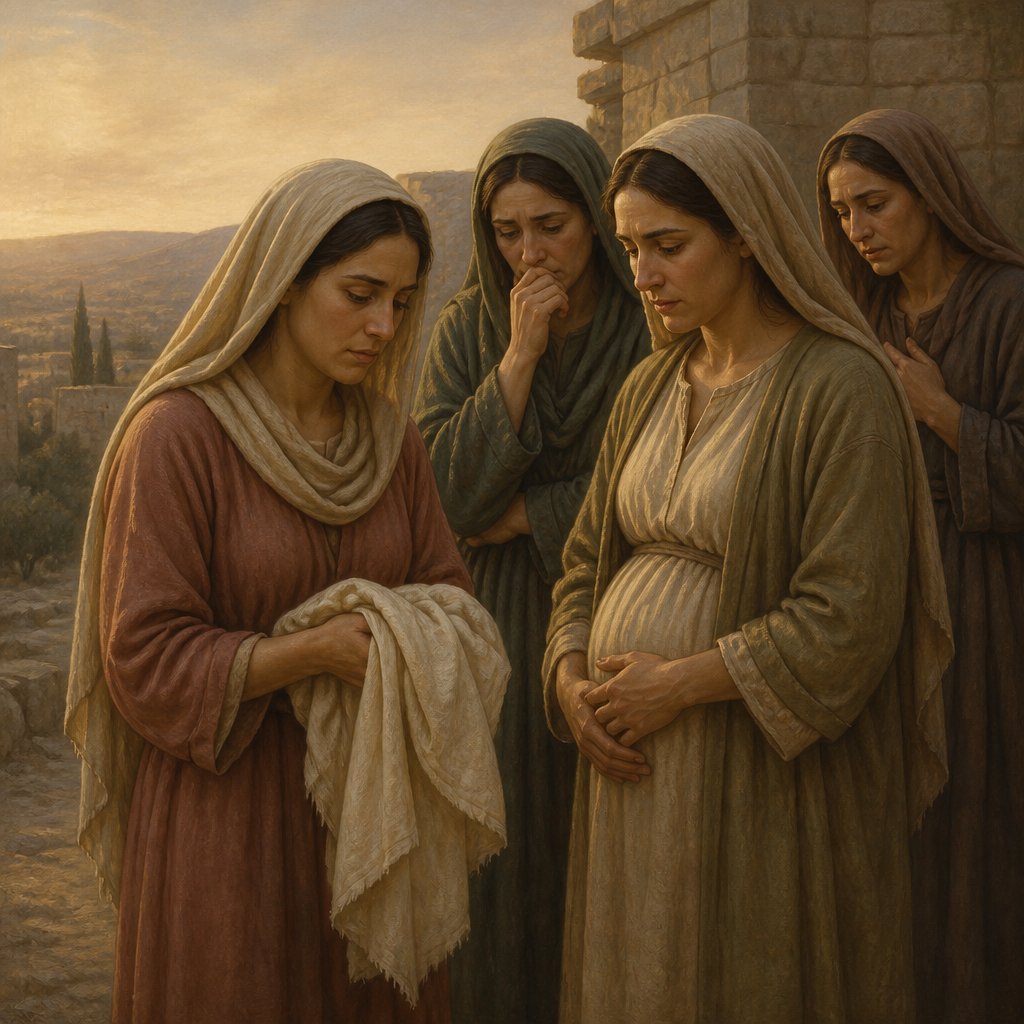
In the midst of one of the most heart-wrenching and tumultuous moments in the life of Jesus, we find a profound statement in the Gospel of Luke. Jesus is walking towards His crucifixion, encumbered by pain and rejection, yet He turns to those who weep for Him and says, “For, behold, the days are coming, in the which they shall say, Blessed are the barren, and the wombs that never bare, and the paps which never gave suck” (Luke 23:29, KJV). This scripture relates not only to the imminent suffering of Jesus but also to the unfolding understanding of what true blessing means when all appears lost.
This verse resonates deeply, especially in a world that often equates blessing with abundance, fulfillment, and success. In Jewish culture, a woman's worth has been primarily tied to her ability to bear children; thus, barrenness was seen as a curse, a significant source of shame, and anguish. By declaring blessings upon the barren women, Jesus challenges the prevailing notions of blessings and reassures us in times of despair.
To understand this, we must immerse ourselves in the context of Jesus’ statement. As He trudged forward to the cross, He foresaw a time when societal values would come under scrutiny. In the face of His impending death and the subsequent destruction of Jerusalem in AD 70, the perceived curse of barrenness would ironically be viewed as a blessing. This stark reversal serves as a powerful reminder that God’s ways are not our ways (Isaiah 55:8). Tribulation often highlights our inadequacies and pains, but in God’s economy, suffering can lead to deeper truths about love and mercy.
When Jesus identifies the barren as blessed, He is pointing towards a deeper reality—one that transcends physical life and fulfillment. The days are coming when those who mourn, suffer, and find themselves in situations they do not understand will ultimately recognize the grace of God at work in their lives, even in barrenness.
The barrenness He speaks of can symbolize an emotional or spiritual desolation, where individuals may feel empty, abandoned, or hopeless. In your life, you may feel barren—not necessarily in terms of childbearing, but perhaps there are areas where you feel unproductive or unfulfilled. The emptiness you perceive could be an invitation from God to receive His blessing differently than you might expect. It presents us with an opportunity to lean into our faith, seeking God's presence, even when our circumstances tell us otherwise.
As Christians, we should examine our definitions of what it means to be blessed. Do we only view blessings through the lens of prosperity, family, and success? Or can we also see that God's grace can be profoundly active in moments of barrenness? The barrenness we encounter may lead us to rely more fully on God, to deepen our prayer life, and to rest in the promise of His provision.
Moreover, through our perceived barrenness, we might be called to offer hope to others who also suffer. In our vulnerability, we can become conduits of God’s love, sharing our experiences with others who may feel similarly barren. The world is filled with individuals yearning for connection and understanding, a testament to the redemptive power of experiencing and sharing our struggles.
As we reflect on Luke 23:29 and its implications, let us allow the Holy Spirit to reframe our understanding of blessings. May we rejoice in our struggles, recognizing them as divine invitations into a deeper relationship with God. Even in the barrenness, God is at work, and His blessings may be manifesting in ways we have yet to comprehend. As Jesus moved toward the ultimate act of love and sacrifice, let us embrace our own journeys towards renewal and new life, even amidst our times of drought.
Get our apps


Artwork for Luke 23:29

Luke 23:29 - "For, behold, the days are coming, in the which they shall say, Blessed are the barren, and the wombs that never bare, and the paps which never gave suck."
"For, behold, the days are coming, in the which they shall say, Blessed are the barren, and the wombs that never bare, and the paps which never gave suck." - Luke 23:29

Luke 4:29

luke 1:29

John 14:23-29

John 14:23-29

luke 9:29- 30

John 14:23-29

Exodus 23:28-29

Luke 23:53

Luke 19:23

luke 11:23

Luke 19:23

luke 11:23
Luke 15:23

luke 11:23

luke 11:23

Job 29:23 - "And they waited for me as for the rain; and they opened their mouth wide as for the latter rain."

Luke 23:54 - "And that day was the preparation, and the sabbath drew on."

Luke 21:29 - "And he spake to them a parable; Behold the fig tree, and all the trees;"

Luke 23:23 - "And they were instant with loud voices, requiring that he might be crucified. And the voices of them and of the chief priests prevailed."

Luke 23:24 - "And Pilate gave sentence that it should be as they required."

Luke 9:29 - "And as he prayed, the fashion of his countenance was altered, and his raiment was white and glistering."

Luke 10:29 - "But he, willing to justify himself, said unto Jesus, And who is my neighbour?"

Luke 20:29 - "There were therefore seven brethren: and the first took a wife, and died without children."

1 Samuel 23:29 - "And David went up from thence, and dwelt in strong holds at En-gedi."

Luke 23:45 - "And the sun was darkened, and the veil of the temple was rent in the midst."

Luke 7:23 - "And blessed is he, whosoever shall not be offended in me."

Luke 23:21 - "But they cried, saying, Crucify him, crucify him."

Luke 7:29 - "And all the people that heard him, and the publicans, justified God, being baptized with the baptism of John."