The Challenge of Belief: Understanding Idle Tales
“And their words seemed to them as idle tales, and they believed them not.” — Luke 24:11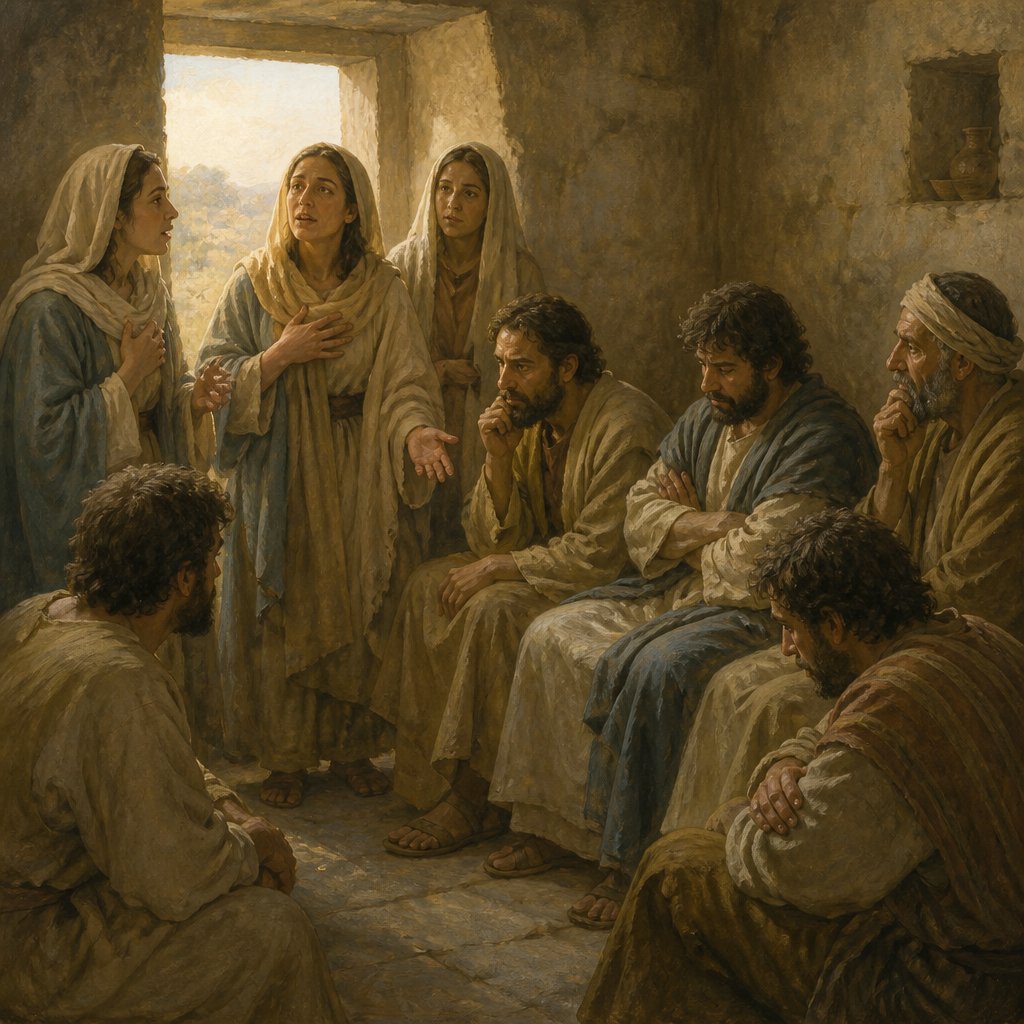
In the quiet stillness of the morning, emotions run high as we navigate the aftermath of tragedy and the history of devotion. The resurrection of Jesus had occurred, yet the followers of Christ were gripped by confusion, fear, and doubt. As recorded in Luke 24:11 (KJV), "And their words seemed to them as idle tales, and they believed them not." This verse brilliantly encapsulates the struggle of belief contrasted with the reality of doubt, a theme as relevant today as it was two thousand years ago.
To fully grasp the weight of this statement, we must first contextualize the events following Jesus' crucifixion. The women who approached the tomb that morning were expectant yet heartbroken. They were carrying spices, intending to anoint the body of their Lord—and yet what they discovered was a gaping tomb and the glorious announcement of the resurrection from angels. Their excitement turned to confusion in the face of what seemed impossible. The joy of the resurrection was intermingled with skepticism as they rushed back to tell the apostles.
How often do we find ourselves in a similar place? Life challenges can leave us feeling disillusioned, skeptical of promises we have known to be true. The apostles received tidings of joy, yet their immediate reaction was disbelief. In their minds, the words of these women were mere idle tales—stories lacking substance or credibility. This response resonates deeply even in our modern experience. We, too, can dismiss profound truths as nonsensical, especially when faced with circumstances that appear bleak.
The disciples had witnessed miracle after miracle with Jesus. They had seen him heal the sick, raise the dead, and perform wonders. And despite this history, when confronted with the greatest miracle of all—the resurrection—they struggled to believe. Why? Because believing in the resurrection meant confronting their fear, it meant opening themselves up to hope once more, and it meant acknowledging the profound and ineffable power of God.
Idle tales. Have you ever felt like the miracles or promises of God were just that—stories, tales told to inspire but lacking in truth? When life becomes heavy, and our burdens weigh us down, holding onto the truth of God’s word can feel daunting. Abundant grace can give way to feelings of inadequacy or ridicule when we are surrounded by the noise of the world declaring our faith as foolishness.
However, this passage invites us to reflect upon the nature of belief. The early disciples’ doubt did not define them; it was part of their journey toward understanding. Doubts arise in all of our journeys. The key is how we respond to them. Instead of casting them aside in shame, we need to bring our doubts into the Light of Christ. Encourage your spirit with prayer and contemplation; invite honest dialogue with God about your feelings of skepticism.
Moreover, our task is to recognize that belief is not simply acknowledgment but an active engagement with the divine. It’s about committing our hearts to God’s truth, regardless of our circumstances. The resurrection story invites us beyond idle tales into a living relationship with a resurrected Savior. When we choose to nurture belief in our hearts, we cultivate the soil for miracles to bloom in our lives.
Imagine the day after that fateful morning: Peter, shaking off disbelief, would later sprint to the tomb. What change transpired in him and his fellow apostles as they grasped this truth? Empowered by the Holy Spirit, their doubts transformed into bold revelations of faith that changed the world.
As we meditate on this passage, let us acknowledge our doubts yet lean into faith. Rather than dismiss God's promises as idle tales, may we seek understanding, allowing the miraculous truth of the resurrection to take root and flourish within us. Let us dare to believe, not just in the empty tomb but in the abundant life that God offers to us today.
Get our apps


Artwork for Luke 24:11

Luke 24:11 - "And their words seemed to them as idle tales, and they believed them not."
"And their words seemed to them as idle tales, and they believed them not." - Luke 24:11

Luke 24:35

Luke 24:13-35
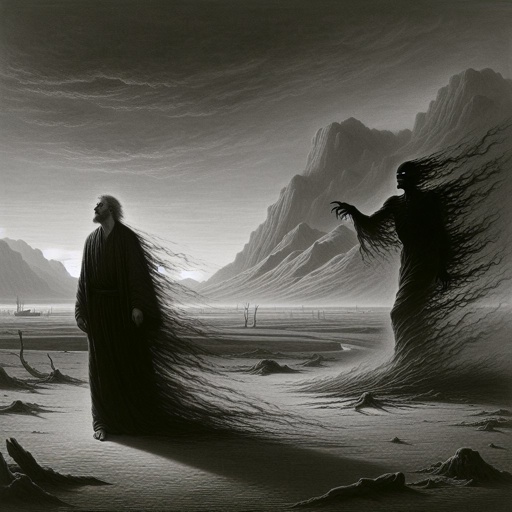
Luke 11:24 - "When the unclean spirit is gone out of a man, he walketh through dry places, seeking rest; and finding none, he saith, I will return unto my house whence I came out."

Luke 24:1

Luke 24:42

Luke 21:24

Luke 13:24

luke 24:17

James 1:2-4

Luke 24:8 - "And they remembered his words,"

Mark 2:4

LUKE 24:41-43

Luke 24:48 - "And ye are witnesses of these things."

Romans 2:4

Luke 11:24 “When an unclean spirit goes out of a man, he goes through dry places, seeking rest; and finding none, he says, ‘I will return to my house from which I came.’

Luke 24:24 - "And certain of them which were with us went to the sepulchre, and found it even so as the women had said: but him they saw not."

James 1: 2-4

Luke 24:3 - "And they entered in, and found not the body of the Lord Jesus."

Luke 23:24 - "And Pilate gave sentence that it should be as they required."

Luke 24:45 - "Then opened he their understanding, that they might understand the scriptures,"

Luke 24:52 - "And they worshipped him, and returned to Jerusalem with great joy:"

Luke 24:16 - "But their eyes were holden that they should not know him."

Luke 24:42 - "And they gave him a piece of a broiled fish, and of an honeycomb."

Luke 24:2 - "And they found the stone rolled away from the sepulchre."

Luke 24:43 - "And he took it, and did eat before them."

Luke 24:37 - "But they were terrified and affrighted, and supposed that they had seen a spirit."

Genesis 24-11

James 2:2-4