What Shall We Do Then? A Call to Action in Faith
“And the people asked him, saying, What shall we do then?” — Luke 3:10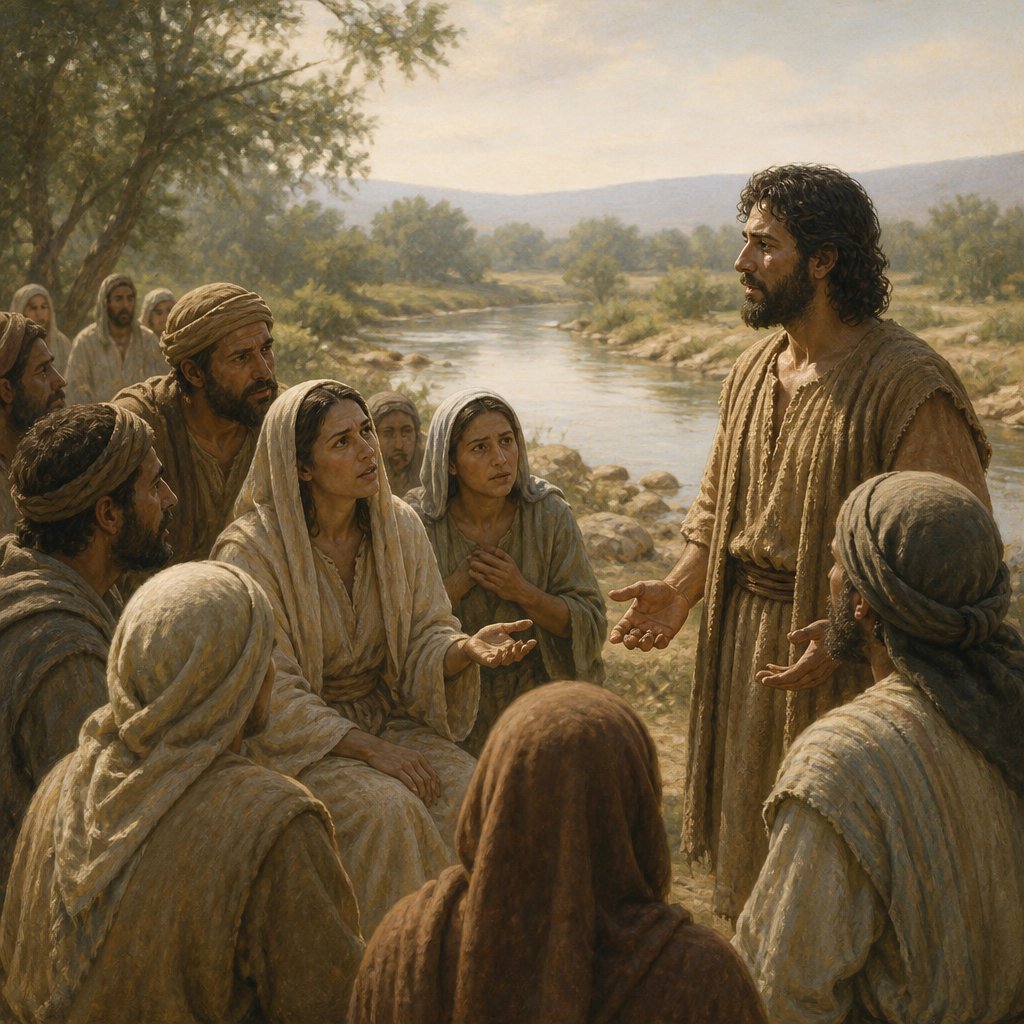
The scripture from Luke 3:10, “And the people asked him, saying, What shall we do then?” serves as a poignant reminder of the nature of true repentance and the practical steps that follow genuine faith. These words emerge from a pivotal moment in the ministry of John the Baptist, a voice crying out in the wilderness, offered to prepare the hearts of the people for the coming of the Messiah. His message was both radical and refreshing, challenging the complacency of human nature and inciting a movement towards a transformative faith.
### Context and Significance
To understand the depth of this inquiry, we must look at the circumstances surrounding it. John the Baptist’s ministry was characterized by a call to repentance and moral living. His preaching stirred the hearts of the people. They were drawn to him, not only by his words but also by the promise of greater things to come. When the people asked, “What shall we do then?” it was a question born out of a recognition of their need for change, a desire to align their lives to the expectations of God. This inquisition resonates through the ages, calling us to reflect on our own lives and actions.
### The Nature of the Question
“What shall we do then?” This question begs for action, for implementation of the teachings and principles shared by John. It is critical to understand that genuine faith is not merely an internal belief but is expressed through tangible actions. In the Gospel teaching, faith without works is dead (James 2:26). The people’s question illustrates an intrinsic understanding that faith is accompanied by obedience—a transformative faith leads to a transformed life.
### John’s Response
In the verses that follow in Luke, John gives practical guidance to the crowds who come to him, a reflection of the moral responsibilities that accompany their newly proclaimed repentance. John instructs the people to produce fruits worthy of repentance (Luke 3:8). He offers specific actions based on the individuals’ circumstances, whether they be tax collectors, soldiers, or common citizens. The rise of personal responsibility in response to faith is a consistent thread throughout the teachings of Christ.
The response of John to the people highlights that God calls us not only to turn away from sin but also to engage actively in good works, embodying the Love of Christ to those around us. His directive was not merely about what to avoid but about what to embrace. It shows a vibrant faith that flows into loving deeds, compassionate acts, and moral uprightness.
### Personal Reflection
As we ponder the question, “What shall we do then?” let us examine our own hearts and lives. Are our faith and actions in alignment? Are we simply consumers of the Word, or do we actively live it out? It is easy to remain in the comfort of belief without letting it shape our daily existence.
This season of reflection invites each of us to consider what God might be challenging us to change, to do differently in our walk with Him. Are there habits to put aside? Relationships to mend? Acts of kindness to pursue? The call to action directed by John remains vibrant in our lives. We are called to love our neighbors, seek justice, and to bear witness to the grace extended to us by our Lord.
### Conclusion
In conclusion, the call of the people in Luke's Gospel is much more than a simple inquiry. It is an urgent and essential question for each follower of Christ: “What shall we do then?” It is a call to action—a reminder that our faith should bear fruit in our lives. May we respond to this divine prompt not with apathy but with determination, ready to reflect the light of Christ in whatever ways He calls us to serve. Let us live out our faith with actionable love, compassion, and righteousness in this world—a world that desperately needs to witness the reality of a life transformed by the gospel.
Get our apps


Artwork for Luke 3:10

Luke 3:10 - "And the people asked him, saying, What shall we do then?"
"And the people asked him, saying, What shall we do then?" - Luke 3:10

Luke 10:3 - "Go your ways: behold, I send you forth as lambs among wolves."
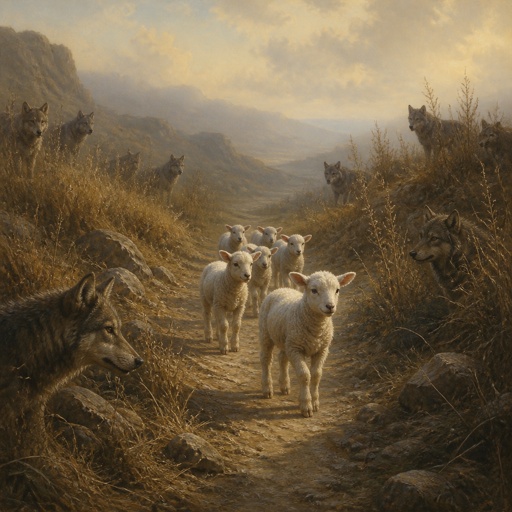
"Go your ways: behold, I send you forth as lambs among wolves." - Luke 10:3

Luke 10:5

Luke 10:5

Luke 10:5

Luke 10:18-19

Luke 10:18-19

Luke 10:18-19

Luke 10:17-19

Luke 10:18-19

Luke 10:18-19

Luke 10:18-19

Luke 10:17-19

Luke 19:10

Luke 2:10

Luke 10:27

Luke 15:10

Luke 17:10

Luke 12:10

Luke 10:18-19

Luke 19:1-10

Luke 11:9-10

Luke 19:1-10

Luke 10:10 - "But into whatsoever city ye enter, and they receive you not, go your ways out into the streets of the same, and say,"

Luke 13:10 - "And he was teaching in one of the synagogues on the sabbath."

african american luke 10:30

luke 3:1-6

Luke 3:1-6