Confronting Darkness: The Cost of Speaking Truth
“But Herod the tetrarch, being reproved by him for Herodias his brother Philip’s wife, and for all the evils which Herod had done,” — Luke 3:19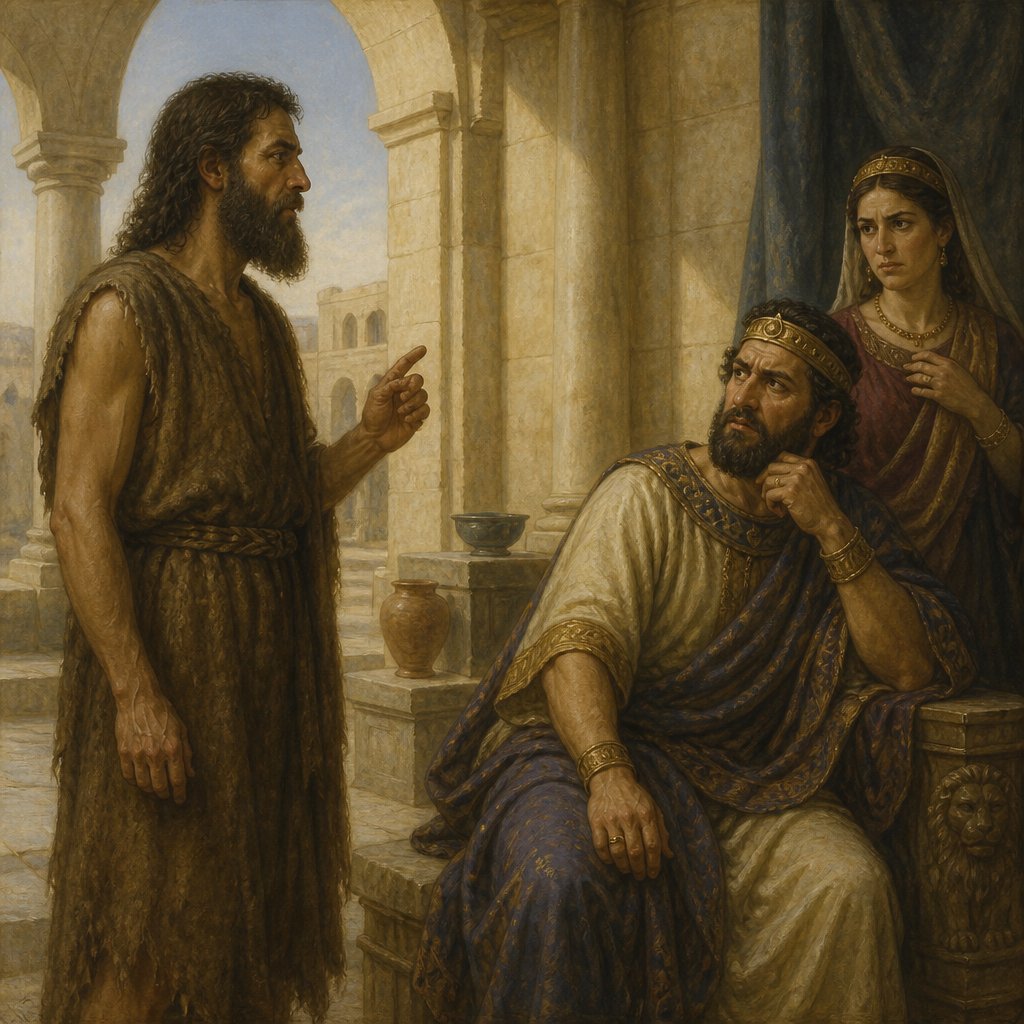
In the Gospel of Luke, chapter 3, verse 19, we encounter a pivotal moment in the ministry of John the Baptist: "But Herod the tetrarch, being reproved by him for Herodias his brother Philip's wife, and for all the evils which Herod had done." This brief yet powerful verse speaks volumes about the nature of righteousness and the burdens that often accompany the proclamation of truth.
First, let’s unpack the context of this verse. John the Baptist stood as a defining figure in the transition from the Old Covenant to the New Covenant. His role was to prepare the way for the Messiah, calling people to repentance and righteous living. His boldness and conviction were evident as he preached in the wilderness. However, his call for repentance was not just directed at the laypeople of Judea but also at the ruling authorities, specifically King Herod Antipas.
Herod the tetrarch ruled during a time fraught with political intrigue and moral decay. He had taken his brother Philip's wife, Herodias, which raised eyebrows not only among the Jewish populace but also according to the laws prescribed in the Old Testament. John’s reproof of Herod was not merely a denunciation; it was a profound act of courage. It highlighted the role of a prophet, who must not shy away from confronting those in positions of power and influence.
Speaking the truth, especially in the face of authority, often comes at a high price. John’s admonition to Herod was a cry for righteousness, calling the tetrarch to account for his actions. Yet, the risk was immense. Herod, who held the power of life and death, would eventually imprison John and later execute him. John’s boldness serves as a reminder that faithfulness to God may result in personal suffering and sacrifice.
This verse compels us to reflect on our own lives. Are we willing to confront the moral failings we see in our own circles? In a time when political correctness often governs discourse, how willing are we to speak the truth, especially when it might lead to personal loss or backlash? The calling of a believer involves more than merely standing by; it requires a deep commitment to righteousness, one that might lead to uncomfortable circumstances for the sake of truth.
John the Baptist's story teaches us that being reproached may come with persecution, not just from external forces but from those we love or respect. When we stand firm in our faith, we may find friends abandoning us or being ostracized from certain circles. However, the integrity of our convictions is far more valuable than any earthly relationship or safety.
Furthermore, consider the moral implications of Herod's actions, which stemmed from his own desires rather than God’s law. In today’s world, we too are frequently faced with choices between our desires and God’s commands. We often find ourselves at the intersection of convenience and conviction. John the Baptist's courageous actions implore us to reflect on the weight of our decisions.
Ultimately, this verse serves as a profound reminder of our call as Christians: to live a life of truth and righteousness in a world full of disbelief and moral ambiguity. God, in His infinite wisdom, doesn’t call us to conformity but to transformation—both personally and in the communities we inhabit. As we walk our daily paths, let us remember John the Baptist’s example, embracing the often painful and difficult duty of speaking the truth.
In closing, let us pray for the courage of John the Baptist—to confront evils in the world with clarity and conviction. May we hold fast to our faith and strive to be voices of truth, even when it seems easier to remain silent. Let us dare to speak about Herodias, and the Herods of our time, with the same prophetic boldness, for we are called to be ambassadors of Christ, standing firm in His truth despite the resistance we may encounter.
Get our apps


Artwork for Luke 3:19
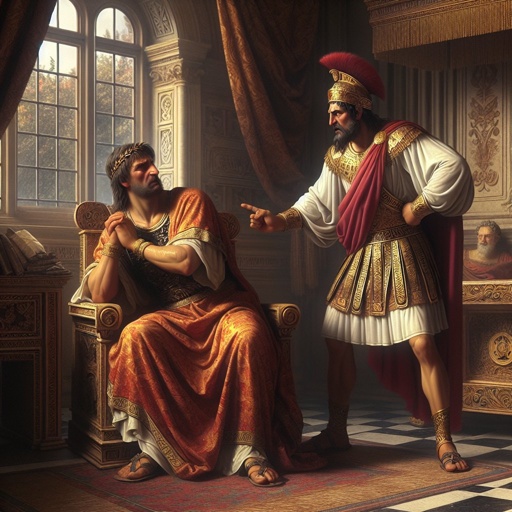
Luke 3:19 - "But Herod the tetrarch, being reproved by him for Herodias his brother Philip's wife, and for all the evils which Herod had done,"
"But Herod the tetrarch, being reproved by him for Herodias his brother Philip's wife, and for all the evils which Herod had done," - Luke 3:19
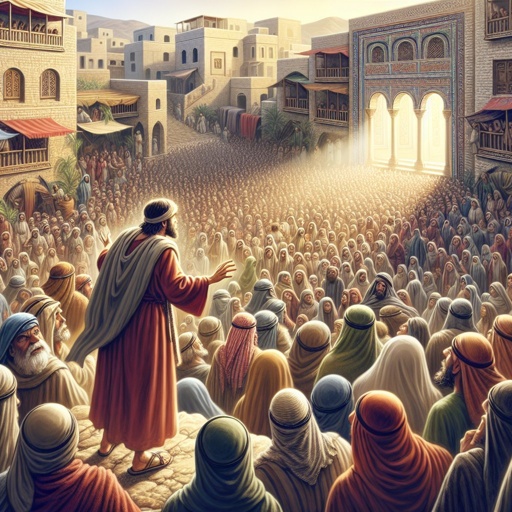
Luke 19:3 - "And he sought to see Jesus who he was; and could not for the press, because he was little of stature."

Luke 10:18-19

Luke 13:18-19

Luke 10:18-19

Luke 10:18-19

Luke 13:18-19

Luke 10:17-19

Luke 10:18-19

Luke 10:18-19

Luke 10:18-19

Luke 10:17-19
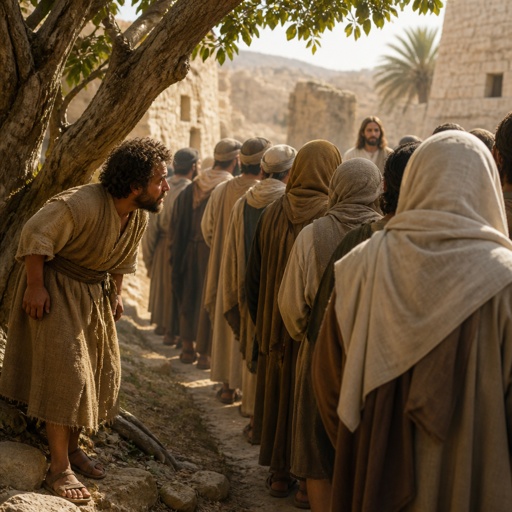
"And he sought to see Jesus who he was; and could not for the press, because he was little of stature." - Luke 19:3

Luke 19:23

Luke 1:19

Luke 19:23

Luke 19:19 - "And he said likewise to him, Be thou also over five cities."

Luke 19:10

Luke 1:19

Luke 19:28

Luke 1:19

luke 21:5-19

Luke 19:1-10

Luke 10:18-19

Luke 19:1-10

Luke 21:15-19

Luke 4:19 - "To preach the acceptable year of the Lord."

Luke 19:34 - "And they said, The Lord hath need of him."

Luke 19:36 - "And as he went, they spread their clothes in the way."