The Unseen Legacy: Finding Purpose in the Ancestry of Jesus
“Which was the son of Mattathias, which was the son of Amos, which was the son of Naum, which was the son of Esli, which was the son of Nagge,” — Luke 3:25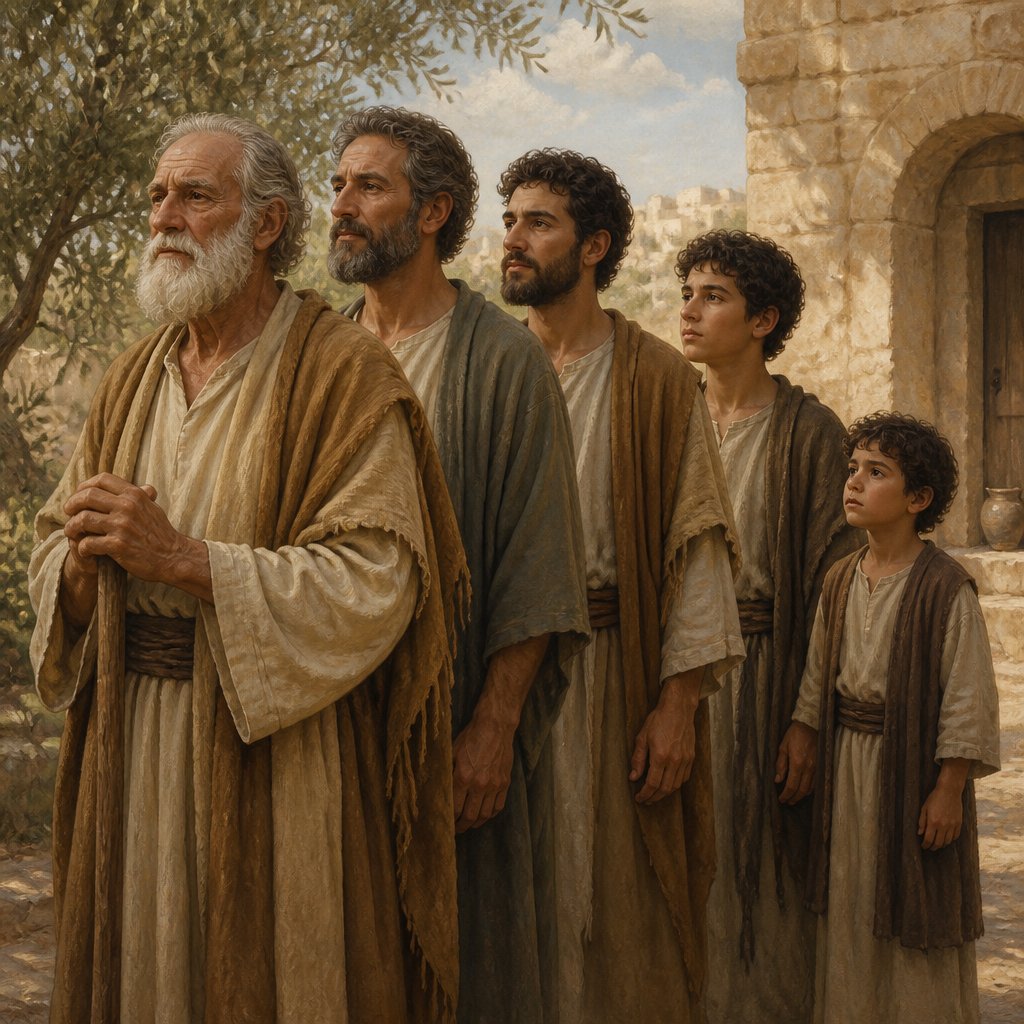
When we delve into the genealogies found in Scripture, such as the one in Luke 3:25, we often encounter names that seem obscure and facts that appear redundant. In the King James Version, the verse reads: "Which was the son of Mattathias, which was the son of Amos, which was the son of Naum, which was the son of Esli, which was the son of Nagge." Here, we glimpse a line of lineage stretching back in time, a measurement of history that we may view with indifference. However, there is profound significance and relevance in these names that goes beyond the surface.
When we reflect on this genealogy, it is essential to remember that Luke, as the writer of this Gospel, intended to paint a comprehensive portrait of Jesus—not just as our Savior but as someone who is intricately linked to our human history. Genealogies in the Bible serve several purposes: they define identities, connect us to our heritage, and demonstrate God’s covenant with His people through generations. This passage serves as a reminder that Jesus did not materialize in a vacuum; He came from a specific lineage filled with stories, struggles, and experiences that shaped who He would be in His earthly ministry.
### The Purpose of Ancestry
In Luke 3:25, we see names that may not be well-known; however, each one tells a story. Mattathias, Amos, Naum, Esli, and Nagge are not just ancient figures; they represent a continuum of faith, hope, and perseverance. When we trace the family line back through the Old Testament, we realize that Jesus, the Messiah, is the fulfillment of God’s promises made long before His birth. Each name in the lineage signifies a piece of God’s redemption plan unfolding across millennia.
The genealogy teaches us that everyone has a role to play in God’s story. Just because we are not in the spotlight does not mean that our lives lack importance. God knows our struggles, our victories, and the legacy we are building for future generations. It's powerful to acknowledge that even in our anonymity or in the mundane, we are part of something greater than ourselves. This reality encourages us to live with intention, knowing our choices and actions have lasting impacts.
### God's Sovereignty in History
Consider all the life experiences encapsulated in just these few names. Mattathias, for example, could represent courage, as he led a revolt against oppression. Amos may remind us of prophetic warnings and the call to righteousness. Naum could symbolize the unexpected, and Esli and Nagge could embody the faithful but unseen believers who lived quietly in service to God. Each individual’s contribution, whether monumental or humble, played a role in God’s sovereign plan and leading up to Jesus.
In our lives, much like in this genealogy, there are moments that might seem insignificant. Yet we must remember that every small act of faithfulness and every expression of love accumulates in the economy of God’s kingdom. Our mundane prayers, acts of service, and love for others might seem trivial, but in the grand scope of God’s redemptive history, they contribute to His story. God uses the ordinary to achieve the extraordinary, as seen throughout the Bible.
### Affirmation of our Own Legacy
As we reflect on Luke 3:25, let it encourage us not to overlook our personal legacy. What are we leaving behind? How do we want to be remembered? We are all part of a lineage that connects to Christ—each life a testament to faith in action. As spiritual descendants of those who walked before us, we have the privilege and responsibility to pass down our faith and values to future generations.
In conclusion, let us not disregard these seemingly insignificant aspects of Scripture. Each name, each story, matters to God. Through them, we find our identity in Christ, reminding us that even the least recognized figures can have roles in the unfolding of God’s divine story. Let us strive to leave a legacy that glorifies Him and inspires faith in those who follow.
Get our apps


Artwork for Luke 3:25

Luke 3:25 - "Which was the son of Mattathias, which was the son of Amos, which was the son of Naum, which was the son of Esli, which was the son of Nagge,"
"Which was the son of Mattathias, which was the son of Amos, which was the son of Naum, which was the son of Esli, which was the son of Nagge," - Luke 3:25

Luke 1:25

Luke 1:25

Luke 1:25

Luke 12:25

Luke 1:25
Luke 12:25

Luke 1:25

Luke 12:25-26
Luke 12:25-26

Luke 12:25-26

Luke 12:25-26

Luke 12:25-26

Luke 12:25-26

Luke 14:25 - 33

Luke 12:25-26

Luke 11:25 - "And when he cometh, he findeth it swept and garnished."

Luke 19:25 - "(And they said unto him, Lord, he hath ten pounds.)"

Luke 17:25 - "But first must he suffer many things, and be rejected of this generation."

Luke 14:25 - "¶ And there went great multitudes with him: and he turned, and said unto them,"

Genesis 25-3

Daniel 3:25

Luke 12:25 - "And which of you with taking thought can add to his stature one cubit?"

Luke 9:25 - "For what is a man advantaged, if he gain the whole world, and lose himself, or be cast away?"

Luke 18:25 - "For it is easier for a camel to go through a needle's eye, than for a rich man to enter into the kingdom of God."

Luke 24:25 - "Then he said unto them, O fools, and slow of heart to believe all that the prophets have spoken:"

Luke 21:25 - "¶ And there shall be signs in the sun, and in the moon, and in the stars; and upon the earth distress of nations, with perplexity; the sea and the waves roaring;"

Luke 15:25 - "Now his elder son was in the field: and as he came and drew nigh to the house, he heard musick and dancing."

luke 3:1-6