The Cleansing Grace: Lessons from Naaman the Syrian
"And many lepers were in Israel in the time of Eliseus the prophet; and none of them was cleansed, saving Naaman the Syrian." - Luke 4:27
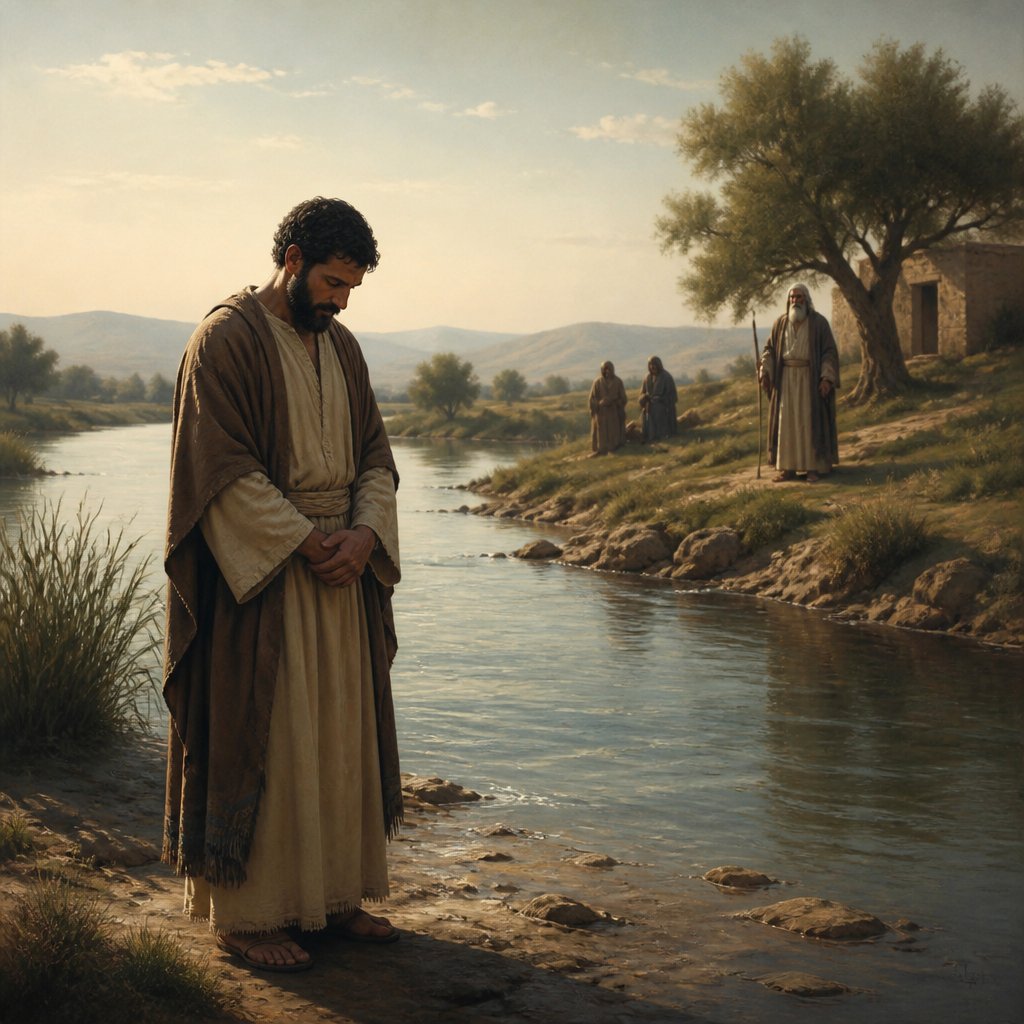
In the Gospel of Luke chapter 4, verse 27, it is stated in the King James Version: "And many lepers were in Israel in the time of Eliseus the prophet; and none of them was cleansed, saving Naaman the Syrian." This verse carries deep significance, as it not only recounts a historical event but also illustrates profound spiritual truths that can encourage believers today.
In the biblical narrative, leprosy was a dreaded disease, often associated with shame, rejection, and being ostracized from society. Lepers were considered unclean and were forced to live away from the community. The mention of lepers in Israel during the time of the prophet Eliseus highlights God's people grappling with this painful condition, yet it is Naaman, a foreigner and a Syrian, who is healed. Through this message, we glean unique insights into the nature of God’s grace and His willingness to extend it to those who might seem out of reach or undeserving.
Naaman's story is found in the Old Testament in 2 Kings 5. He was a mighty warrior and esteemed leader in the Syrian army, yet he was afflicted with leprosy. This juxtaposition reveals that even those who appear to have it all together can experience profound issues that require divine intervention. Naaman’s position and power could not save him from his plight; it was a condition that demanded a solution beyond what earthly skills could provide. Isn’t it intriguing that God often uses circumstances that confront our strengths to reveal our weaknesses?
When Naaman heard from a young Israelite girl about a prophet who could heal him, he was filled with hope and pursued Eliseus (Elisha) in Israel. The journey to healing was not merely a physical one; it was also a journey of faith and humility. Naaman arrived with expectations of grandeur, only to be met with a simple instruction: "Go and wash in the Jordan seven times" (2 Kings 5:10). Initially, he was indignant. Such simplicity didn't fit his understanding of healing, nor did it accord with his pride as a commander. However, his servant's gentle persuasion encouraged him to obey. This moment of humility is a reminder that God often operates outside our expectations to teach us the true essence of faith.
The cleansing that Naaman experienced by dipping himself in the Jordan River juxtaposes the spiritual cleansing available through Christ. Just as Naaman needed to submit to the prophet’s guidance, we too must acknowledge our need for God and be willing to follow His instructions, often found within Scripture or through the counsel of others.
Furthermore, this story illustrates that God's grace is not confined to the boundaries of Israel. It extends to all humanity, including those whom society might overlook or reject. The fact that Naaman, a Syrian, received healing serves as a profound reminder of God’s inclusive love. It reflects the heart of the Gospel—while the Jews were considered God's chosen people, His desire for redemption reaches beyond any ethnic or cultural confines. Just as Naaman was cleansed from leprosy, each of us can be cleansed from our sins, as we look to Jesus, the ultimate healer.
As we meditate on Luke 4:27, let us consider our own hearts. Are there areas we have deemed 'unclean' or unworthy of God’s touch? Are there aspects of our lives we believe are beyond redemption? Naaman's story reassures us that no person is out of reach from God's cleansing grace. He invites us to bring our leprous wounds, seen or unseen, to Him. It may take humility, perhaps shedding our pride or laying down our expectations, but the promise remains: those who seek Him will find healing.
In conclusion, let us be inspired by Naaman’s journey. May we embrace the call to humility, seek the Lord with a willing heart, and trust in the abundant grace available through Christ. In doing so, we, too, can experience the transformative power of divine cleansing.
Want to reflect more on Luke 4:27?
Continue your spiritual journey with Bible Chat — an AI-powered tool for exploring God's Word through conversation. Ask questions, discover connections, and deepen your understanding.
Get Our Apps


Luke 4:27 Artwork

Luke 4:27 - "And many lepers were in Israel in the time of Eliseus the prophet; and none of them was cleansed, saving Naaman the Syrian."
"And many lepers were in Israel in the time of Eliseus the prophet; and none of them was cleansed, saving Naaman the Syrian." - Luke 4:27

luke 1:27

luke 6: 27

Luke 10:27

Luke 6: 27-38

Luke 6:27-38

Luke 13:28-27

Luke 13:28-27

Luke 13:28-27

Luke 18:27 - "And he said, The things which are impossible with men are possible with God."

Luke 21:27 - "And then shall they see the Son of man coming in a cloud with power and great glory."

Galatians 4:24-27

Luke 20:27 - "¶ Then came to him certain of the Sadducees, which deny that there is any resurrection; and they asked him,"

Luke 20:27-38. All people of color.

Luke 23:27 - "¶ And there followed him a great company of people, and of women, which also bewailed and lamented him."

Luke 14:27 - "And whosoever doth not bear his cross, and come after me, cannot be my disciple."

Luke 1:27 - "To a virgin espoused to a man whose name was Joseph, of the house of David; and the virgin's name was Mary."

Luke 24:27 - "And beginning at Moses and all the prophets, he expounded unto them in all the scriptures the things concerning himself."

Ephesians 4:27 - "Neither give place to the devil."

Luke 4:29

Luke 4:18

luke 4:16

Luke 4:18

Luke 16:27 - "Then he said, I pray thee therefore, father, that thou wouldest send him to my father's house:"

Luke 2:27 - "And he came by the Spirit into the temple: and when the parents brought in the child Jesus, to do for him after the custom of the law,"

Leviticus 27:4 - "And if it be a female, then thy estimation shall be thirty shekels."

Luke 9:27 - "But I tell you of a truth, there be some standing here, which shall not taste of death, till they see the kingdom of God."

Luke 3:27 - "Which was the son of Joanna, which was the son of Rhesa, which was the son of Zorobabel, which was the son of Salathiel, which was the son of Neri,"

Luke 6:27 - "¶ But I say unto you which hear, Love your enemies, do good to them which hate you,"