The Divine Dinner Invitation for the Uninvited
“But unto none of them was Elias sent, save unto Sarepta, a city of Sidon, unto a woman that was a widow.” — Luke 4:26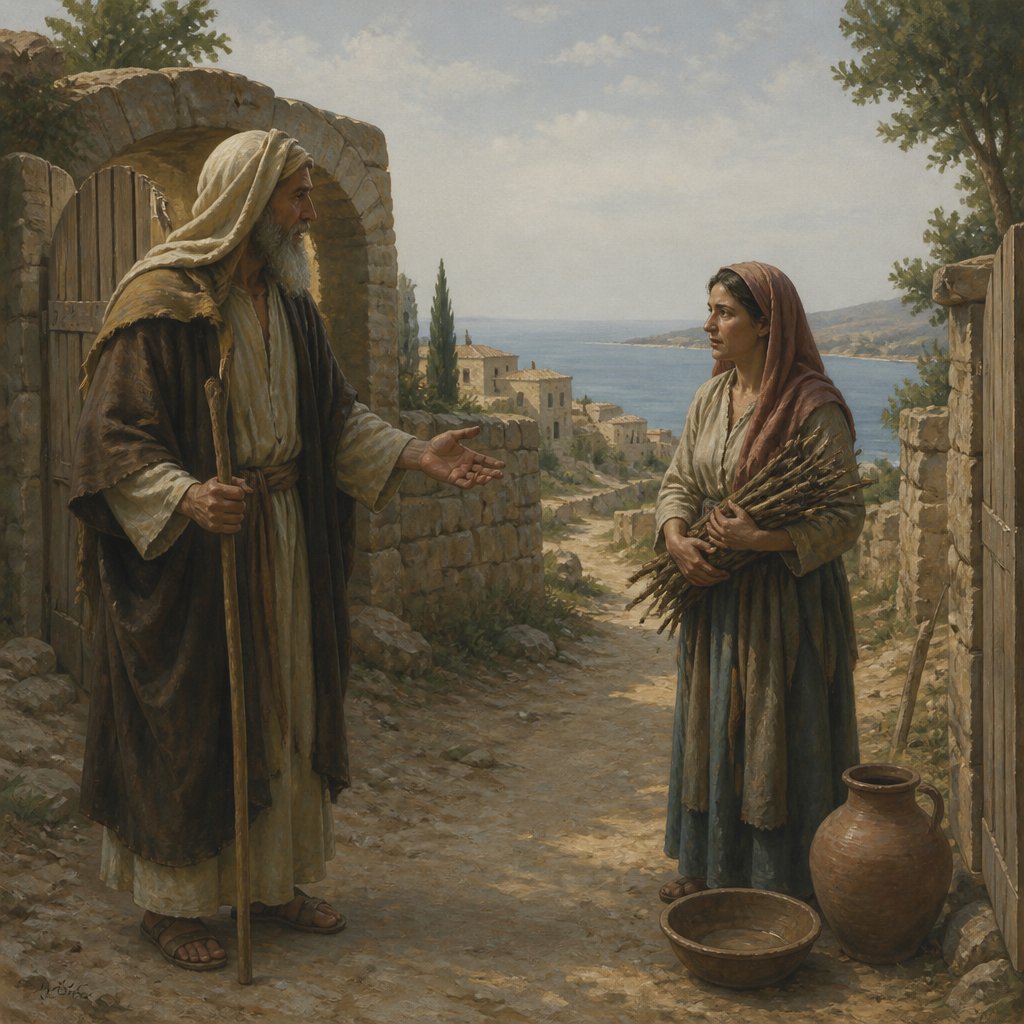
In Luke 4:26, we encounter a profound statement made by Jesus, where He says, "But unto none of them was Elias sent, save unto Sarepta, a city of Sidon, unto a woman that was a widow." This verse contains tremendous theological and social significance, as it speaks of God’s providential care and the inclusive love of His grace.
To fully grasp the meaning of this passage, we must first consider the historical context surrounding the prophet Elijah (Elias) and the widow of Sarepta. The Old Testament narrative (1 Kings 17) introduces us to a time of great famine and spiritual decline in Israel. Despite the multitude of needy people in Israel, God chose to send Elijah not to them, but rather to a Gentile widow in a foreign city. This is both startling and revealing.
In a biblical world where Israel believed themselves to be the chosen people of God, it might be easy to presume that God would only help His own chosen ones. Yet, right here, we see God’s heart for the marginalized and the outsider. The widow, a single woman without a husband’s protection, lived in Sidon, a place outside of Israel, bordering the realm of the Gentiles. This raises a critical question: why did God choose to send His prophet to this widow in Sarepta?
The answer lies in understanding that God’s grace transcends earthly barriers and expectations. The widow was in a dire situation—facing starvation with little hope of rescue. In her vulnerability, she is a beautiful picture of desperation that so many of us can relate to. Life has a way of placing us in positions where we feel we have nothing left to give. Yet it is in our brokenness that we often find God’s provision.
This narrative exemplifies how God sees not just the physical needs, but also the conditions of the heart. The widow of Sarepta expresses her need and helplessness. When Elijah arrives, she is gathering sticks to prepare a final meal for herself and her son before they succumb to starvation. God sent the prophet Elijah to her precisely because of her plight. This was not merely about physical survival; it was about awakening hope, faith, and trust in the living God.
It is easy for us to overlook those who are considered unworthy or inconsequential in society. We may tend to think of God’s blessings and messages as meant for specific people within the church or community—those who seem faithful and deserving. However, this passage teaches us that God’s grace is remarkably radical. It is an unconditional invitation extended to all, including those we deem ‘unworthy.’
Moreover, Jesus uses this example in Luke to highlight the resistance He faced from His own people. The townsfolk in Nazareth, where He grew up, were skeptical of His ministry and message. By citing the widow of Sarepta, He reminds them that God’s work and love are not confined to a particular group, insisting that the gospel is for anyone willing to believe, regardless of their background or status.
As believers today, this verse serves as both a challenge and a comfort. It calls us to examine our perspectives toward those we encounter in our lives. Who have we overlooked in our journey? Are there those outside our comfort zone to whom God is sending us? In addition, it reassures us that our needs, regardless of how insignificant they may seem, never escape God’s attention.
Let us embrace this divine invitation to witness God’s miraculous provisions in our lives today. Like the widow of Sarepta, may we come to Him with our needs and expectations, however lowly or desperate they may be. God takes the overlooked and the outcast, turning them into vessels of His grace and mercy. May we, too, see the world through His eyes and offer a hand to those in need, as Elijah did. For it is in our response to the uninvited that we truly extend His love and presence in the world.
Get our apps


Artwork for Luke 4:26

Luke 4:26 - "But unto none of them was Elias sent, save unto Sarepta, a city of Sidon, unto a woman that was a widow."
"But unto none of them was Elias sent, save unto Sarepta, a city of Sidon, unto a woman that was a widow." - Luke 4:26

luke 1:26

luke 1:26

Luke 1:26

Luke 12:25-26

Luke 12:25-26

Luke 16:22-26

Luke 12:25-26

Luke 6:21-26

Luke 12:25-26

Luke 12:25-26

Luke 6:21-26
Luke 12:25-26

Luke 12:25-26

Luke 5:17-26

Luke 18:26 - "And they that heard it said, Who then can be saved?"

Luke 8:26 - "¶ And they arrived at the country of the Gadarenes, which is over against Galilee."

Luke 17:26 - "And as it was in the days of Noe, so shall it be also in the days of the Son of man."

Luke 15:26 - "And he called one of the servants, and asked what these things meant."

Luke 10:26 - "He said unto him, What is written in the law? how readest thou?"

Luke 12:26 - "If ye then be not able to do that thing which is least, why take ye thought for the rest?"

"And they that heard it said, Who then can be saved?" - Luke 18:26

Deuteronomy 26:4-10

Luke 20:26 - "And they could not take hold of his words before the people: and they marvelled at his answer, and held their peace."

Luke 1:26 - "And in the sixth month the angel Gabriel was sent from God unto a city of Galilee, named Nazareth,"

Leviticus 26: 4-6

Deuteronomy 26:4-10

Leviticus 26: 4-6

Leviticus 26: 4-6