From Acceptance to Anger: The Journey of the Heart
“And all they in the synagogue, when they heard these things, were filled with wrath,” — Luke 4:28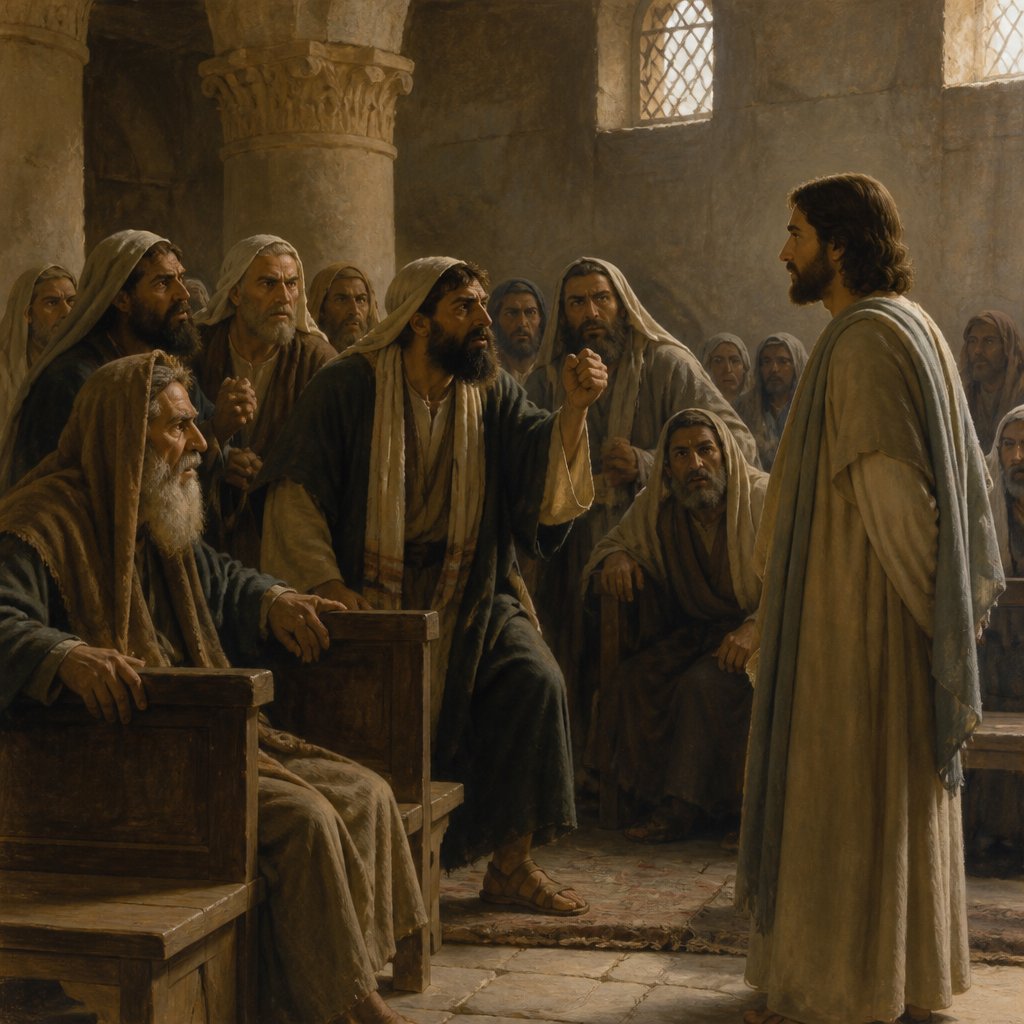
In the Gospel of Luke, we find a compelling narrative about the human condition and the response of our hearts to truth. Luke 4:28 states, "And all they in the synagogue, when they heard these things, were filled with wrath." This verse marks a pivotal moment in Jesus' ministry—a moment when the crowd, who had initially marveled at His gracious words, abruptly turned against Him, revealing a profound truth about the nature of acceptance, rejection, and the anger that often accompanies the exposure of our true selves.
The setting of this verse is crucial for understanding its significance. Jesus had just returned to His hometown of Nazareth, where He entered the synagogue on the Sabbath. He read from the scroll of Isaiah, proclaiming that He had come to bring good news to the poor, heal the brokenhearted, and proclaim liberty to the captives (Luke 4:18). Initially, the people responded with amazement, recognizing Him as Joseph's son and marveling at His gracious words. But when He began to speak about the rejection of prophets and referenced how God's grace extended beyond Israel to the Gentiles, their amazement quickly turned into anger.
This transformation from admiration to hostility challenges us to reflect on our own responses to God's truth. Often, we come to church, engage in Bible study, or hear a powerful sermon that resonates with us. We might feel inspired, uplifted, or even challenged. However, when the message confronts our comfort zones or calls us to a deeper level of commitment, how do we react?
The wrath of the synagogue attendants illustrates a profound truth: the acceptance of God's word is often conditional. We are quick to embrace the aspects of Scripture that affirm our beliefs or comfort us but can become defensive or enraged when confronted with challenging truths about our lives or society. The crowd’s fury reveals an unwillingness to see God’s work extend beyond their own expectations and understanding. They were not ready to let go of their status, their traditions, or their preconceived notions of who should receive God's grace.
In today's world, we face similar tensions. The message of Jesus is still revolutionary and poignant. It invites us to rethink our assumptions and biases, pushing us to consider those we might unjustly exclude. The gospel is inclusive, often confronting the very walls we build around ourselves based on ethnicity, socio-economic status, or belief systems. When we hear that God offers His grace widely—to the marginalized, the lost, and those we deem unworthy—we may find ourselves wrestling with feelings of jealousy or indignation, much like those in Nazareth.
In our own lives, we must ask ourselves the hard questions: Are we filled with wrath when God’s truth challenges our personal narratives? Are we resistant to the expansive reach of God’s grace? Embracing the fullness of the gospel means relinquishing the need for control, acknowledging that God’s ways are higher than our ways (Isaiah 55:8-9), and recognizing that His love is not bound by our limited understanding.
Ultimately, wrath in the face of gospel truth can lead to spiritual stagnation. We become like the synagogue crowd, unable to see the marvelous workings of God through anger and disbelief. Instead of allowing our emotions to lead to destruction, we are called to humility, repentance, and openness to the work of the Holy Spirit within us.
In concluding this reflection, let us seek to be a people who welcome the truth of God’s Word, even when it convicts or challenges us. Let us lay down our wrath and rejoice in the grace that envelops us all. May we find that the path to acceptance of God’s radical love often starts with confronting our own anger and pride, thereby paving the way for deeper faith, understanding, and compassion for all of God’s creation.
Get our apps


Artwork for Luke 4:28

Luke 4:28 - "And all they in the synagogue, when they heard these things, were filled with wrath,"
"And all they in the synagogue, when they heard these things, were filled with wrath," - Luke 4:28

Luke 20:28

Luke 19:28

luke 13:28-37

Luke 13:28-27

Luke 13:28-27

Luke 13:28-27

Luke 9:28-45

luke 13:28-37

Luke 5:28 - "And he left all, rose up, and followed him."

Luke 22:28 - "Ye are they which have continued with me in my temptations."

Luke 2:28 - "Then took he him up in his arms, and blessed God, and said,"

Luke 18:28 - "Then Peter said, Lo, we have left all, and followed thee."

Luke 11:28 - "But he said, Yea rather, blessed are they that hear the word of God, and keep it."

Exodus 28:4

Exodus 28:4

Exodus 28:4

Exodus 28:4

Luke 6:28 - "Bless them that curse you, and pray for them which despitefully use you."

Luke 17:28 - "Likewise also as it was in the days of Lot; they did eat, they drank, they bought, they sold, they planted, they builded;"

Luke 15:28 - "And he was angry, and would not go in: therefore came his father out, and intreated him."

Luke 19:28 - "¶ And when he had thus spoken, he went before, ascending up to Jerusalem."

Ezekiel 1:4-28

Luke 10:28 - "And he said unto him, Thou hast answered right: this do, and thou shalt live."

Luke 23:28 - "But Jesus turning unto them said, Daughters of Jerusalem, weep not for me, but weep for yourselves, and for your children."

Daniel 4:28 - "¶ All this came upon the king Nebuchadnezzar."

Ezekiel 1:4-28 – The vision of the four living creatures and the wheels.

Luke 24:28 - "And they drew nigh unto the village, whither they went: and he made as though he would have gone further."

Luke 16:28 - "For I have five brethren; that he may testify unto them, lest they also come into this place of torment."