Worship: The Ultimate Battle Against Temptation
"And Jesus answered and said unto him, Get thee behind me, Satan: for it is written, Thou shalt worship the Lord thy God, and him only shalt thou serve." - Luke 4:8
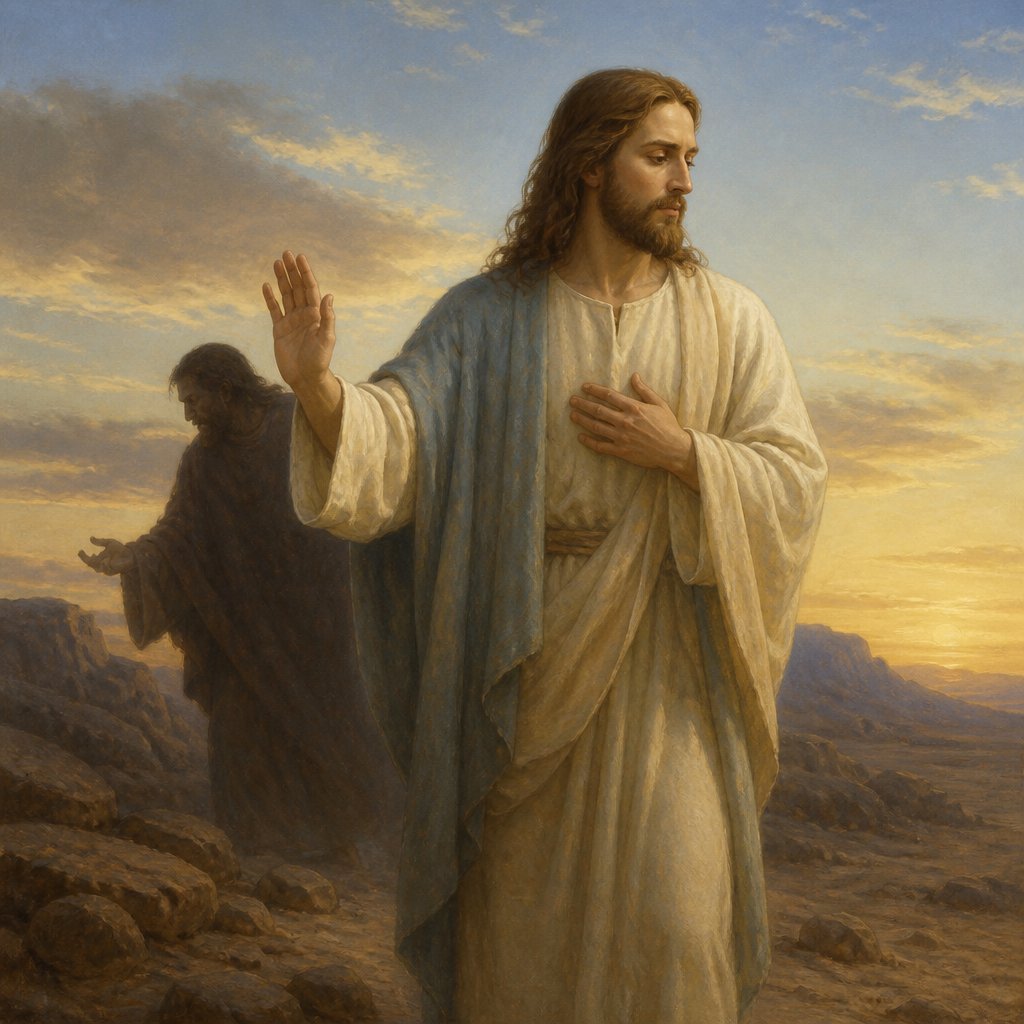
In the wilderness, as recorded in Luke 4:8, we encounter a moment of profound significance, where Jesus demonstrates His unwavering commitment to God amidst the temptations of the enemy. The verse states, "And Jesus answered and said unto him, Get thee behind me, Satan: for it is written, Thou shalt worship the Lord thy God, and him only shalt thou serve." Here, we see Jesus confronting the very embodiment of evil—Satan—who seeks to divert Him from His divine purpose through temptation.
This passage is foundational to understanding the nature of our own spiritual battles. Jesus was unyielding in His response to temptation, reminding us that worship is not merely a ritualistic act, but the core of our spiritual identity. When Satan challenged Him, Jesus did not engage in a philosophical debate; instead, He drew upon the authority of Scripture, emphasizing that worship belongs exclusively to God. This declaration reveals a powerful truth: the act of worship is intrinsically linked to our service. To serve God is to worship Him; to worship Him is to acknowledge His sovereignty and align our lives with His will.
In this response, Jesus quotes from the Torah (Deuteronomy 6:13), a scripture deeply embedded in Jewish culture. This context reminds us that Jesus was grounded in His faith, equipped with knowledge and understanding of God's word. His recitation was not just an assertion but an embodiment of His mission to glorify God above all else. Through His declaration, "Get thee behind me, Satan," Jesus categorically rejects any attempt to usurp God's rightful place in our lives. This phrase serves as a model for believers facing their own daily temptations. When confronted with choices that lead us away from God, we are called to assertively declare our loyalty to the Lord.
Moreover, this incident in the wilderness illustrates the reality of spiritual warfare. Temptation is a daily challenge for the disciple of Christ, and the enemy is always seeking to undermine our faith. The ways in which we might experience temptation can vary—materialism, pride, lust, or even the human tendency to control rather than trust God. Each of these temptations begs for our worship and allegiance, pulling us away from the singular devotion we owe to our Creator.
As we meditate on this verse, we are reminded that worship involves sacrifice—it is the offering of our entire being to God as living sacrifices (Romans 12:1). It is about the choices we make each day that reflect our priorities. When we choose to worship God alone, we counteract the allure of distractions that seek to take His place in our affections. God calls us into a deep, personal relationship with Him, whereby our worship becomes the lifeblood of our service to Him and the world.
Jesus’ command to worship God alone should also inspire us to evaluate what we serve in our lives today. Are we more devoted to our work, relationships, or worldly pursuits than we are to God? The sincere act of worship leads us to a heart of service that genuinely reflects God’s love and grace to others. It releases a transformative power that can influence not only our lives but also those around us.
Let us take this message to heart as we walk through our days, facing trials and temptations. Let us practice worship as an act of surrender and service, resisting the temptation to serve our desires. We must hold fast to the truth that true worship leads to a life that embodies the Great Commandment to love God with all our heart, soul, and strength (Mark 12:30). Through this devotion, may we declare alongside Jesus that our worship is solely due to the Lord, for it is in Him alone that we find our purpose and identity.
As we conclude, let us commit ourselves anew to worshiping only the Lord, for in doing so, we put ourselves firmly behind Him, engaging in the victory already won through Christ, who faced the ultimate battle for our souls.
Want to reflect more on Luke 4:8?
Continue your spiritual journey with Bible Chat — an AI-powered tool for exploring God's Word through conversation. Ask questions, discover connections, and deepen your understanding.
Get Our Apps


Luke 4:8 Artwork

Luke 4:8 - "And Jesus answered and said unto him, Get thee behind me, Satan: for it is written, Thou shalt worship the Lord thy God, and him only shalt thou serve."
"And Jesus answered and said unto him, Get thee behind me, Satan: for it is written, Thou shalt worship the Lord thy God, and him only shalt thou serve." - Luke 4:8

Luke 8:4-18
Luke 8:4 - "¶ And when much people were gathered together, and were come to him out of every city, he spake by a parable:"

Luke 8:5-8

Luke 8:16

Luke 8:11

Luke 8:17

Luke 8:13

Luke 8:13

Luke 8:13

Luke 24:8 - "And they remembered his words,"

Luke 2 v 8
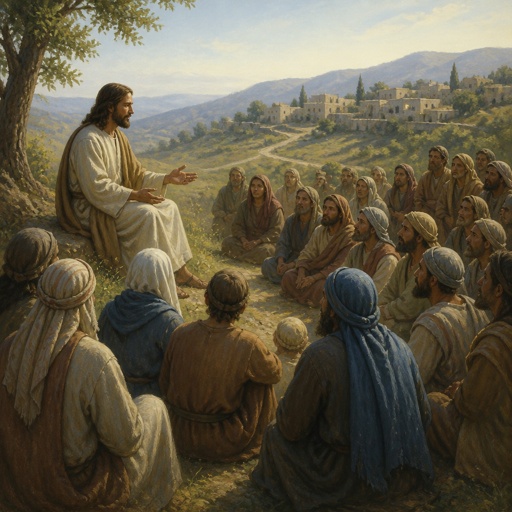
"¶ And when much people were gathered together, and were come to him out of every city, he spake by a parable:" - Luke 8:4

Luke 4:29

Luke 4:18

luke 4:16

Luke 4:18

Luke 8:11 - "Now the parable is this: The seed is the word of God."

Luke 15: 4-7

Luke 8:53 - "And they laughed him to scorn, knowing that she was dead."

Luke 4:19 - "To preach the acceptable year of the Lord."

Luke 4:44 - "And he preached in the synagogues of Galilee."

Luke 8:26 - "¶ And they arrived at the country of the Gadarenes, which is over against Galilee."

Luke 4:4 - "And Jesus answered him, saying, It is written, That man shall not live by bread alone, but by every word of God."
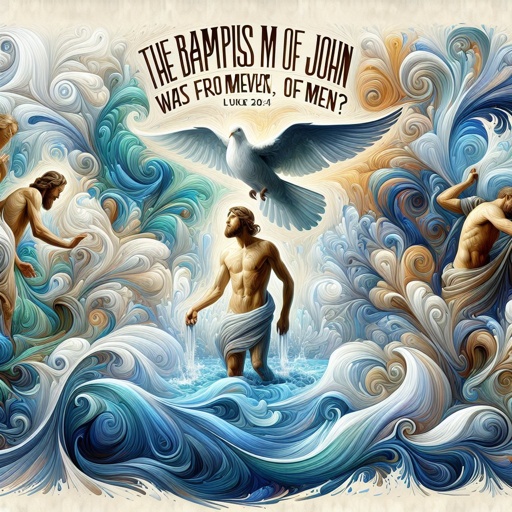
Luke 20:4 - "The baptism of John, was it from heaven, or of men?"

Luke 8:9 - "And his disciples asked him, saying, What might this parable be?"
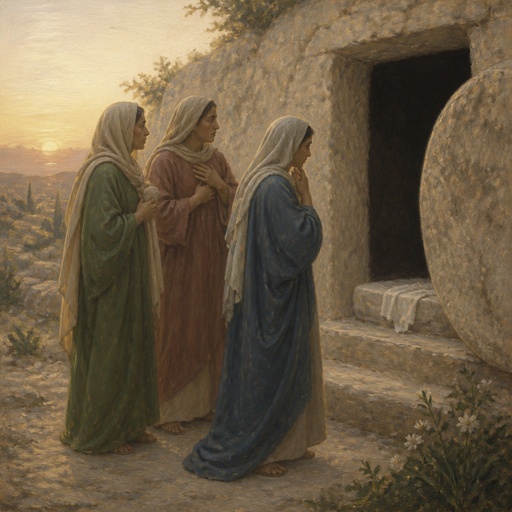
"And they remembered his words," - Luke 24:8

Luke 8:7 - "And some fell among thorns; and the thorns sprang up with it, and choked it."

James 4:8