The Power of Obedience: A Divine Testimony
"And he charged him to tell no man: but go, and shew thyself to the priest, and offer for thy cleansing, according as Moses commanded, for a testimony unto them." - Luke 5:14
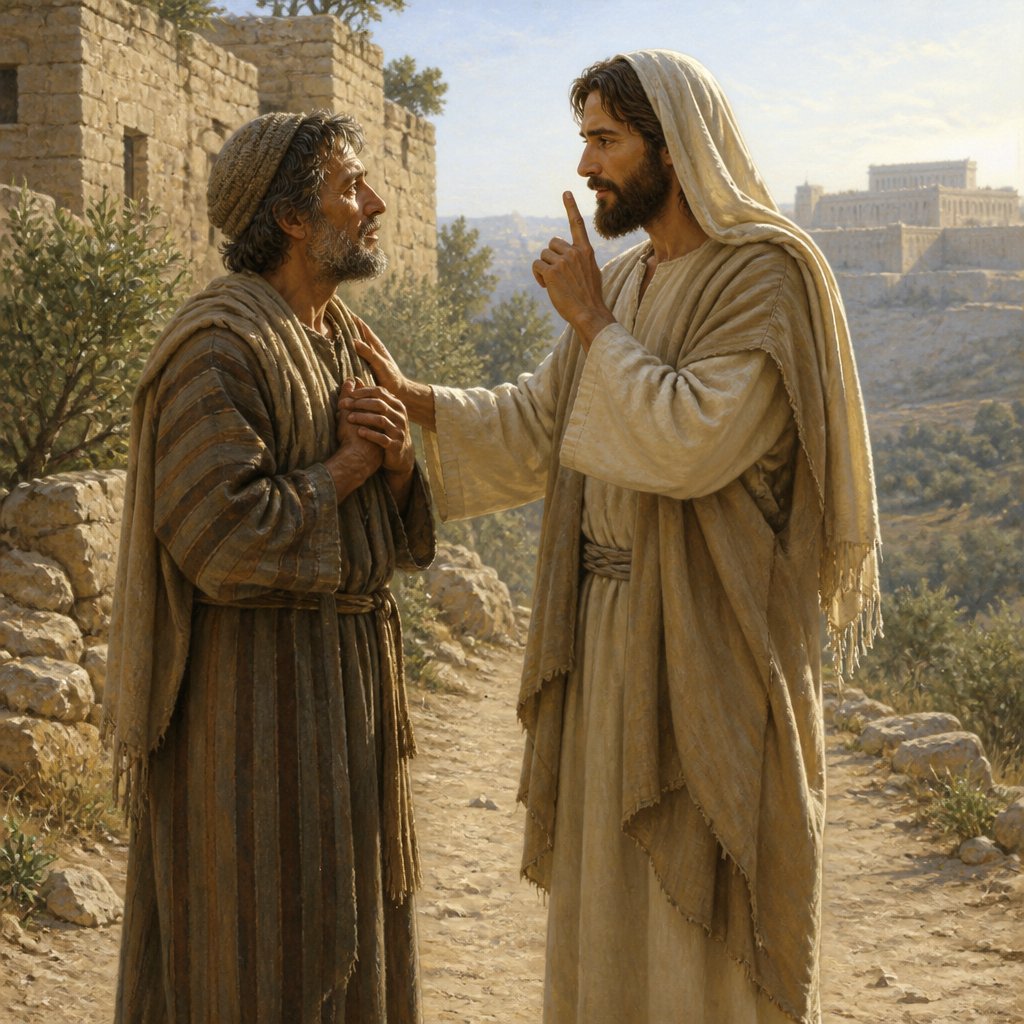
In Luke 5:14, we encounter a profound moment in the life of Jesus as He interacts with a leper, a man who had been marginalized, outcast, and without hope. The verse states: "And he charged him to tell no man: but go, and shew thyself to the priest, and offer for thy cleansing, according as Moses commanded, for a testimony unto them." At first glance, this might seem perplexing. Why would Jesus instruct the healed man not to tell anyone about the miraculous healing, sending him instead to follow the law of Moses? As we delve deeper into the scriptural context and its implications, we will uncover the beauty of obedience and the significance of the testimony that follows.
During the time of Jesus, leprosy was a dreaded disease that carried not just physical but also social stigmas. Lepers were considered unclean, forced to live in isolation from society. When this leper approached Jesus, he expressed faith: "Lord, if thou wilt, thou canst make me clean" (Luke 5:12). Jesus, moved with compassion, reached out His hand, touched him, and declared, "I will; be thou made clean" (Luke 5:13). The immediate response was miraculous—the leprosy departed, and the man was made whole. This miracle illustrates the heart of God for those who are suffering and marginalized. However, Jesus’ instructions following this remarkable act invite us to reflect on the significance of obedience.
When Jesus commands the healed man to tell no one about his healing, it seems contradictory to the human inclination to share good news. We are often eager to proclaim our victories and testimonies far and wide, yet here, Jesus appears to prioritize obedience to the law above personal testimony. Jesus instructs this man to show himself to the priest and offer the designated sacrifices as prescribed in the Old Testament (Leviticus 14). This action serves multiple purposes. Firstly, it fulfills the law that God laid down for cleansing and restoration, illustrating the importance of divine order and the respected authority of the priests who served at the temple.
Those familiar with ancient Jewish customs would understand that presenting oneself before a priest was a crucial step in the journey back to societal acceptance after being healed from leprosy. This act was not merely a formality; it was a profound declaration of restoration. By obeying Jesus’ command and presenting himself to the priest, the healed man was not just following instructions but also participating in God's overarching plan for healing and reintegration into the community. His obedience was a testimony to the authority of Jesus' healing power, proving that God’s word, spoken through Jesus, is effective.
Moreover, Jesus’ insistence on adhering to the law emphasizes that our obedience to God's commands can serve as a testimony to others. In this case, the man’s actions would eventually testify to the priests of the divine authority of Jesus and the fulfillment of the messianic prophecies. Paul later reminds us in Romans 10:14, "How then shall they call on him in whom they have not believed? and how shall they believe in him of whom they have not heard? and how shall they hear without a preacher?" Our obedience, therefore, creates opportunities for the message of Christ to be revealed and acknowledged by those around us.
In our own lives, we may encounter situations where God asks us to wait or to act in ways that do not immediately align with our desire to witness and testify openly. The call to patient obedience can often feel counter-cultural, but it is through such obedience that God’s glory is unveiled. When we adhere to His instructions, even when they seem odd or counterintuitive, we pave the way for others to witness His transformative power. Our lives can become living testimonies of His grace and mercy.
As we reflect on the man’s journey from leprosy to healing, let us also commit ourselves to follow God's commands faithfully. By doing so, we testify not only to the workings of His power in our lives but also participate in building His kingdom through our lives, serving as beacons of hope and restoration to others. May we trust in His plan, recognizing that our obedience is indeed a significant part of His testimony being made known.
Want to reflect more on Luke 5:14?
Continue your spiritual journey with Bible Chat — an AI-powered tool for exploring God's Word through conversation. Ask questions, discover connections, and deepen your understanding.
Get Our Apps


Luke 5:14 Artwork

Luke 5:14 - "And he charged him to tell no man: but go, and shew thyself to the priest, and offer for thy cleansing, according as Moses commanded, for a testimony unto them."
"And he charged him to tell no man: but go, and shew thyself to the priest, and offer for thy cleansing, according as Moses commanded, for a testimony unto them." - Luke 5:14

Luke 14:5 - "And answered them, saying, Which of you shall have an ass or an ox fallen into a pit, and will not straightway pull him out on the sabbath day?"

luke 5:5

Luke 10:5

Luke 10:5

Luke 10:5

Luke 14:14 - "And thou shalt be blessed; for they cannot recompense thee: for thou shalt be recompensed at the resurrection of the just."

Luke 11:14-15

Luke 18:9-14

Luke 11:1-14

Luke 14:25 - 33

Luke 11:1-14

Luke 2:13-14

Luke 18: 9-14

Luke 2:13-14

Luke 5:36

Luke 5:39

Luke 14:6 - "And they could not answer him again to these things."

Luke 8:5-8

Luke 5:1-11

Luke 5:17-26

Luke 5:1-11

luke 21:5-19

Colossians 4:14 - "Luke, the beloved physician, and Demas, greet you."
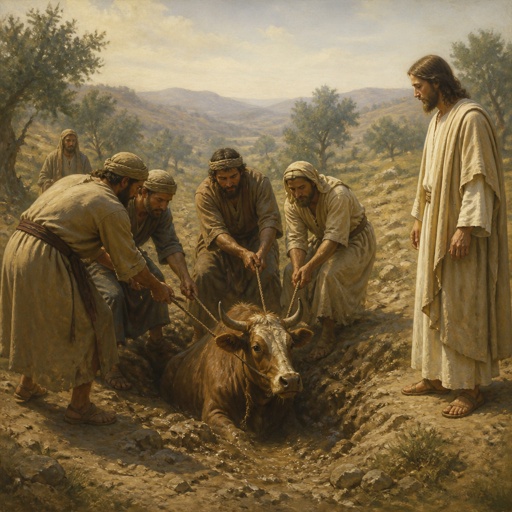
"And answered them, saying, Which of you shall have an ass or an ox fallen into a pit, and will not straightway pull him out on the sabbath day?" - Luke 14:5

Luke 14:30 - "Saying, This man began to build, and was not able to finish."

Luke 24:14 - "And they talked together of all these things which had happened."

Luke 5:16 - "¶ And he withdrew himself into the wilderness, and prayed."

Luke 10:14 - "But it shall be more tolerable for Tyre and Sidon at the judgment, than for you."