Called by Name: The Power of Divine Purpose
“Matthew and Thomas, James the son of Alphæus, and Simon called Zelotes,” — Luke 6:15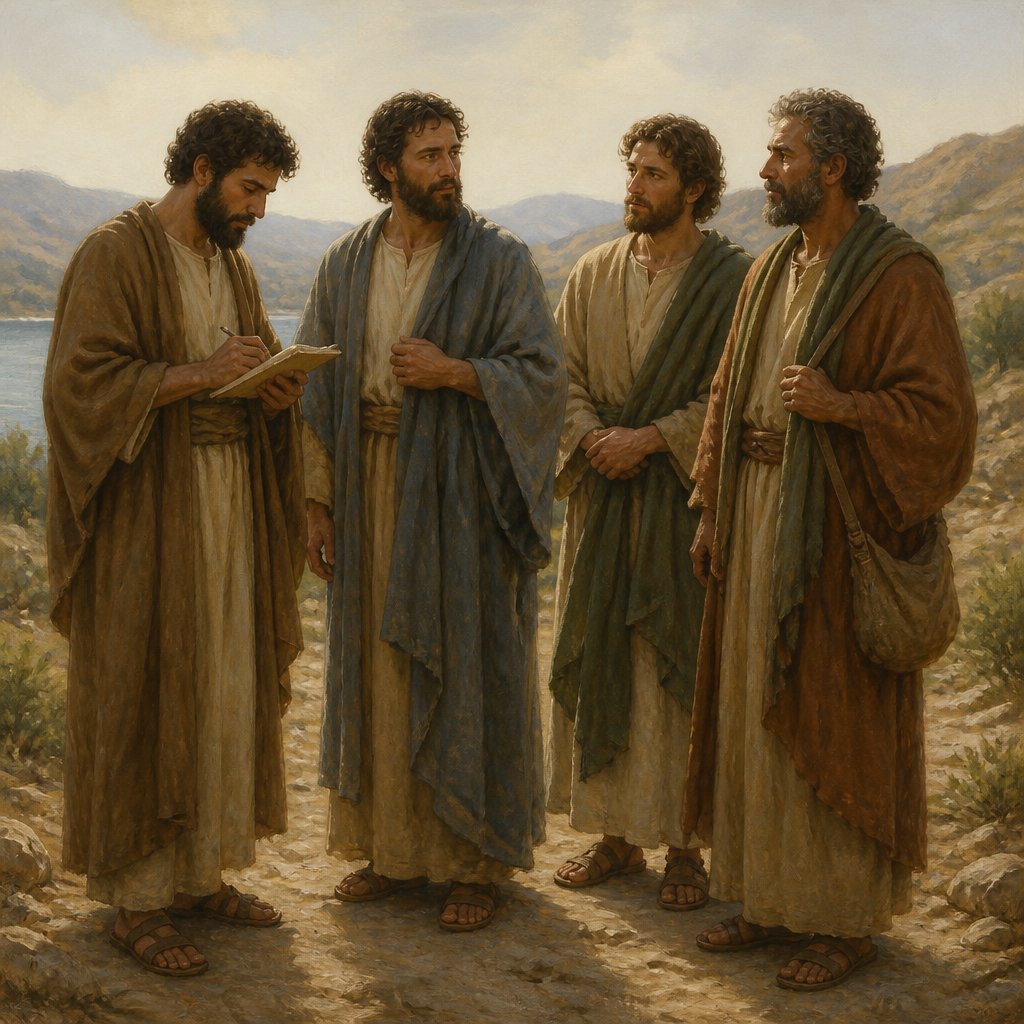
In the Gospel of Luke, chapter 6, verse 15, we read about the apostles and their commissioning: "Matthew and Thomas, James the son of Alphaeus, and Simon called Zelotes." This verse captures the essence of the diverse group of individuals that Jesus chose to be His closest followers. Each name in this verse carries with it a unique story, background, and purpose assigned by the Lord Himself.
As we explore this passage, we are reminded of the calling that each of the apostles received. They were not just random people picked from the crowd, but men whom Jesus had a specific purpose for in the framework of His Kingdom. This divine commissioning offers profound insight into God's intention when He calls someone to Himself and what it means to be chosen.
When we look at Matthew, the tax collector, we see the embodiment of transformation. Tax collectors were despised and seen as traitors, yet Jesus looked beyond Matthew's past and saw his potential. He called him to follow, not because of who he was, but because of who he could become through Him. Each of us has a past, filled with our own complexities, but God’s intention is to redeem our stories, turning burdens into blessings.
Thomas, often remembered as the doubter, teaches us about faith and struggle. His questioning nature is a reminder that uncertainty is a part of faith. Jesus embraced Thomas's doubts, showing that it is okay to ask hard questions and to seek understanding. In our spiritual journey, we too may wrestle with doubts, but Jesus invites us to bring those doubts to Him. Thomas eventually became a bold proclaimer of the Resurrection, reminding us that doubts can lead to deeper truths and a stronger faith.
James, the son of Alphaeus, isn’t as widely recognized, yet his inclusion is significant. He serves as a reminder that God values the faithful, even those less in the spotlight. Many of us may feel overlooked or unimportant in the grand scheme of things, yet God sees our faithfulness and obedience. James's life encourages us to serve in humility, for the work done in the quiet remains just as valuable in the eyes of God.
Lastly, Simon, called Zelotes, encompasses zeal. He was a member of the group known for their passionate opposition to Roman rule. Jesus redefined Simon's zeal, channeling it toward advancing God's Kingdom rather than creating division and strife. This transformation invites us to consider our own passions—are they directed toward selfish ambitions or Kingdom purposes? Jesus takes our passions and aligns them with His will, showing us that true zeal is found in love and service.
Each name represents many attributes of the human experience: transformation, questioning, faithfulness, and zeal. In this group of apostles, we also see a profound lesson on diversity within the body of Christ. The differences among them demonstrate how Jesus values varied backgrounds, experiences, and personalities. Christ’s calling is not limited to the perfect or the popular; every person has a role in the Kingdom, bringing their unique gifts to the table.
As we reflect on Luke 6:15, we are compelled to ask ourselves: What is God calling us to do today? Just like the apostles, we are called by name and for a purpose. The Lord isn't looking for perfection; He seeks availability and a willing heart. Let us respond to the calling of Christ in our lives, knowing that our past does not define us, our doubts can be embraced in His love, and each act of service counts in His Kingdom.
In conclusion, this rich tapestry of names points to a God who intimately knows each of His followers. He understands our strengths, our weaknesses, and our stories. Like Matthew, Thomas, James, and Simon, let us each step boldly into the calling of Christ, transforming the world around us for His glory.
Get our apps


Artwork for Luke 6:15

Luke 6:15 - "Matthew and Thomas, James the son of Alphaeus, and Simon called Zelotes,"
"Matthew and Thomas, James the son of Alphaeus, and Simon called Zelotes," - Luke 6:15

Luke 15:6 - "And when he cometh home, he calleth together his friends and neighbours, saying unto them, Rejoice with me; for I have found my sheep which was lost."
Luke 15:23

Luke 15:10

Luke 15:21

Luke 15:21

Luke 6

Luke 15: 4-7

Luke 11:14-15

Luke 21:15-19

Luke 15:11-32

luke 6: 27

luke 6:30

Luke 15:15 - "And he went and joined himself to a citizen of that country; and he sent him into his fields to feed swine."

Luke 4:15 - "And he taught in their synagogues, being glorified of all."

Luke 15:3 - "¶ And he spake this parable unto them, saying,"

Luke 6: 27-38

Luke 6:21-26

Luke 13:6-9

Luke 3:1-6

Luke 3:1-6

Luke 6:27-38

Luke 6:21-26

luke 3:1-6

Luke 15:11 - "¶ And he said, A certain man had two sons:"

Luke 9:15 - "And they did so, and made them all sit down."

Luke 14:6 - "And they could not answer him again to these things."

Luke 15:26 - "And he called one of the servants, and asked what these things meant."

Luke 6:6 - "And it came to pass also on another sabbath, that he entered into the synagogue and taught: and there was a man whose right hand was withered."