The Radical Call to Love: Embracing the Other Cheek
“And unto him that smiteth thee on the one cheek offer also the other; and him that taketh away thy cloke forbid not to take thy coat also.” — Luke 6:29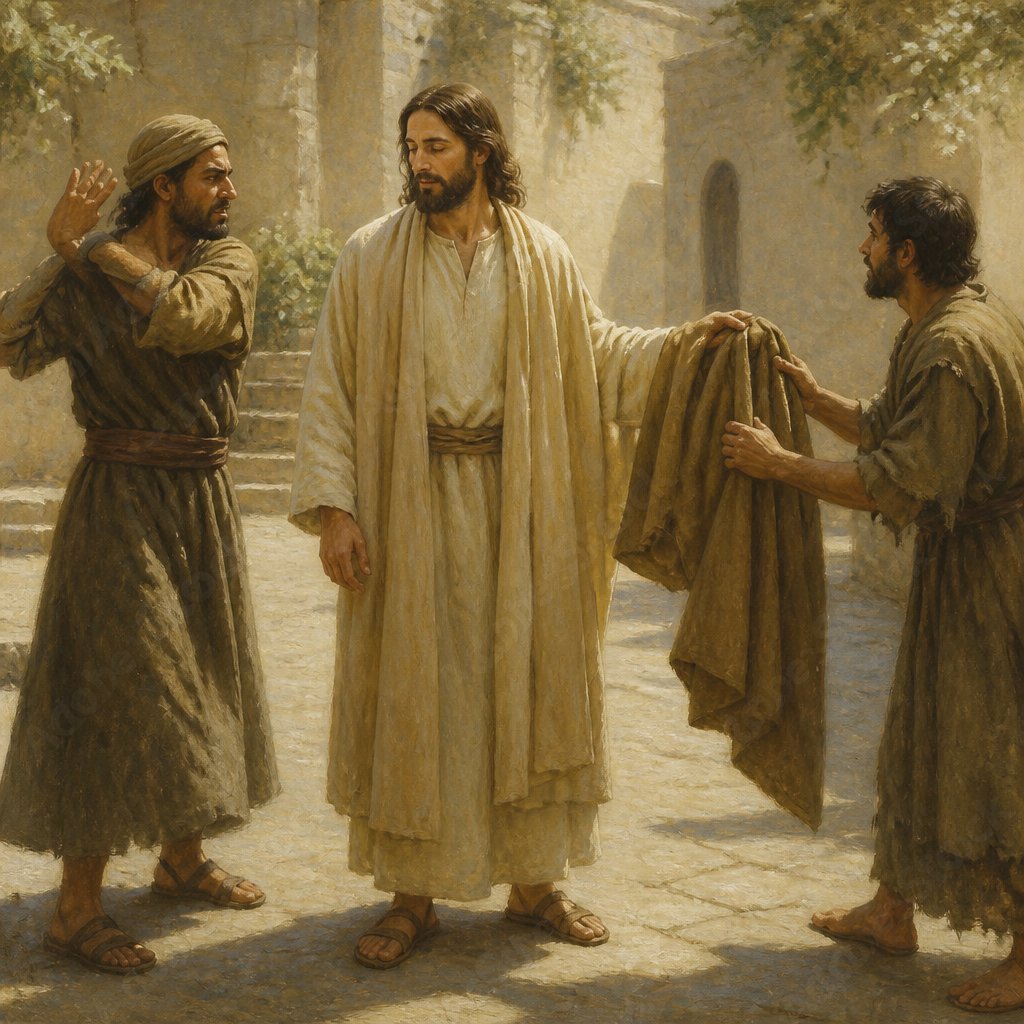
In Luke 6:29, we encounter a radical statement from Jesus: "And unto him that smiteth thee on the one cheek offer also the other; and him that taketh away thy cloke forbid not to take thy coat also" (KJV). This profound teaching not only challenges our understanding of justice and retaliation but also invites us into a deeper experience of grace and love.
To grasp the weight of this verse, it is essential to understand the cultural and historical context of Jesus' time. The society He was addressing was one under Roman occupation, where injustice and oppression were commonplace. The Jewish people were often subjected to humiliation and abuse, and the expectations of the Messiah often revolved around deliverance from such tyrannies. Jesus, however, did not conform to the expectations of a liberator who wielded force. Instead, He introduced a radical approach to interpersonal conflict — one that defies human instinct.
The act of being struck on one cheek symbolizes an offense that is both physical and emotional. To be slapped represents dishonor, an insult to one's dignity. Naturally, our instinct might be to retaliate or to strike back, to restore our honor through violence or at least verbal rebuke. Yet Jesus teaches us something akin to divine bravery — the courage to absorb the insult without retaliation. By offering the other cheek, one is not merely submitting to humiliation but is also exercising a form of strength that transcends worldly understanding. This act of non-retaliation can be perceived as an invitation for reconciliation rather than revenge.
The second part of the verse continues this theme: "and him that taketh away thy cloke forbid not to take thy coat also." In biblical times, the cloke was a significant garment, often providing warmth and security, while the coat represented additional clothing, perhaps used as a symbol of excess or luxury. Once again, the call is to go beyond what is comfortable. Jesus asks His followers to model a generosity that risks personal loss for the sake of the Kingdom.
Here lies the essence of Christ's teaching — it aligns itself with the very nature of God, who does not retaliate against us for our transgressions but offers grace instead. As Jesus walked on this earth, He exemplified this principle, reaching out in love and forgiveness to those who persecuted Him, even as He hung on the cross, saying, "Father, forgive them; for they know not what they do" (Luke 23:34, KJV). His self-giving love serves as the ultimate model for how we are called to respond to those who harm us.
To love like this requires deep reliance on the Holy Spirit. It means stepping away from a desire for revenge or justice as defined by societal standards and embracing a posture of sacrificial love. This love demands vulnerability; it may lead us into further hurt, but the essence of Christ's love is that it is not based on reciprocation. Instead, it represents a trust in God's sovereignty and justice. When we offer the other cheek, we open ourselves to God’s work in our lives and the lives of those who wrong us.
Practically, how can we embody this teaching in our daily lives? We can start by evaluating our responses to conflict, determining whether we seek retaliation or nourishment via forgiveness. Perhaps we might also consider the way we hold our belongings and consider how much we cling to material possessions, recognizing that they pale in comparison to the love we are called to exhibit.
Ultimately, Luke 6:29 calls us to a higher standard of engagement with one another — a standard that resembles the heart of Christ. As we pursue this radical love, we will not only challenge the norms of this world but also reflect the very nature of our Father in Heaven. May we become vessels of God’s unending grace, offering the other cheek and responding to injustice with love that is only made possible through our relationship with Him.
Get our apps


Artwork for Luke 6:29

Luke 6:29 - "And unto him that smiteth thee on the one cheek offer also the other; and him that taketh away thy cloke forbid not to take thy coat also."
"And unto him that smiteth thee on the one cheek offer also the other; and him that taketh away thy cloke forbid not to take thy coat also." - Luke 6:29

Luke 4:29

luke 1:29

luke 9:29- 30

Isaiah 29:6

Genesis 29-6

Luke 21:29 - "And he spake to them a parable; Behold the fig tree, and all the trees;"

Luke 9:29 - "And as he prayed, the fashion of his countenance was altered, and his raiment was white and glistering."

Luke 10:29 - "But he, willing to justify himself, said unto Jesus, And who is my neighbour?"

Luke 20:29 - "There were therefore seven brethren: and the first took a wife, and died without children."

Luke 6

Luke 7:29 - "And all the people that heard him, and the publicans, justified God, being baptized with the baptism of John."

Luke 16:29 - "Abraham saith unto him, They have Moses and the prophets; let them hear them."

Luke 2:29 - "Lord, now lettest thou thy servant depart in peace, according to thy word:"

Luke 22:29 - "And I appoint unto you a kingdom, as my Father hath appointed unto me;"

luke 6: 27

luke 6:30

Luke 14:29 - "Lest haply, after he hath laid the foundation, and is not able to finish it, all that behold it begin to mock him,"

Luke 24:29 - "But they constrained him, saying, Abide with us: for it is toward evening, and the day is far spent. And he went in to tarry with them."

Luke 17:29 - "But the same day that Lot went out of Sodom it rained fire and brimstone from heaven, and destroyed them all."

Luke 12:29 - "And seek not ye what ye shall eat, or what ye shall drink, neither be ye of doubtful mind."

Matthew 6:29 expressed as a rose garden

Luke 1:29 - "And when she saw him, she was troubled at his saying, and cast in her mind what manner of salutation this should be."

Luke 13:29 - "And they shall come from the east, and from the west, and from the north, and from the south, and shall sit down in the kingdom of God."

Luke 5:29 - "And Levi made him a great feast in his own house: and there was a great company of publicans and of others that sat down with them."

Proverbs 29:6 - "In the transgression of an evil man there is a snare: but the righteous doth sing and rejoice."

Luke 3:29 - "Which was the son of Jose, which was the son of Eliezer, which was the son of Jorim, which was the son of Matthat, which was the son of Levi,"

Luke 6: 27-38

Luke 6:21-26