The Heart of Mercy: Reflecting God's Character
“Be ye therefore merciful, as your Father also is merciful.” — Luke 6:36
In the sixth chapter of the Gospel of Luke, we encounter a profound mandate that extends beyond mere action—"Be ye therefore merciful, as your Father also is merciful" (Luke 6:36, KJV). This directive is not simply a call to behave in a certain way; it is an invitation to embody the very nature of God. The essence of mercy is intricately woven into the fabric of God’s character, and when we embrace this calling, we reflect His likeness in our world.
Mercy is often misunderstood in our modern society. It can be misconstrued as weakness or an excuse for unaccountability. However, in the biblical context, mercy shines as a powerful act of love and compassion towards those who are struggling or in the wrong. It requires humility, as we acknowledge our own weaknesses and recognize the fragility of the human condition. To be merciful means to actively choose to alleviate the suffering of others, extending grace where judgment could easily take hold.
To understand the depth of this call to mercy, we must first look at the source—our Father, who is eternally merciful. Throughout the Scriptures, God’s mercy is a recurring theme. In Exodus 34:6, the Lord reveals Himself as "The Lord, The Lord God, merciful and gracious, longsuffering, and abundant in goodness and truth" (KJV). This foundational truth about God’s character sets the standard not only for our understanding of who He is, but also who we are meant to be as His children. When Jesus calls us to be merciful, He urges us to emulate this divine quality that is part of our heritage as believers.
The call to mercy invites us into a transformative relationship with both God and our neighbors. When we respond to God’s mercy in our lives, acknowledging the grace we have received despite our failures and sins, we find that this same grace compels us to show compassion to those around us. It begins with a heart attitude that recognizes the struggles of others and responds with kindness. Mercy flows from the well of grace we have experienced in our relationship with Christ.
Furthermore, mercy is not a passive quality; it is an active choice. Consider the parable of the Good Samaritan (Luke 10:25-37), where mercy is embodied in action. The Samaritan, who was an outcast in his own right, chose to stop and help the wounded man, despite societal norms that would place him in opposition to the victim. In a world often driven by judgment and division, being merciful creates a radical counter-narrative that reflects the heart of God.
As we navigate daily interactions with others, it is vital to remember that mercy does not always equate to leniency. There are times when speaking truth must also accompany compassion. As followers of Christ, we are called to extend mercy, but we are also called to speak the truth in love (Ephesians 4:15, KJV). This balance ensures that our merciful actions bring healing and restoration rather than enable destructive behaviors.
In practice, we can cultivate a merciful heart through prayer, asking God to open our eyes to the needs of those around us. We can also engage in acts of kindness, whether large or small—offering forgiveness, lending a helping hand, or simply listening to someone who needs to be heard. Each act of mercy builds our character and draws us closer to God’s heart.
Embracing mercy is a lifelong journey, one where we continually discover how God's mercy transforms not just our lives, but the lives of those we touch. As we strive to be merciful, we embody Christ's love and grace in a world that desperately needs more of both. Let us, therefore, echo the call of Luke 6:36, allowing our lives to reflect the mercy of our Heavenly Father.
Get our apps


Artwork for Luke 6:36

Luke 6:36 - "Be ye therefore merciful, as your Father also is merciful."

"Be ye therefore merciful, as your Father also is merciful." - Luke 6:36

Luke 5:36

Luke 11.33-36

Luke 7:36-50

Luke 7:36–50

Luke 19:36 - "And as he went, they spread their clothes in the way."

Luke 6:35-36 - "But love your enemies, do good to them, and lend to them without expecting to get anything back. Then your reward will be great, and you will be children of the Most High, because he is kind to the ungrateful and wicked. Be merciful, just as your Father is merciful."

Luke 18:36 - "And hearing the multitude pass by, he asked what it meant."

Luke 17:36 - "Two men shall be in the field; the one shall be taken, and the other left."

Luke 23:36 - "And the soldiers also mocked him, coming to him, and offering him vinegar,"

Luke 8:36 - "They also which saw it told them by what means he that was possessed of the devils was healed."

Luke 10:36 - "Which now of these three, thinkest thou, was neighbour unto him that fell among the thieves?"

Psalms 36 verse 3-6

"And as he went, they spread their clothes in the way." - Luke 19:36

Luke 20:36 - "Neither can they die any more: for they are equal unto the angels; and are the children of God, being the children of the resurrection."

Luke 24:36 - "¶ And as they thus spake, Jesus himself stood in the midst of them, and saith unto them, Peace be unto you."

Job 36:6 - "He preserveth not the life of the wicked: but giveth right to the poor."

Luke 3:36 - "Which was the son of Cainan, which was the son of Arphaxad, which was the son of Sem, which was the son of Noe, which was the son of Lamech,"
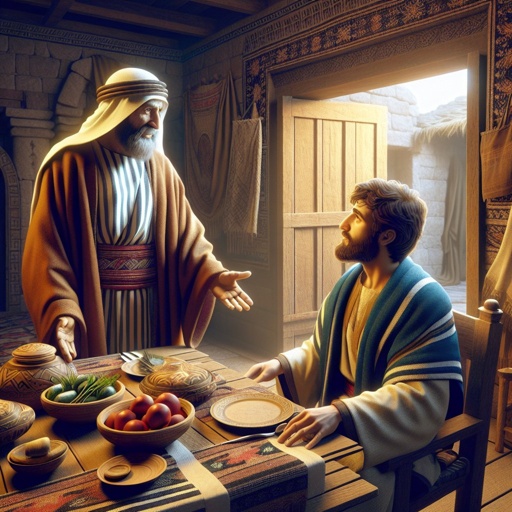
Luke 7:36 - "¶ And one of the Pharisees desired him that he would eat with him. And he went into the Pharisee's house, and sat down to meat."

1 Chronicles 6:36 - "The son of Elkanah, the son of Joel, the son of Azariah, the son of Zephaniah,"

Judges 6:36-40 – Gideon’s fleece test for dew.

"And hearing the multitude pass by, he asked what it meant." - Luke 18:36

John 6:36 - "But I said unto you, That ye also have seen me, and believe not."

Luke 4:36 - "And they were all amazed, and spake among themselves, saying, What a word is this! for with authority and power he commandeth the unclean spirits, and they come out."

Luke 6

Luke 1:36 - "And, behold, thy cousin Elisabeth, she hath also conceived a son in her old age: and this is the sixth month with her, who was called barren."

Luke 2:36 - "And there was one Anna, a prophetess, the daughter of Phanuel, of the tribe of Aser: she was of a great age, and had lived with an husband seven years from her virginity;"

Luke 9:36 - "And when the voice was past, Jesus was found alone. And they kept it close, and told no man in those days any of those things which they had seen."

1 Kings 6:36 - "¶ And he built the inner court with three rows of hewed stone, and a row of cedar beams."