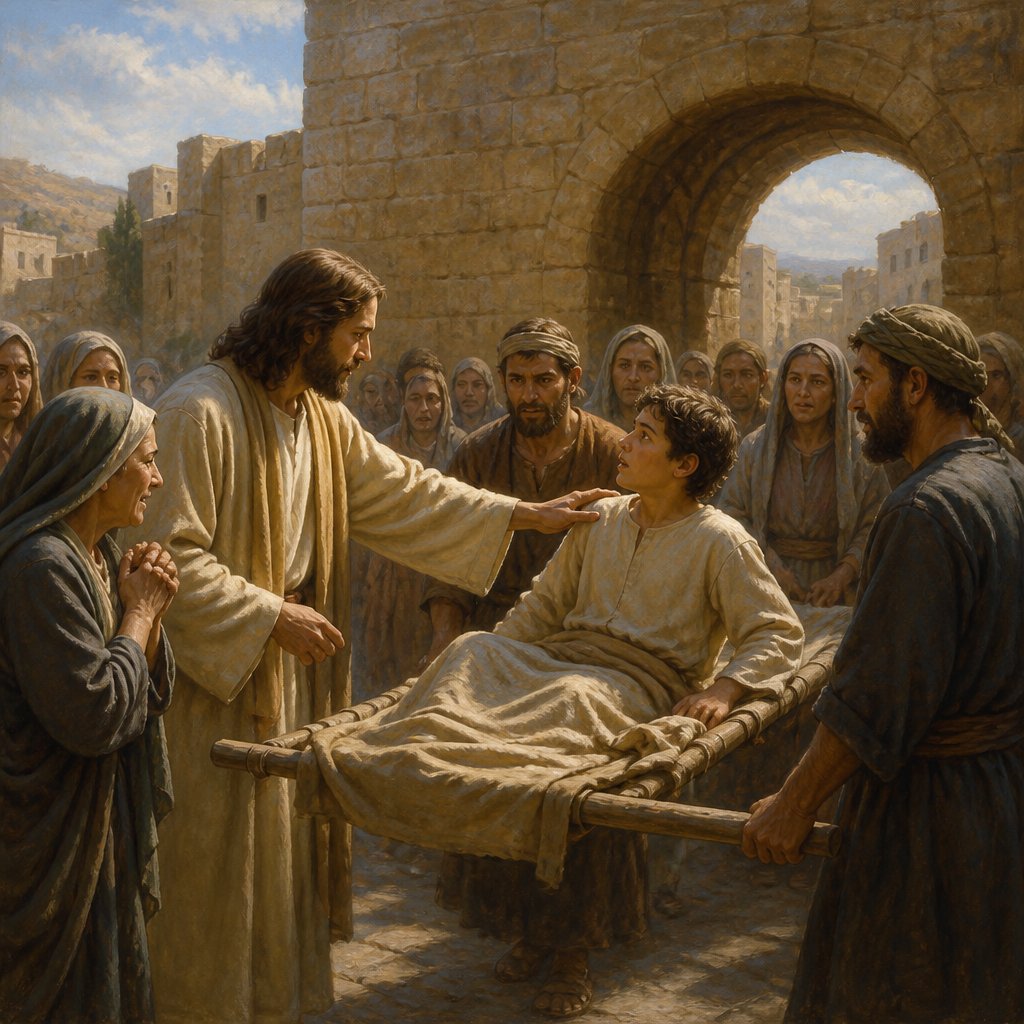
As we delve into the profound narrative of Luke 7:12-15, we encounter a powerful demonstration of Christ's compassion and authority over death. The scene unfolds as Jesus approaches the city of Nain, where He encounters a heart-wrenching scene: a widow mourning the loss of her only son, who is being carried out for burial. This poignant moment, steeped in cultural and emotional significance, serves as a mirror reflecting our own experiences of loss, grief, and hopelessness.
The passage introduces us to the widow, a figure unmistakably laden with sorrow. In the ancient Near Eastern context, losing her only son would have plunged her into a desperate situation, leaving her not only bereft of her beloved child but also vulnerable in a society where women heavily relied on their sons for security and support. Her plight resonates deeply, reminding us of the pain that visits us all in different forms—whether through the loss of a loved one, the ending of a cherished relationship, or the fading of dreams we once held dear.
It is here, at the intersection of profound grief and divine compassion, that Jesus enters the scene. The very first words He speaks are, "Weep not." This may appear insensitive if perceived through the lens of our earthly understanding of grief. However, these words are not dismissive; rather, they are an invitation to shift focus from despair to the hope that Jesus brings. When Christ speaks, He invites us to trust in His power to transform our situations. In our own lives, how often do we find ourselves paralyzing ourselves in sorrow, forgetting that the One who sees our afflictions also holds the power to intervene?
As Jesus approaches the bier, He touches it—a gesture that defied social norms and expectations, for touching a dead body would render someone ceremonially unclean. Yet, Jesus doesn’t shy away from the situation; He deeply engages with the pain embodied before Him. This act serves as a powerful reminder of our call to step into uncomfortable places in our lives and the lives of others. Jesus’ actions teach us that love often requires us to enter into the messiness of life, embodying compassion where it is most needed. Furthermore, it speaks to the radical nature of His ministry—He comes to heal the brokenhearted, restoring hope where despair has taken root.
Then, Jesus speaks with authority: "Young man, I say unto thee, Arise." This command is laden with power—power that not only stirs the young man from death but simultaneously breathes life into the devastated heart of his mother. Here, we witness the culmination of Christ’s compassion matched with His divine power, a combination that transforms death into life. It is a vivid illustration of 1 Corinthians 15:55—"O death, where is thy sting?" Through Christ, we learn that even in the face of death, hope is not lost, for He holds dominion over the grave.
As the young man sits up and begins to speak, the miracle isn’t solely the resurrection of life; it is the restoration of the widow’s joy, her hope, and her future. He delivers him to his mother—a heartwarming completion to her grief-stricken journey. In our lives, Christ desires to deliver us as well, restoring our joys and dreams that may seem lost forever. He calls us to rise from our graves of despair to embrace the fullness of life He offers.
In conclusion, Luke 7:12-15 is not just a narrative of resurrection but an invitation for us to encounter the compassionate Christ. No matter the depths of our despair, He sees our pain, engages with our suffering, and possesses the power to transform our circumstances. Let us, therefore, approach Him with our burdens and watch as He resurrects hope in our lives, saying, "Arise" to our deep-seated sorrow. As we reflect on His compassion today, may we extend that same grace to those around us, embodying the hands and feet of Christ in a world yearning for hope.
Get our apps


Artwork for Luke 7:12-15

Luke 7:12-15 - "As he approached the town gate, a dead person was being carried out—the only son of his mother, and she was a widow. And a large crowd from the town was with her. When the Lord saw her, his heart went out to her and he said, “Don’t cry.” Then he went up and touched the bier they were carrying him on, and the bearers stood still. He said, “Young man, I say to you, get up!” The dead man sat up and began to talk, and Jesus gave him back to his mother."
"As he approached the town gate, a dead person was being carried out—the only son of his mother, and she was a widow. And a large crowd from the town was with her. When the Lord saw her, his heart went out to her and he said, “Don’t cry.” Then he went up and touched the bier they were carrying him on, and the bearers stood still. He said, “Young man, I say to you, get up!” The dead man sat up and began to talk, and Jesus gave him back to his mother." - Luke 7:12-15

Luke 15: 4-7

Luke 7:15 - "And he that was dead sat up, and began to speak. And he delivered him to his mother."

Luke 12:15 - "And he said unto them, Take heed, and beware of covetousness: for a man's life consisteth not in the abundance of the things which he possesseth."

Luke 12:7 - "But even the very hairs of your head are all numbered. Fear not therefore: ye are of more value than many sparrows."

Luke 15:12 - "And the younger of them said to his father, Father, give me the portion of goods that falleth to me. And he divided unto them his living."

Luke 7:12 - "Now when he came nigh to the gate of the city, behold, there was a dead man carried out, the only son of his mother, and she was a widow: and much people of the city was with her."
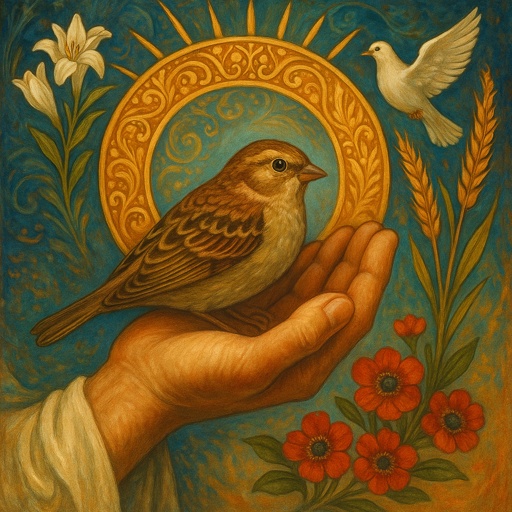
"But even the very hairs of your head are all numbered. Fear not therefore: ye are of more value than many sparrows." - Luke 12:7

Luke 15:7 - "I say unto you, that likewise joy shall be in heaven over one sinner that repenteth, more than over ninety and nine just persons, which need no repentance."

"And he that was dead sat up, and began to speak. And he delivered him to his mother." - Luke 7:15

Luke 12:6-7 - "Are not five sparrows sold for two pennies? Yet not one of them is forgotten by God. Indeed, the very hairs of your head are all numbered. Don’t be afraid; you are worth more than many sparrows."
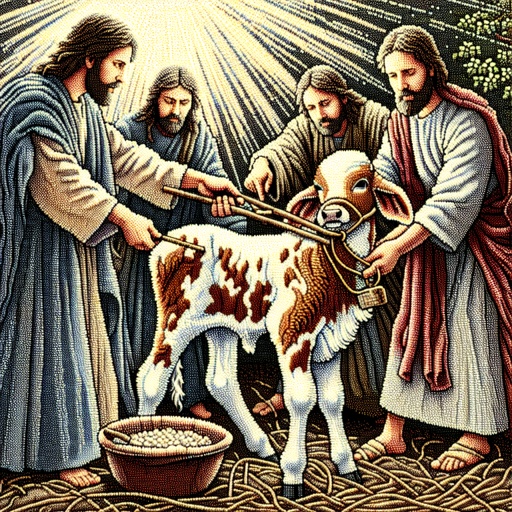
Luke 15:23

Luke 15:10

Luke 15:21

Luke 15:21

Luke 12:25
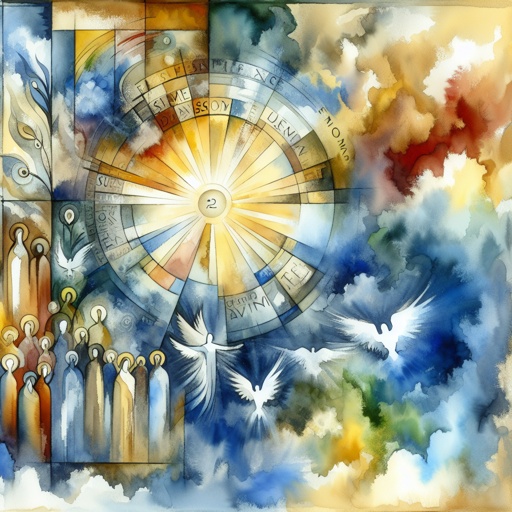
Luke 12:25

Luke 12: 49

Luke 12:34

Luke 12:10

Luke 12:50

Luke 11:14-15

Luke 21:15-19

Luke 15:11-32
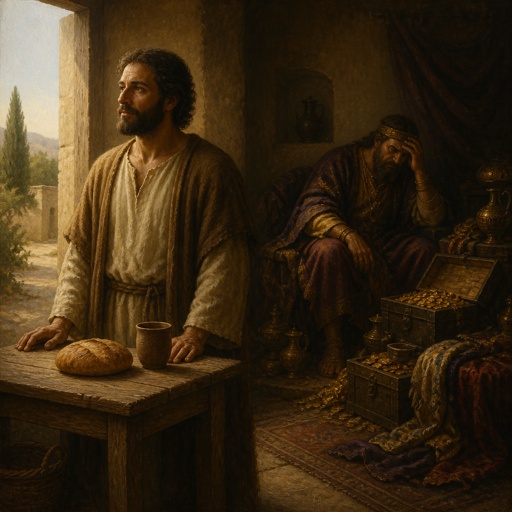
"And he said unto them, Take heed, and beware of covetousness: for a man's life consisteth not in the abundance of the things which he possesseth." - Luke 12:15

Luke 7:33

Luke 7:50

Luke 7:50

Luke 15:15 - "And he went and joined himself to a citizen of that country; and he sent him into his fields to feed swine."