The Power of Faith: A Lesson from the Centurion
“Wherefore neither thought I myself worthy to come unto thee: but say in a word, and my servant shall be healed.” — Luke 7:7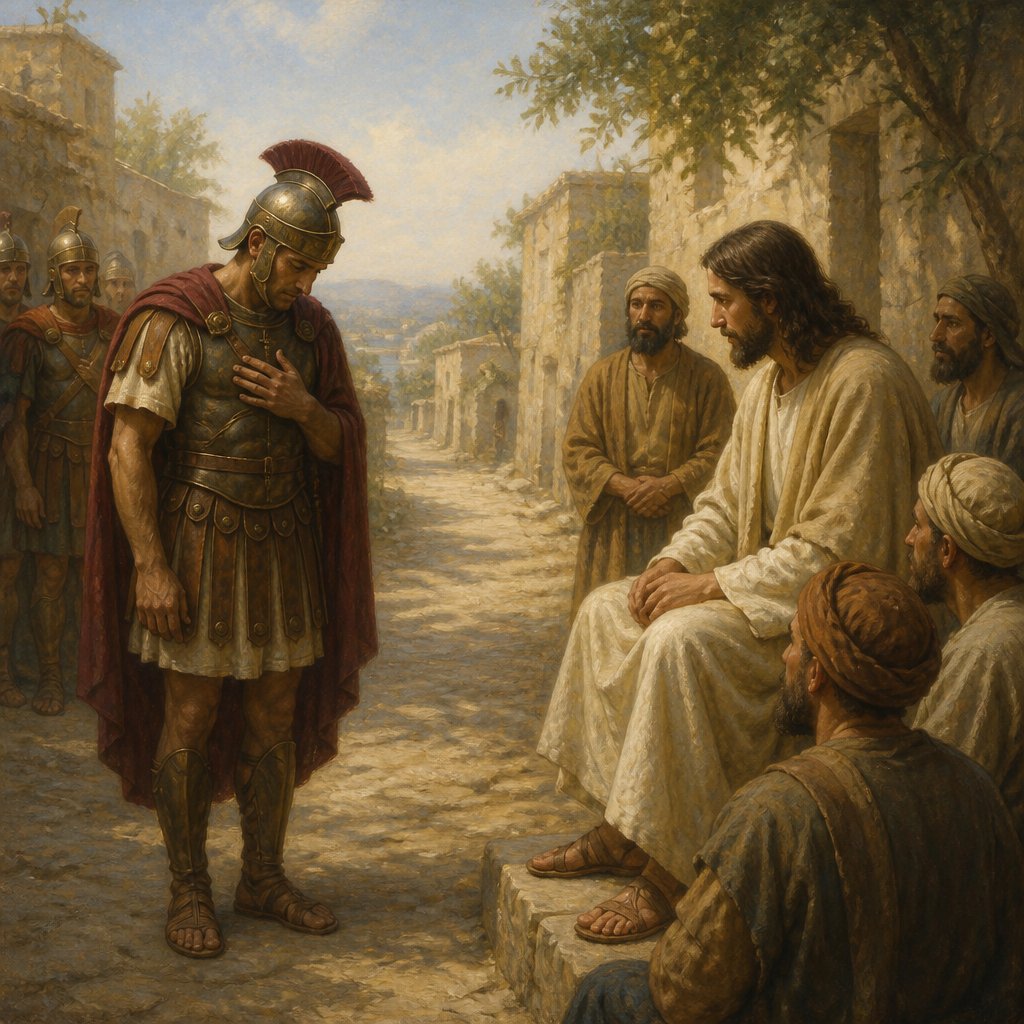
In the Gospel of Luke, chapter 7, we encounter a profound moment of humility and faith that is encapsulated in the words of a Roman centurion: "Wherefore neither thought I myself worthy to come unto thee: but say in a word, and my servant shall be healed" (Luke 7:7, KJV). This scripture reveals not only the centurion's understanding of authority but also his deep faith in Jesus' ability to heal without being physically present.
### Understanding Context
To appreciate the weight of the centurion's statement, it is essential to grasp the context in which it was spoken. The centurion was a respected officer in the Roman army who commanded around a hundred men. Despite his prominent position within a powerful empire, he recognized a greater authority in Jesus. The centurion had a servant who was gravely ill, and instead of demanding that Jesus come to his home, he sent messengers to convey his request. This choice highlights his humility and respect for Jesus' power.
### The Nature of Worthiness
The phrase, "neither thought I myself worthy," is striking. In a society that often equates rank and merit with worthiness, the centurion humbly placed himself in the position of a humble servant rather than a powerful commander. In this act of humility, he demonstrated a significant truth: true worthiness before God is not about our social status, wealth, or achievements, but about our recognition of who God is and our reliance on His grace.
Here, we learn that our relationship with God does not hinge on our perceived worth but on our faith. The centurion understood his limitations and approached Jesus with profound reverence and confidence. He knew that healing could come through a simple command from the Messiah.
### Authority and Faith
The centurion goes on to express his understanding of authority: "but say in a word, and my servant shall be healed." He comprehended the nature of Jesus’s authority, which transcended physical presence. As a military leader, he understood that when he commanded his soldiers, they obeyed without question. He applied this understanding to Jesus' ability to heal, illustrating that faith is often about recognizing God's immense power and acting accordingly.
This scripture invites us to reflect on our faith. Do we believe that God can act in our lives with just a word? When we pray, do we approach God's throne with the expectation that He is capable and willing to intervene? Too often, we may find ourselves praying from a place of doubt or fear, forgetting that God's will can be accomplished without elaborate rituals or lengthy processions.
### Application in Our Lives
In our everyday lives, we face situations that challenge our faith. It may be a health issue, relational conflict, or financial strain. Like the centurion, we might feel "unworthy" to approach Jesus due to our shortcomings or past mistakes. Yet, this passage assures us that our approach should be rooted in faith rather than self-condemnation. We are encouraged to bring our burdens to the Lord, believing that He hears us and is more than able to respond to our needs.
When we pray, let us model our approach after the centurion. Let us express both our humility and our unwavering faith. Let us say, "Lord, I am not worthy, but I believe in your power to heal, restore, and transform my life and the lives of those I love."
### Conclusion
As we reflect on Luke 7:7, let us strive to embody the centurion's humility and faith in our walks with Christ. May we approach Him not as occupants of high status but as humble servants, wholly reliant on His grace and power. In doing so, we demonstrate a faith that compels action and opens the door for God's miraculous work in our lives. Let us remember that with God, all things are possible. Just one word from Him can bring healing and restoration.
Get our apps


Artwork for Luke 7:7

Luke 7:7 - "Wherefore neither thought I myself worthy to come unto thee: but say in a word, and my servant shall be healed."
"Wherefore neither thought I myself worthy to come unto thee: but say in a word, and my servant shall be healed." - Luke 7:7

Luke 7:33

Luke 7:50

Luke 7:50

Luke 7:36-50

Luke 7:41-47

Luke 7:36–50

Luke 15: 4-7

Luke 20:7 - "And they answered, that they could not tell whence it was."

Luke 7:35 - "But wisdom is justified of all her children."

Luke 7:18 - "And the disciples of John shewed him of all these things."

Luke 7:23 - "And blessed is he, whosoever shall not be offended in me."

Luke 7:48 - "And he said unto her, Thy sins are forgiven."

Luke 22:7 - "¶ Then came the day of unleavened bread, when the passover must be killed."

Luke 4:7 - "If thou therefore wilt worship me, all shall be thine."

Luke 8:7 - "And some fell among thorns; and the thorns sprang up with it, and choked it."

Luke 7:5 - "For he loveth our nation, and he hath built us a synagogue."

"And they answered, that they could not tell whence it was." - Luke 20:7

Luke 7:31 - "¶ And the Lord said, Whereunto then shall I liken the men of this generation? and to what are they like?"

Luke 7:10 - "And they that were sent, returning to the house, found the servant whole that had been sick."

Luke 7:30 - "But the Pharisees and lawyers rejected the counsel of God against themselves, being not baptized of him."

Luke 7:50 - "And he said to the woman, Thy faith hath saved thee; go in peace."

Luke 7:2 - "And a certain centurion's servant, who was dear unto him, was sick, and ready to die."

Luke 19:7 - "And when they saw it, they all murmured, saying, That he was gone to be guest with a man that is a sinner."

Luke 7:29 - "And all the people that heard him, and the publicans, justified God, being baptized with the baptism of John."

Luke 1:7 - "And they had no child, because that Elisabeth was barren, and they both were now well stricken in years."

Luke 7:15 - "And he that was dead sat up, and began to speak. And he delivered him to his mother."

Luke 7:49 - "And they that sat at meat with him began to say within themselves, Who is this that forgiveth sins also?"
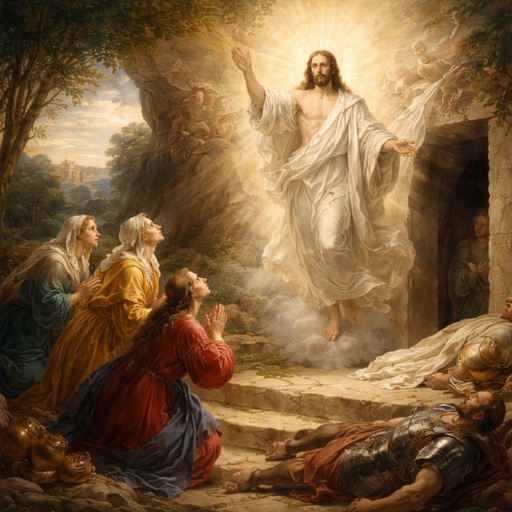
What does Luke 24:6-7 mean? "He is not here, but is risen: remember how he spake unto you when he was yet in Galilee, Saying, The Son of man must be delivered into the hands of sinful men, and be crucified, and the third day rise again." - Luke 24:6-7