Faithful Stewardship: The Unsung Heroes of Ministry
“And Joanna the wife of Chuza Herod’s steward, and Susanna, and many others, which ministered unto him of their substance.” — Luke 8:3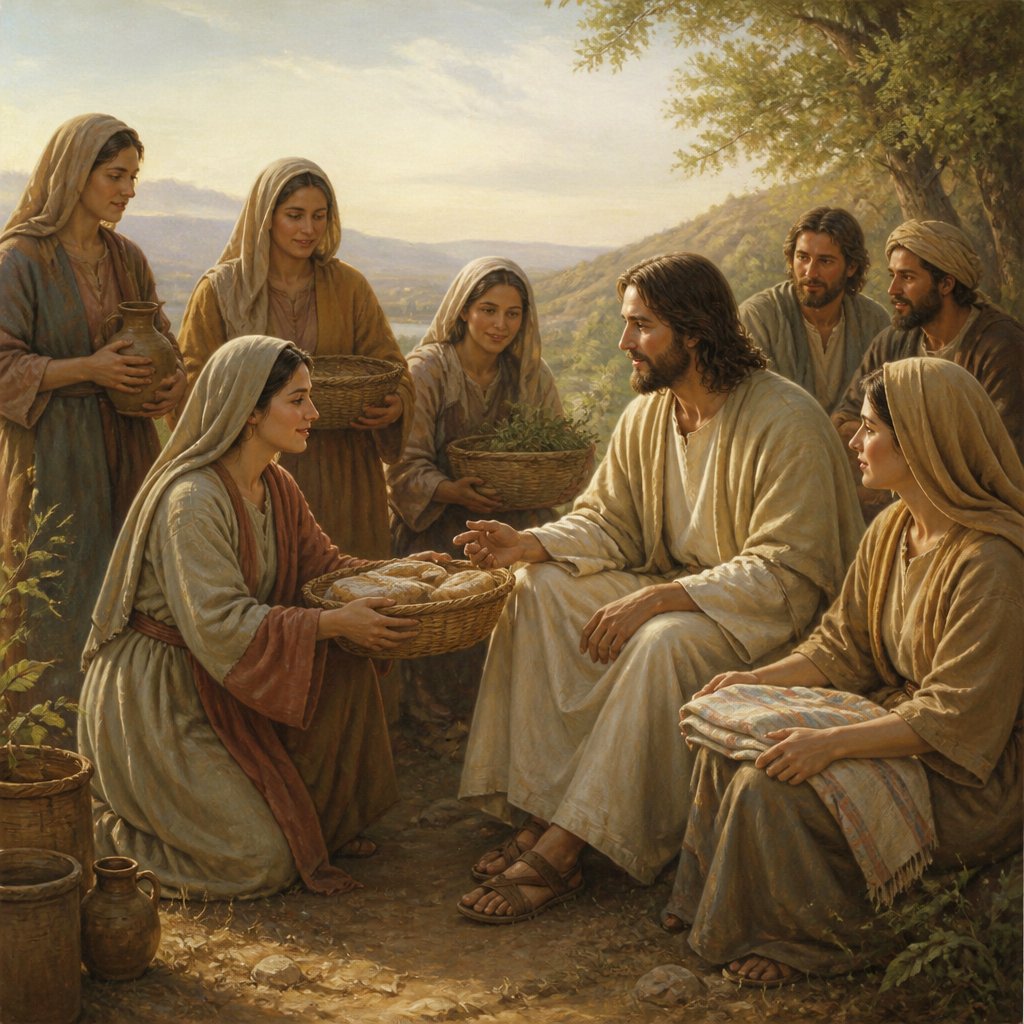
In the Gospel of Luke 8:3, we read, “And Joanna the wife of Chuza Herod's steward, and Susanna, and many others, which ministered unto him of their substance.” This brief yet powerful verse encapsulates the essential yet often overlooked role of women and supporters in the ministry of Jesus Christ. It calls us to reflect on the significance of faithfulness in service and the varied forms of dedication found within the body of Christ.
Joanna, the wife of Chuza, Herod's steward, stands out in this passage. Her association with royalty shows that she was likely of considerable means, yet we find her not indulging in her position but rather using her resources to further the ministry of Jesus. In the context of first-century Palestine, where women often held limited social and economic power, Joanna’s discipleship was revolutionary. Her status as a benefactor represents an inversion of societal expectations, highlighting that one’s contribution to God’s work is not determined by their social standing but by their willingness to serve.
Susanna, while lesser-known, exhibits the same spirit of devotion. We are told very little about her other than her name, yet she is mentioned in tandem with Joanna, suggesting that she too shared in the commitment to support Christ’s ministry. This emphasizes an important truth about discipleship: ministry is not solely about public recognition or platforms. Many faithful servants work quietly behind the scenes, yet their impact is profound and irreplaceable.
The phrase “which ministered unto him of their substance” deserves careful consideration. It signifies that these women provided for Jesus and his disciples from their own resources. They understood the importance of contributing not only financially but also materially to ensure the work of the Gospel continued unhindered. In a world often preoccupied with personal gain, these women exemplified selflessness and generosity, prioritizing the mission of Christ above their own comfort.
From Joanna and Susanna, we learn valuable lessons about stewardship. Stewardship is often associated with managing finances, but it extends far beyond money. It encompasses time, talents, and resources—everything God has entrusted to us. In our modern context, we must ask ourselves what it means to "minister unto Him of our substance.” Are we using our time to serve in church, volunteer in our communities, or nurture relationships? Are we sharing our gifts and talents to bless others? Each action, however small, contributes to the Kingdom and brings glory to God.
Furthermore, their story challenges us to consider how we view our resources. Are we counting them as mere possessions, or do we see them as tools for ministry? In a consumer-driven culture, we are often encouraged to hoard and acquire as much as we can. However, Joanna and Susanna modeled a radical approach—seeing their possessions not as ends in themselves but as means to an eternal purpose.
It is crucial to understand that the impact of these women’s actions extends far beyond their era. Their willingness to support Jesus reverberated through history, as their contributions allowed the message of salvation to reach countless generations. Their story reminds us that no act of service is too small and that we are all called to play a role in advancing God’s kingdom.
As we reflect on Luke 8:3, let us ask ourselves: How can we better serve with our substance? Are we being faithful stewards of the resources and opportunities God has given us? In doing so, we can ensure that our lives, much like Joanna's and Susanna's, contribute to the ministry of Christ, demonstrating unwavering faith and a desire to help others in their walk with Him. May we always strive to join the ranks of those who minister, not for recognition, but out of love for our Lord.
Get our apps


Artwork for Luke 8:3

Luke 8:3 - "And Joanna the wife of Chuza Herod's steward, and Susanna, and many others, which ministered unto him of their substance."
"And Joanna the wife of Chuza Herod's steward, and Susanna, and many others, which ministered unto him of their substance." - Luke 8:3

Luke 8:5-8
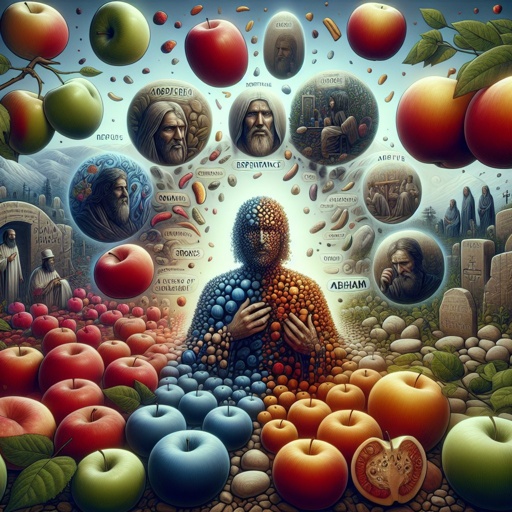
Luke 3:8 - "Bring forth therefore fruits worthy of repentance, and begin not to say within yourselves, We have Abraham to our father: for I say unto you, That God is able of these stones to raise up children unto Abraham."

Luke 8:16

Luke 8:11

Luke 8:17

Luke 8:13

Luke 8:13

Luke 8:13

Luke 24:8 - "And they remembered his words,"

Luke 2 v 8

Luke 8:4-18

Luke 8:11 - "Now the parable is this: The seed is the word of God."
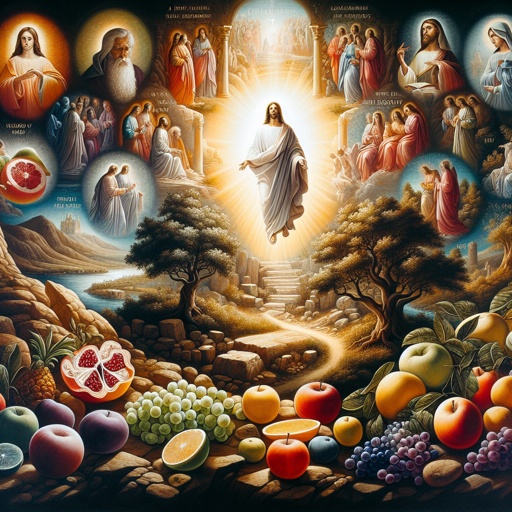
Luke 3:8 Bring forth therefore fruits worthy of repentance, and begin not to say within yourselves, We have Abraham to our father: for I say unto you, That God is able of these stones to raise up children unto Abraham.

luke 3:1-6

Luke 3:1-6

Luke 3:1-6

Luke 3:3 - "And he came into all the country about Jordan, preaching the baptism of repentance for the remission of sins;"

Luke 8:53 - "And they laughed him to scorn, knowing that she was dead."

John 3:3-8

Luke 8:26 - "¶ And they arrived at the country of the Gadarenes, which is over against Galilee."

Luke 8:9 - "And his disciples asked him, saying, What might this parable be?"
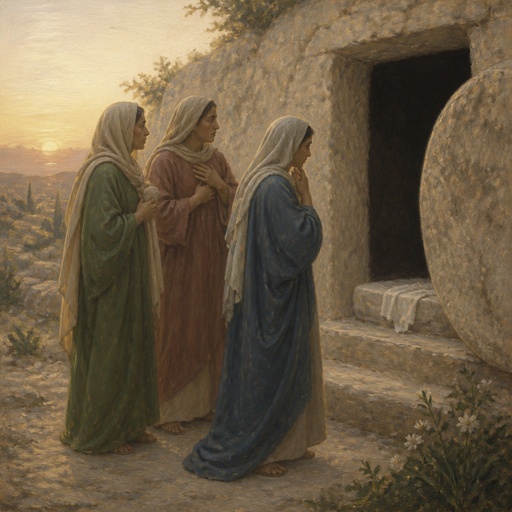
"And they remembered his words," - Luke 24:8

Luke 24:3 - "And they entered in, and found not the body of the Lord Jesus."

Luke 8:7 - "And some fell among thorns; and the thorns sprang up with it, and choked it."

Luke 8:31 - "And they besought him that he would not command them to go out into the deep."

Luke 3:6 - "And all flesh shall see the salvation of God."

Luke 15:3 - "¶ And he spake this parable unto them, saying,"
![Luke 2:3 NIV
[3] And everyone went to their own town to register.](https://media.bible.art/624b3d4a-2c40-4bf2-bc2f-1d6418c32a14-thumbnail.jpg)
Luke 2:3 NIV [3] And everyone went to their own town to register.