The Legacy We Leave Behind: Lessons from Mark 12:20
“Now there were seven brethren: and the first took a wife, and dying left no seed.” — Mark 12:20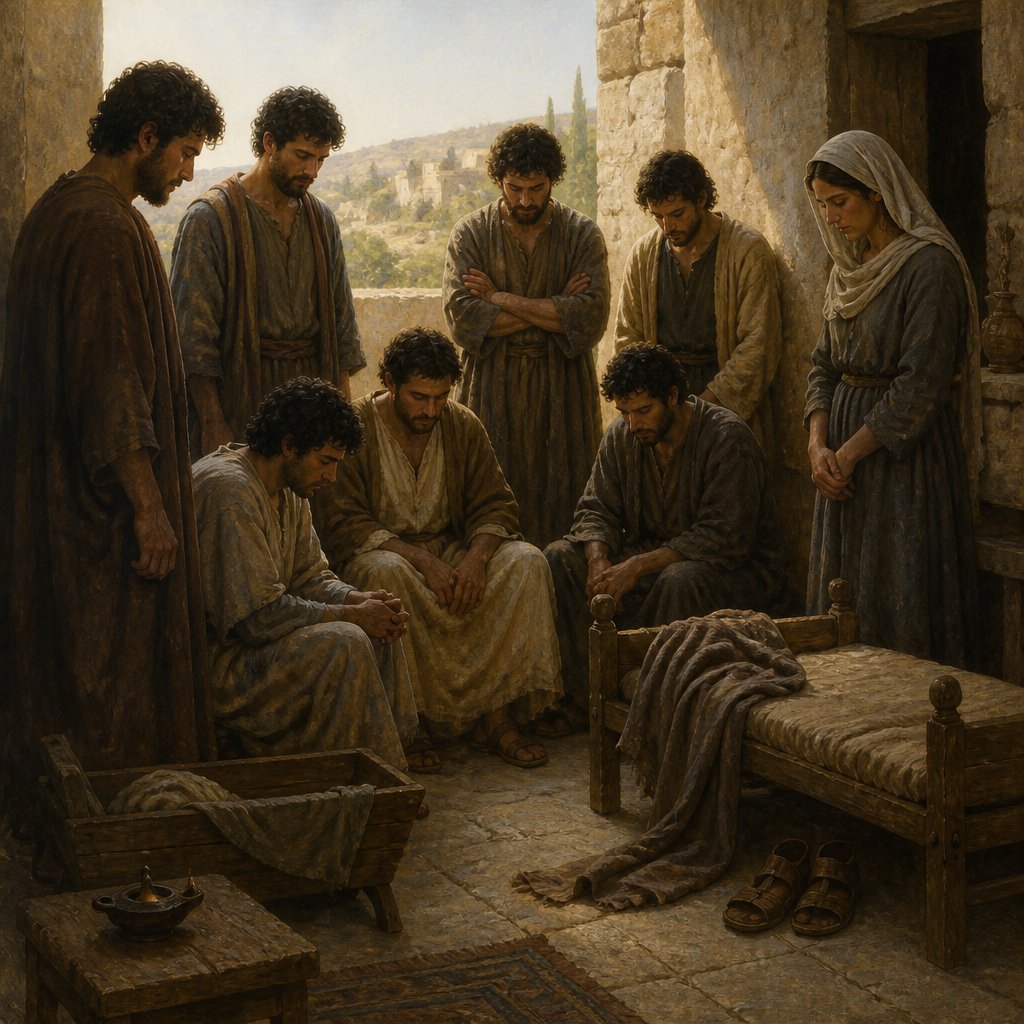
In the Gospel of Mark, chapter 12, verse 20, we come across a poignant narrative: "Now there were seven brethren: and the first took a wife, and dying left no seed." This verse is nestled within a passage where the Sadducees, a sect known for their disbelief in the resurrection of the dead, seek to entrap Jesus with a question regarding marriage and the afterlife. As we unpack this verse, we find ourselves engaged in deep reflections about life, death, legacy, and the eternal perspective.
The context of Mark 12 is critical to our understanding. The Sadducees presented a hypothetical scenario involving a man who marries and dies childless, leaving his wife to be married successively by his six brothers. Their question reveals deep-seated misunderstandings not only about the law of Moses—which they claimed to uphold—but also about God’s power and the nature of the afterlife. Here, Jesus's response will later illuminate the truth about resurrection and the eternal state of believers. But before we get to that point, we must pause and reflect on the first part of the verse.
The phrase "and dying left no seed" resonates powerfully with us as we consider the concept of legacy. Each of us, in one way or another, leaves a legacy. It may not be a physical one, like children, but rather the impact we have on the lives of people around us, the values we instill, the love we share, and the faith we live out. The significance of leaving a legacy often prompts deeper questioning about how we use our time on earth.
This verse starkly reminds us that life is fleeting. The first brother, through his tragic death, represents the fragility of human existence. In the blink of an eye, our lives can change, and our time may come to an end. Consequently, we are urged to contemplate what we are doing with our time. Are we investing it in things that will last beyond our earthly existence? Are we leaving behind seeds of faith, love, and encouragement in the lives of others?
The brother who died without leaving seed also invites us to think about unfulfilled potential and dreams unfulfilled. What potential did he have? Perhaps he had aspirations not just of being a good husband but of being a father, a leader, a servant in his community. Yet, death cut those plans short. We should be encouraged to pursue our God-given dreams with urgency, aware that procrastination can lead us to miss opportunities that may never come again. In this light, we are called not only to live but to thrive in our lives, making every moment count for God’s Kingdom.
Furthermore, this narrative showcases the importance of community and relationship. In Jewish law, the practice of levirate marriage (where a man marries his deceased brother's widow to preserve the brother's line) highlights the value placed on family and communal responsibility. As members of the Body of Christ, we too are called to support one another, providing love, guidance, and mentorship, thus fulfilling our roles in preserving God’s legacy on earth. This act of love also extends to spiritual brotherhood—leading others to Christ and teaching them to walk in His light.
Ultimately, while Mark 12:20 tells the story of a brother who tragically dies without leaving seed, it also prompts us to ponder the bigger picture of resurrection and life beyond death, which Jesus later reveals. Jesus reassures us that death is not the end. Our spiritual legacy surpasses our earthly trail.
As we go about our daily lives, let us ask ourselves: What legacy are we leaving behind? How do we wish to be remembered? With faith as our foundation, we are empowered to leave a legacy of hope, faith, and love that echoes into eternity.
Get our apps


Artwork for Mark 12:20

Mark 12:20 - "Now there were seven brethren: and the first took a wife, and dying left no seed."
"Now there were seven brethren: and the first took a wife, and dying left no seed." - Mark 12:20
Mark 16:20

Mark 16:20

Mark 16:20

Mark 16:20
Mark 16:20

1 Samuel 20:20 - "And I will shoot three arrows on the side thereof, as though I shot at a mark."

Mark 12:8

Mark 12:8

Mark 15:12

mark 2:1-12

Mark 12:41 - 44
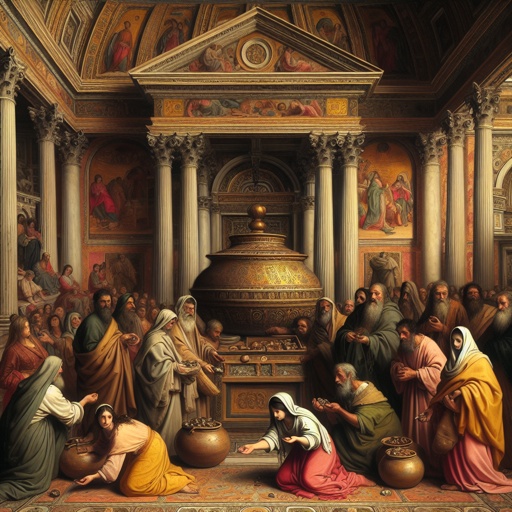
Mark 12:41 - 44

Mark 12:41 - 44

Mark 2:1-12

Mark 12:41 - 44

Mark 12:41 - 44

Mark 7:20 - "And he said, That which cometh out of the man, that defileth the man."

Mark 12:11 - "This was the Lord's doing, and it is marvellous in our eyes?"

Mark 11:20 - "¶ And in the morning, as they passed by, they saw the fig tree dried up from the roots."

Mark 1:12 - "And immediately the Spirit driveth him into the wilderness."

Mark 3:20 - "And the multitude cometh together again, so that they could not so much as eat bread."

Mark 12:39 - "And the chief seats in the synagogues, and the uppermost rooms at feasts:"
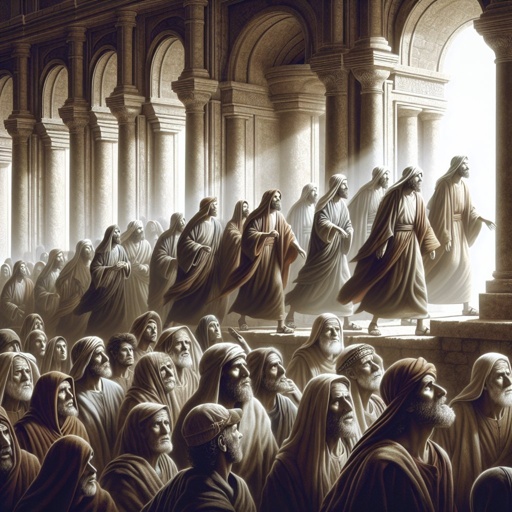
Mark 6:12 - "And they went out, and preached that men should repent."

Mark 14:20 - "And he answered and said unto them, It is one of the twelve, that dippeth with me in the dish."

Mark 3:12 - "And he straitly charged them that they should not make him known."

Mark 12:3 - "And they caught him, and beat him, and sent him away empty."

Acts 12:12 - "And when he had considered the thing, he came to the house of Mary the mother of John, whose surname was Mark; where many were gathered together praying."

Mark 12:12 - "And they sought to lay hold on him, but feared the people: for they knew that he had spoken the parable against them: and they left him, and went their way."