At the Dawn of Hope: A Morning Journey to the Sepulchre
"And very early in the morning the first day of the week, they came unto the sepulchre at the rising of the sun." - Mark 16:2
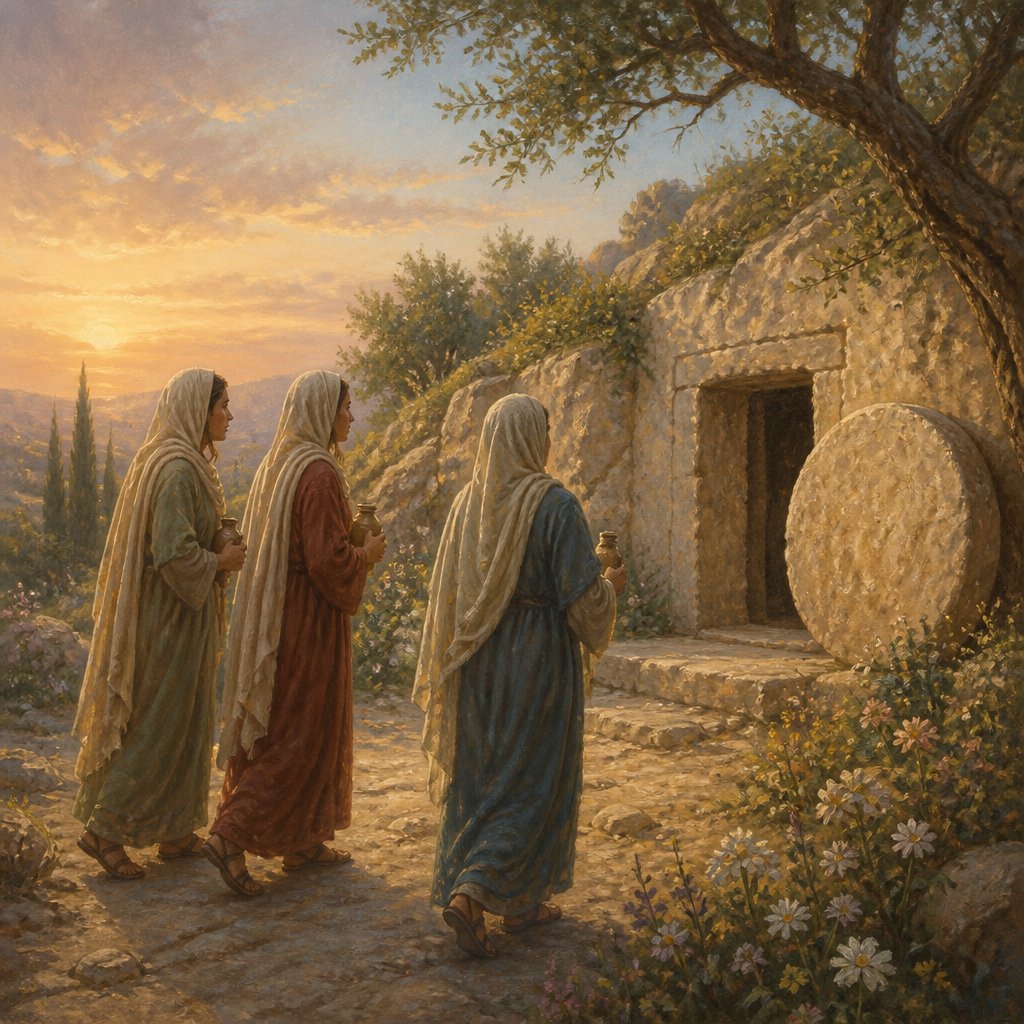
In Mark 16:2, we read, "And very early in the morning the first day of the week, they came unto the sepulchre at the rising of the sun." This verse, simple yet profound, captures a moment of anticipation, hope, and discovery that resonates through the ages. As we delve into its significance, let us reflect on the themes of resurrection, renewal, and the unwavering faith of those who seek after God.
The context of this verse is steeped in sorrow. Just days before, the disciples had witnessed the brutal crucifixion of Jesus Christ. The air was thick with despair; their hopes, pinned on the Messiah, lay shattered in the cruel reality of death. The sepulchre, now a grim reminder of loss, became a place of mourning. Yet, amidst this darkness, the women who approached the tomb early that Sunday morning embodied a spirit of invincible hope.
In the "very early in the morning" hours, before the sun had fully risen, these faithful women set out. This detail is significant. The early morning hours often represent a time of new beginnings. The night has passed, and a new day awaits. The act of coming to the sepulchre at dawn can be seen as a metaphor for faith's journey—often undertaken in the quiet, uncertain hours, when doubt can loom largest and fears are most palpable.
Here, the choice to rise early and venture to the tomb reflects their unwavering love and devotion to Jesus. They did not know what they would encounter—whether they would find the stone rolled away or perhaps a guard standing watch. However, their love compelled them forward. Similarly, in our lives, we may face our own sepulchres—challenges, grief, or burdens that weigh upon our hearts. Yet, it is the choice to seek God, even in the darkest hours, that illuminates our path to discovery.
As they approached the sepulchre "at the rising of the sun," we can also contemplate the significance of the sun itself. In scripture, light often symbolizes God's presence, guidance, and hope. The rising of the sun signifies a divine intervention; a reminder that Christ, the Light of the World, shines brightest amidst our darkest seasons. When we invite God into our struggles, we allow the light of His love and hope to penetrate our sepulchres, transforming our sorrow into joy.
When these women arrived at the tomb, their hearts were likely heavy with grief, even as they hoped for the impossible. Their commitment to honor their Lord is a profound lesson in faith. As we reflect on their journey, we can ask ourselves: what sepulchres are we called to visit in our lives? Are we willing to rise early and seek the presence of God amidst our despair?
Upon reaching the tomb, the women were met with surprise—the stone was rolled away, revealing an empty grave. This dramatic turn was not just a miraculous event; it was the pinnacle of divine promise fulfilled. Jesus had risen! Their faith was met not with an unanswered prayer but with the glorious reality of resurrection. The unfolding of that moment marked the beginning of hope for all humanity.
In this resurrection story, we are reminded that dawn brings not only the end of night but the hope of a new day. Each morning, we too have the opportunity to seek God anew. Let us emulate these women—their journey to the sepulchre reminds us to persist in our faith, to approach God in our heaviness, and to trust that He is capable of rolling away our stones and bringing forth life from our dead situations.
As we rise with the sun each day, let us carry with us the hope that Christ has indeed conquered the grave. Let us lean into the promise of renewal, echoing the prayer through every season: "Lord, I come to Your sepulchre, trusting in the miracle of Your resurrection and the light of Your love that dispels my darkness." Ultimately, "very early in the morning" sets the tone not only for dawn but for our daily experiences, reminding us that where there is faith, there is also hope.
Want to reflect more on Mark 16:2?
Continue your spiritual journey with Bible Chat — an AI-powered tool for exploring God's Word through conversation. Ask questions, discover connections, and deepen your understanding.
Get Our Apps


Mark 16:2 Artwork

Mark 16:2 - "And very early in the morning the first day of the week, they came unto the sepulchre at the rising of the sun."
"And very early in the morning the first day of the week, they came unto the sepulchre at the rising of the sun." - Mark 16:2

Mark 16:1-2

Mark 2:16 - "And when the scribes and Pharisees saw him eat with publicans and sinners, they said unto his disciples, How is it that he eateth and drinketh with publicans and sinners?"

Mark 16:20
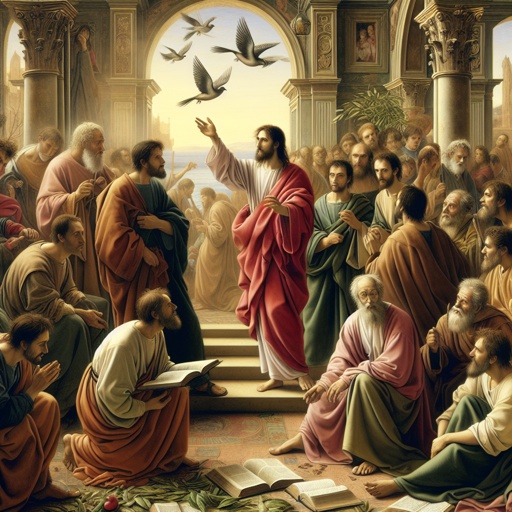
Mark 16:20

Mark 16:20
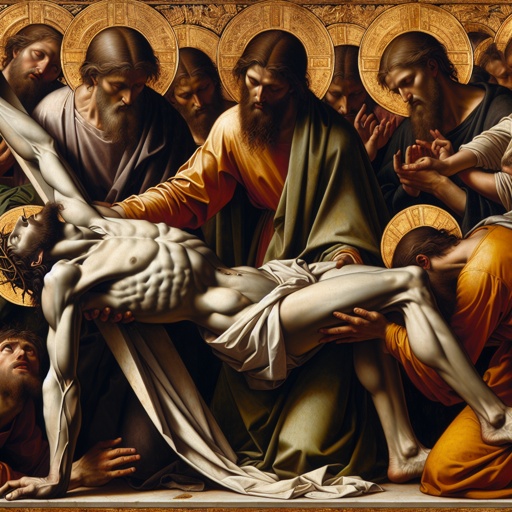
Mark 16:20

Mark 16:20

2 Timothy 3:16

Revelation 16:2

Mark 16:6-8

Mark 16:4-5

Mark 16:4-5

Mark 16:6-8

Mark 16:4-5

Mark 10:13–16

Mark 16:6-8

Revelation 16:2 - "And the first went, and poured out his vial upon the earth; and there fell a noisome and grievous sore upon the men which had the mark of the beast, and upon them which worshipped his image."

Mark 3:16 - "And Simon he surnamed Peter;"

african american mark 16:11

african american mary magdalene, mark 16: 9

Mark 9:16 - "And he asked the scribes, What question ye with them?"

Mark 16:13 - "And they went and told it unto the residue: neither believed they them."

Mark 7:16 - "If any man have ears to hear, let him hear."

Mark 8:16 - "And they reasoned among themselves, saying, It is because we have no bread."

Mark 16:4 - "And when they looked, they saw that the stone was rolled away: for it was very great."

Mark 16:10 - "And she went and told them that had been with him, as they mourned and wept."

Mark 2:2

"And Simon he surnamed Peter;" - Mark 3:16