The Humility of John: Preparing the Way for the Mighty One
“And preached, saying, There cometh one mightier than I after me, the latchet of whose shoes I am not worthy to stoop down and unloose.” — Mark 1:7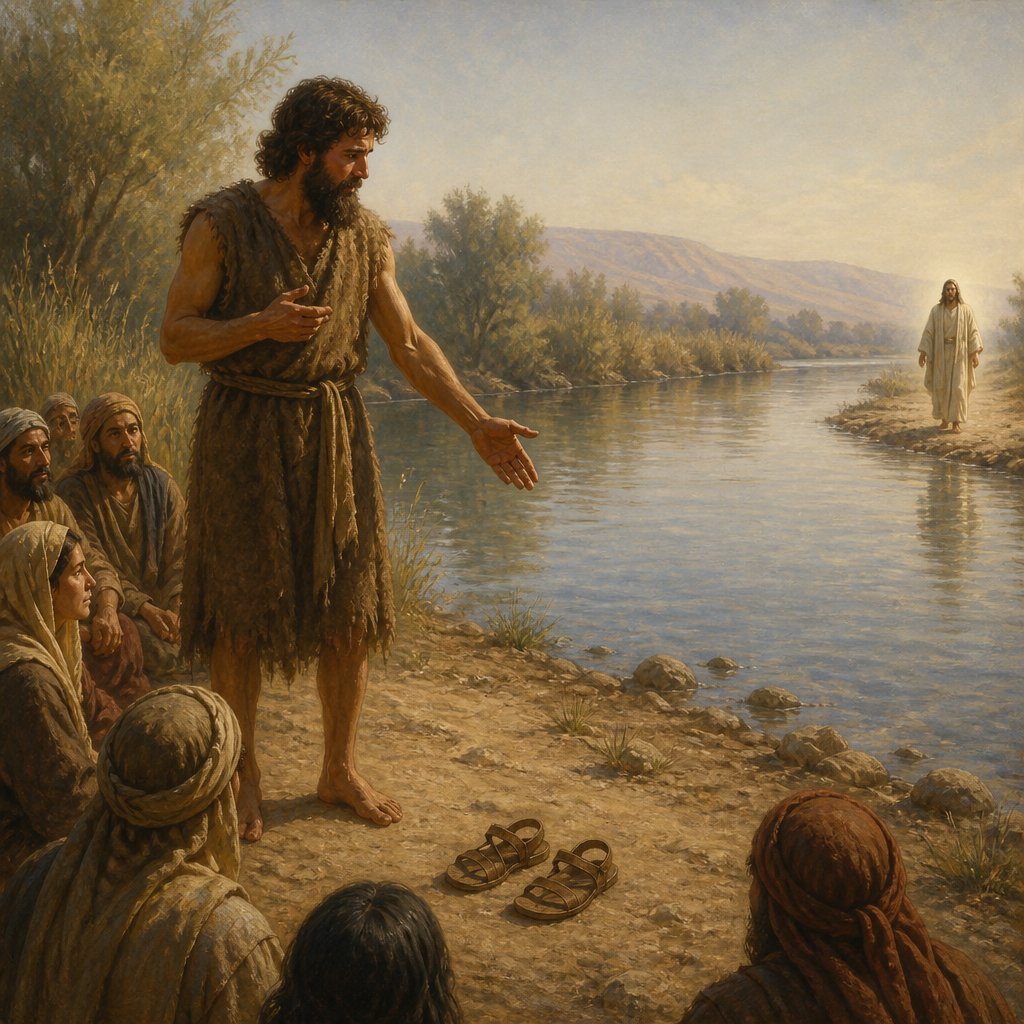
Mark 1:7 tells us, "And preached, saying, There cometh one mightier than I after me, the latchet of whose shoes I am not worthy to stoop down and unloose." These words, spoken by John the Baptist, encapsulate profound humility and reverence towards Jesus Christ, setting a powerful example for all believers.
In this verse, John the Baptist, the forerunner of Christ, stands before the multitudes, proclaiming the arrival of someone far greater than himself. John's ministry was characterized by a fiery proclamation of repentance and preparation for the coming of the Messiah. Yet, in his declaration, he introduces a revolutionary concept of servanthood and humility. The phrase "the latchet of whose shoes I am not worthy to stoop down and unloose" highlights his recognition of Christ's grandeur in comparison to his own humble role.
To truly grasp the significance of John's words, we must understand the cultural context of footwear in Biblical times. Shoes were considered a part of the family's servant's duty; it was beneath the dignity of a master to perform such menial tasks. For John to say he was unworthy even to perform this lowliest act for Christ illustrates the depth of his humility. He recognizes that the One who is coming is not only mightier in power but also in divine authority. In this self-effacing proclamation, John embodies what it means to decrease so that Christ may increase (John 3:30).
As followers of Christ, we too are called to embrace this spirit of humility. The world often promotes self-advancement, pride, and accolades for achievements. However, the Kingdom of God operates on the principle that true greatness comes from servitude (Matthew 23:11-12). The stark contrast between worldly pursuit and godly humility challenges us to re-evaluate our motives and ambitions. Are we striving to be recognized, or are we willing to be like John, pointing others to Christ?
In John’s message, he not only acknowledges the superiority of Jesus but also expresses a deep understanding of the nature of ministry. To prepare the way for the Lord, he recognizes that his role involves more than just preaching; it is about leading others to a transformational encounter with Jesus. Our mission as believers is similar — to reflect Christ in our actions, words, and attitudes. When we yield our own desires and elevate the greatness of God, we prepare the hearts of those around us to receive Him.
Additionally, John's words remind us of the magnitude of Jesus’ coming into the world. Recognizing Jesus as "mightier" emphasizes that He is not only the Savior but also the King of Kings, the sovereign and supreme authority over all creation. In a society that often diminishes the reverence due to Christ, this declaration calls for a return to recognizing His Lordship. Are we honoring Christ in our worship and daily lives? Do our attitudes and actions reflect the recognition that He is the mightiest?
Moreover, John's acknowledgment of feeling unworthy serves as a vital lesson in our walk of faith. It reminds us that God’s grace empowers us for service despite our imperfections (2 Corinthians 12:9). When we embrace our limitations and unworthiness, we create space for God's strength to shine through our weaknesses. God's calling on our lives is not about our qualifications but about His empowerment to fulfill His purposes.
In conclusion, Mark 1:7 draws us into a deeper relationship with our Lord. It confronts our pride and exhorts us to embrace humility as we prepare the way for Jesus in our lives and the lives of others. Let us echo John's sentiments, acknowledging that while we may feel unworthy, in Christ we find strength and purpose to serve, point others to Him, and partake in His mission of love and redemption. May our lives be a reflection of Him who is truly mightier — the Lamb of God who takes away the sin of the world.
Get our apps


Artwork for Mark 1:7
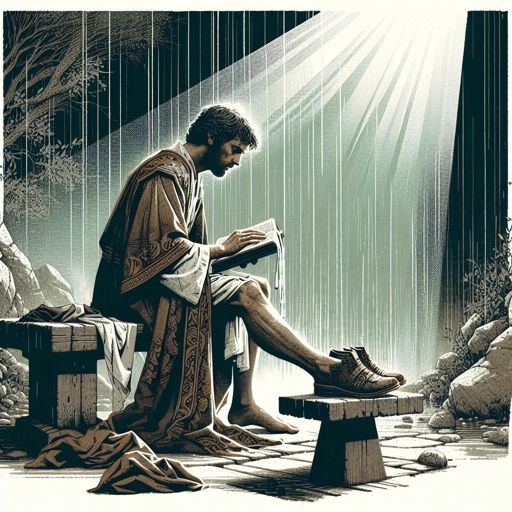
Mark 1:7 - "And preached, saying, There cometh one mightier than I after me, the latchet of whose shoes I am not worthy to stoop down and unloose."
"And preached, saying, There cometh one mightier than I after me, the latchet of whose shoes I am not worthy to stoop down and unloose." - Mark 1:7

Mark 7:1 - "Then came together unto him the Pharisees, and certain of the scribes, which came from Jerusalem."

Mark 13:7

Mark 13:7

Mark 8:7

Mark 13:7

Mark 7:7 - "Howbeit in vain do they worship me, teaching for doctrines the commandments of men."

Mark 7:31-37

Mark 7:31-37
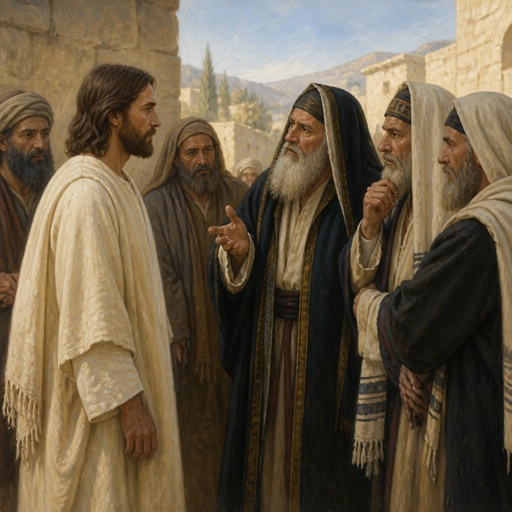
"Then came together unto him the Pharisees, and certain of the scribes, which came from Jerusalem." - Mark 7:1

Mark 7:7 (KJVA) 7 Howbeit in vain do they worship me, teaching for doctrines the commandments of men.

Mark 7:7 (KJVA) 7 Howbeit in vain do they worship me, teaching for doctrines the commandments of men.

Mark 7:7 (KJVA) 7 Howbeit in vain do they worship me, teaching for doctrines the commandments of men.

Mark 7:7 (KJVA) 7 Howbeit in vain do they worship me, teaching for doctrines the commandments of men.

Mark 7:7 (KJVA) 7 Howbeit in vain do they worship me, teaching for doctrines the commandments of men.

Mark 7:7 (KJVA) 7 Howbeit in vain do they worship me, teaching for doctrines the commandments of men.

Mark 7:7 (KJVA) 7 Howbeit in vain do they worship me, teaching for doctrines the commandments of men.

Mark 7:20 - "And he said, That which cometh out of the man, that defileth the man."

Mark 7:16 - "If any man have ears to hear, let him hear."

Mark 7:23 - "All these evil things come from within, and defile the man."

Mark 7:7 Howbeit in vain do they worship me, teaching for doctrines the commandments of men.
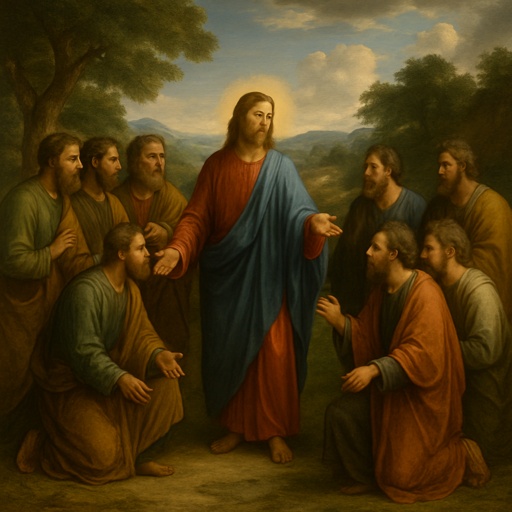
Mark 6:7 says that Jesus called his twelve disciples and began to send them out two by two, giving them authority over unclean spirits.

Mark 7:34 - "And looking up to heaven, he sighed, and saith unto him, Ephphatha, that is, Be opened."

Mark 10:7 - "For this cause shall a man leave his father and mother, and cleave to his wife;"

Mark 4:7 - "And some fell among thorns, and the thorns grew up, and choked it, and it yielded no fruit."

Mark 11:7 - "And they brought the colt to Jesus, and cast their garments on him; and he sat upon him."

Mark 7:12 - "And ye suffer him no more to do ought for his father or his mother;"

Mark 7:22 - "Thefts, covetousness, wickedness, deceit, lasciviousness, an evil eye, blasphemy, pride, foolishness:"

Mark 7:21 - "For from within, out of the heart of men, proceed evil thoughts, adulteries, fornications, murders,"