The Divine Restraint: Understanding Jesus' Charge
“And he straitly charged them that they should not make him known.” — Mark 3:12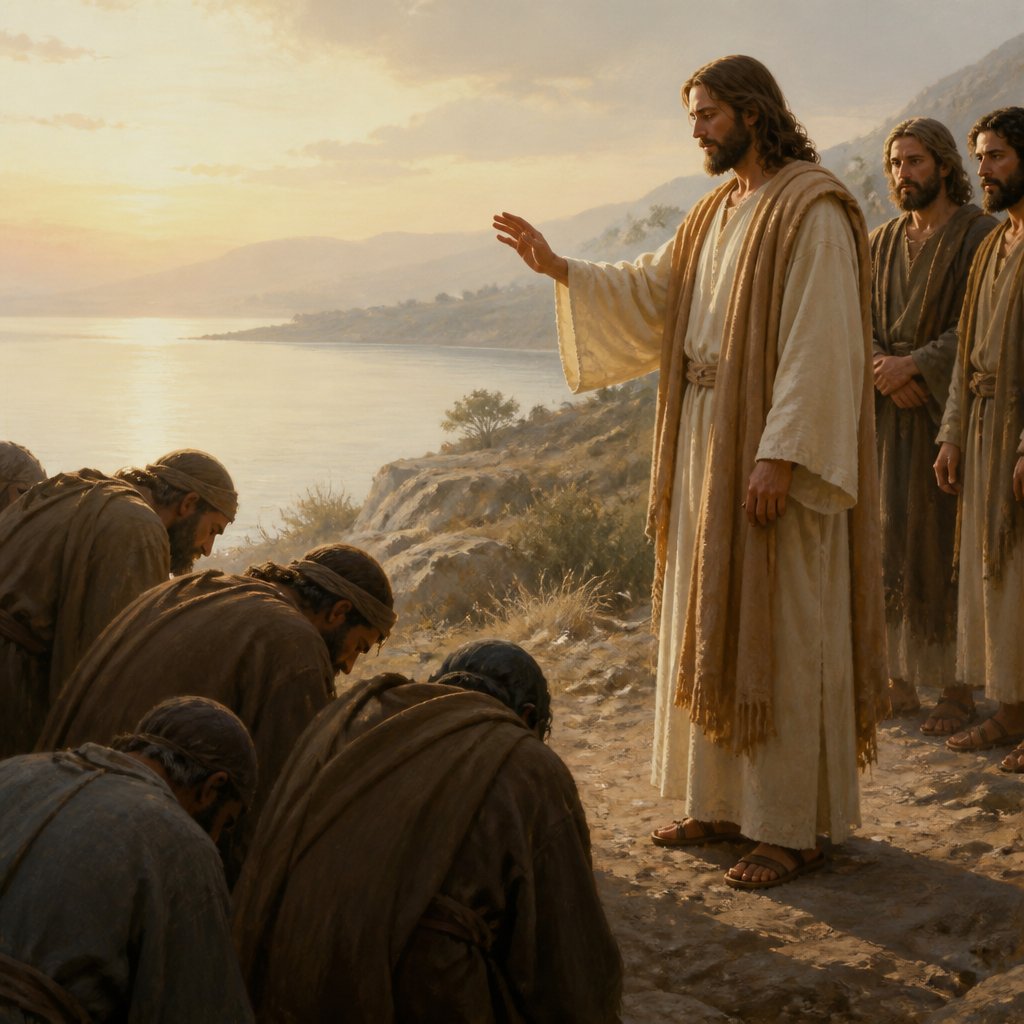
In the Gospel of Mark, we encounter a poignant moment in the ministry of Jesus. In Mark 3:12, we read: "And he straitly charged them that they should not make him known." This simple verse, steeped in its context, invites us to reflect on the profound depth of Jesus’ mission, the nature of His ministry, and the importance of divine timing in fulfilling God’s redemptive narrative.
To grasp the significance of this moment, we need to situate it within the larger story of Jesus’ earthly life. By the time this narrative unfolds, Jesus has gained considerable fame as a miracle worker and teacher. Crowds are drawn to Him by the report of His miracles—healings, exorcisms, and the power of His words. In the preceding verses, we read of the multitudes that follow Him, eager for healing and answers (Mark 3:7-8). Yet, despite His growing popularity, Jesus takes a deliberate and strategic step to restrain this momentum.
The word "straitly" is crucial here. It conveys a sense of urgency and seriousness in Jesus' command. He does not merely suggest they keep quiet; rather, He imposes a strong directive. The question we must ponder is, why would Jesus choose to maintain a level of secrecy about His identity and works? Isn’t the mission of Christ about proclaiming the good news, about drawing people to Himself? What would motivate this divine restraint?
Firstly, we recognize that Jesus is deeply aware of the implications of human misunderstanding. Many in the crowds have a variety of expectations of who the Messiah would be. They envision a political liberator or a military leader who would restore Israel’s glory. If Jesus were to allow the throngs to proclaim His name without understanding His true mission, it would lead to a distorted image of the Messiah, missing the essence of the suffering servant that He is meant to be. His silence in this moment is a protective gesture, aimed at guiding the people towards a deeper understanding of who He is—a Savior not just from earthly troubles but from sin and death itself.
Secondly, timing plays an essential role in God’s plan. Jesus’ mission is prophetic, and it must unfold according to divine timing rather than human expectation. Throughout the Gospels, we see Jesus often discussing and demonstrating the need for God’s timing—He performs miracles, teaches parables, and heals, but often instructs people to refrain from public acknowledgment of His works (see also Matthew 16:20). This is because only at the right time would His true nature, crucifixion, and resurrection be revealed to all, fulfilling the prophecies and establishing God’s Kingdom in a way that is redemptive rather than mere spectacle.
Moreover, the command not to make Him known speaks to the concept of humility. Jesus embodies humility throughout His entire ministry. He does not seek personal glory or fame; instead, He directs attention to the Father’s mission and purpose. In a world that often rewards self-promotion and visibility, Jesus exemplifies the radical nature of humility—one that serves others rather than seeking to be served. He epitomizes this selflessness in laying down His life for humanity, showing love that transcends the public eye.
So, what does this mean for us today? As followers of Christ, we are called to reflect His humility and discretion in our lives. We live in an age where visibility and recognition can seem paramount, yet Jesus calls us to a quiet faith—a faith that acts out of love rather than the desire for recognition. We must ask ourselves: Are we willing to serve in silence, to love without seeking acknowledgment?
In conclusion, Mark 3:12 serves as a powerful reminder of the complexity of Christ’s mission and the beauty of His divine restraint. It teaches us about the importance of understanding Jesus’ identity and purpose beyond human expectations. Let us embrace the humility of Christ, seeking not to elevate ourselves but to glorify Him, operating in His perfect timing as we engage in His work in our lives and in our communities.
Get our apps


Artwork for Mark 3:12

Mark 3:12 - "And he straitly charged them that they should not make him known."
"And he straitly charged them that they should not make him known." - Mark 3:12

Mark 12:3 - "And they caught him, and beat him, and sent him away empty."

Lamentations 3:12 - "He hath bent his bow, and set me as a mark for the arrow."
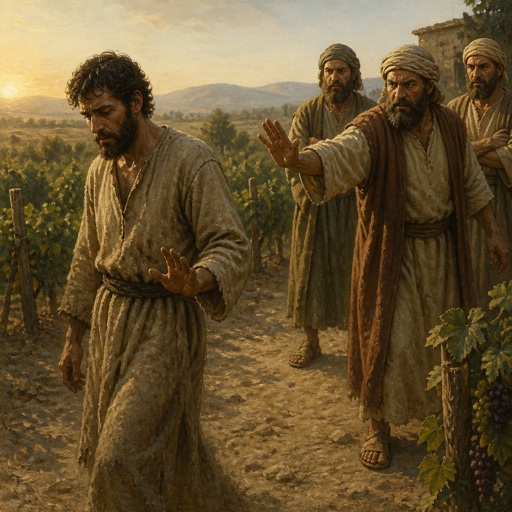
"And they caught him, and beat him, and sent him away empty." - Mark 12:3
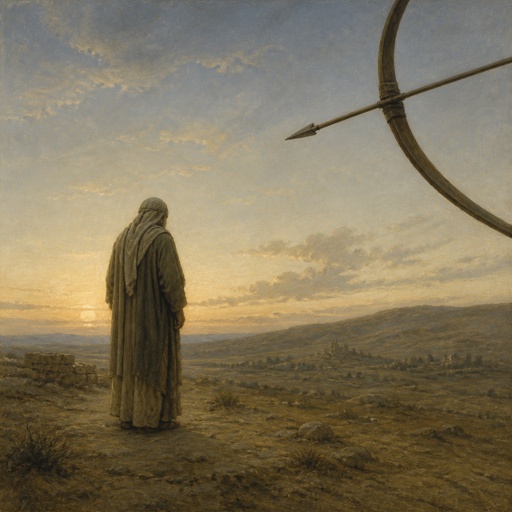
"He hath bent his bow, and set me as a mark for the arrow." - Lamentations 3:12

Mark 12:8

Mark 12:8

Mark 15:12

mark 2:1-12

Mark 12:41 - 44

Mark 12:41 - 44

Mark 12:41 - 44

Mark 2:1-12

Mark 12:41 - 44

Mark 12:41 - 44

Mark 12:11 - "This was the Lord's doing, and it is marvellous in our eyes?"

Mark 1:12 - "And immediately the Spirit driveth him into the wilderness."

Mark 3:3 - "And he saith unto the man which had the withered hand, Stand forth."

Mark 12:39 - "And the chief seats in the synagogues, and the uppermost rooms at feasts:"
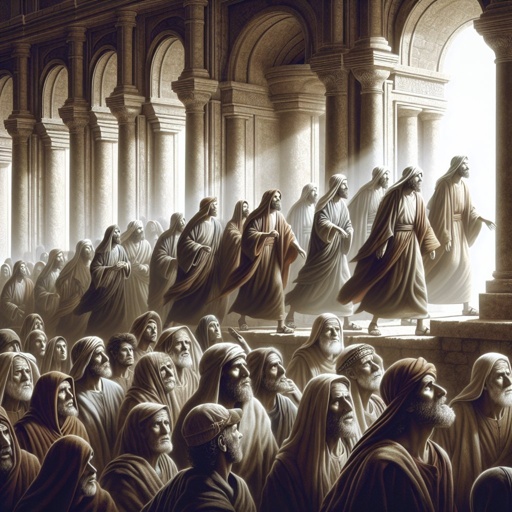
Mark 6:12 - "And they went out, and preached that men should repent."

Mark 3:31-34

Mark 3:16 - "And Simon he surnamed Peter;"

Acts 12:12 - "And when he had considered the thing, he came to the house of Mary the mother of John, whose surname was Mark; where many were gathered together praying."

Mark 12:12 - "And they sought to lay hold on him, but feared the people: for they knew that he had spoken the parable against them: and they left him, and went their way."

Mark 11:12 - "¶ And on the morrow, when they were come from Bethany, he was hungry:"

Mark 12:8 - "And they took him, and killed him, and cast him out of the vineyard."

Mark 4:3 - "Hearken; Behold, there went out a sower to sow:"

Mark 3:30 - "Because they said, He hath an unclean spirit."

Mark 12:18 - "¶ Then come unto him the Sadducees, which say there is no resurrection; and they asked him, saying,"