
In Mark 3:16, a powerful transformation unfolds as Jesus, the Master Teacher, renames Simon to Peter: "And Simon he surnamed Peter." This simple verse encapsulates not just a name change, but a profound shift in identity, purpose, and calling. At its core, this transformation signifies the divine intention behind our lives and how we should respond to it.
Simon, originally a fisherman by trade, represents a life anchored in the mundane. His name, which means "hearing," hints at his potential for receiving God's word but foreshadows the initial confusion he would face in wrestling with faith and doubt. However, when Jesus surnamed him Peter, which means "rock," His intent was to infuse Simon’s identity with strength, stability, and a foundational role in the early Church. This change signifies Jesus' recognition of Simon's potential and underscores the way He sees us - not merely as we are, but as we can become through Him.
Renaming often carries significant weight in biblical narratives. From the very beginning, names indicated character and destiny. For example, Abram became Abraham, the father of nations, and Jacob, the deceiver, became Israel, the one who struggles with God. Similarly, when Jesus calls Simon "Peter," He is locating Simon in the unfolding drama of salvation history, designating him as a cornerstone of the Church. This implies that, despite Simon's flaws and failures, God sees our potential and calls us into a greater narrative filled with purpose.
Peter's journey was not without trials. He experienced moments of doubt, vehement denial, and failure on numerous occasions, especially as outlined later in the gospels. Yet, every setback served as a testament to the grace of God and hinted at the transformative power of being in relationship with Christ. The renaming did not instantaneously alter Peter’s character or resolve; rather, it set him on a path of growth. Just as Peter grew through his experiences, we too are reminded that our new identities in Christ do not exempt us from struggles; instead, they equip us to navigate them with renewed hope and strength.
The act of renaming underscores a shift from human definitions to divine ones. In a world where labels can limit and define us – as student, worker, failure, or success – Jesus offers a different perspective. In Him, we are not merely defined by our past actions or failures but by who He has created us to be. Every Christian is called a child of God, a prince or princess in His kingdom; their identity rests in their relationship with Jesus.
As we meditate on this passage, we are led to ask ourselves: what names are we holding onto that God is inviting us to surrender? What aspects of our identity have we accepted that do not align with God’s truth about us? Are we willing to embrace the newness that Jesus offers? When we follow Christ, we step into an identity that calls us to reflect His love, grace, and truth in a world markedly different from Him.
Peter’s name change is an invitation for us to grasp who we are in Christ. The same Jesus who named Simon to be Peter is extending an invitation to each of us to discover our identity. We are encouraged to step into that identity boldly, to build our lives on the Solid Rock that is Christ, and engage in the calling He has placed on us. As we do so, we not only navigate our lives with strength but also impact the world around us with unshakeable faith.
In reflection, let us consider how we can live out our new names, allowing God to shape our identities through His Word, community, and holy calling. As we go forth in faith, let us remember that we are not merely called by our past, but by our Savior, who sees us as His beloved children.
Get our apps


Artwork for Mark 3:16

Mark 3:16 - "And Simon he surnamed Peter;"

"And Simon he surnamed Peter;" - Mark 3:16

Mark 16:3 - "And they said among themselves, Who shall roll us away the stone from the door of the sepulchre?"

2 Timothy 3:16

Mark 16:20
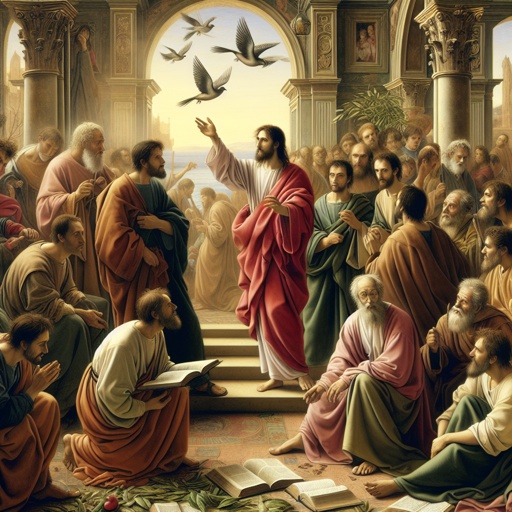
Mark 16:20

Mark 16:20
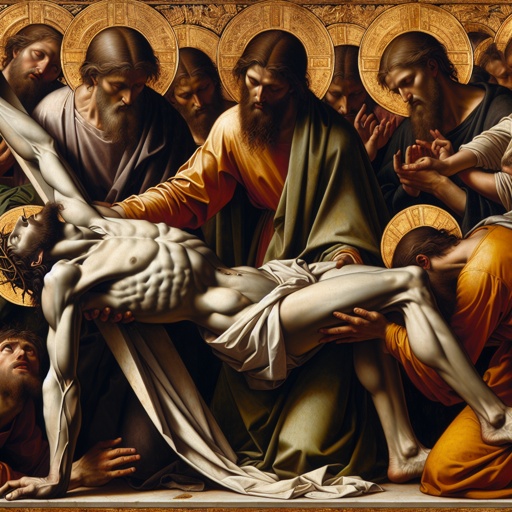
Mark 16:20

Mark 16:20

"And they said among themselves, Who shall roll us away the stone from the door of the sepulchre?" - Mark 16:3

Mark 16:1-2

Mark 16:6-8

Mark 16:4-5

Mark 16:4-5

Mark 16:6-8

Mark 16:4-5

Mark 10:13–16

Mark 16:6-8

african american mark 16:11

african american mary magdalene, mark 16: 9

Mark 9:16 - "And he asked the scribes, What question ye with them?"

Mark 16:13 - "And they went and told it unto the residue: neither believed they them."

Mark 3:3 - "And he saith unto the man which had the withered hand, Stand forth."

Mark 7:16 - "If any man have ears to hear, let him hear."

Mark 8:16 - "And they reasoned among themselves, saying, It is because we have no bread."

Mark 16:4 - "And when they looked, they saw that the stone was rolled away: for it was very great."

Mark 3:31-34

Mark 16:10 - "And she went and told them that had been with him, as they mourned and wept."

Mark 16 african american jesus rebukes disciples

Mark 16 african american angry jesus and disciples