The Desire to Stay: Understanding Our Spiritual Battles
“And he besought him much that he would not send them away out of the country.” — Mark 5:10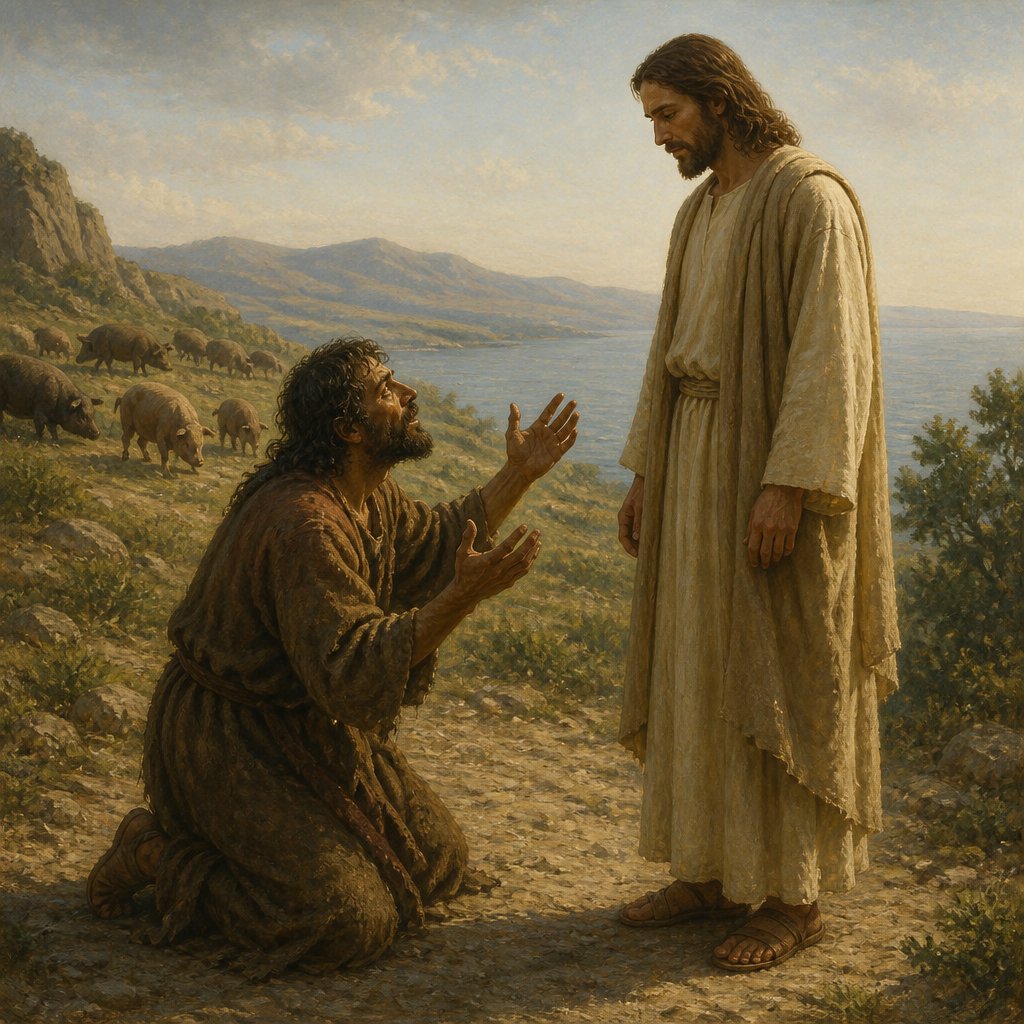
Mark 5:10 reads, "And he besought him much that he would not send them away out of the country." This poignant moment in the Gospel of Mark captures the essence of desperation and fear we often encounter in our spiritual journeys. At first glance, this passage recounts the encounter between Jesus and a legion of demons inhabiting a man. As we dive deeper, we uncover the rich layers of meaning that reflect our own struggles and aspirations in life.
Imagine the scene: Jesus arrives in the region of the Gadarenes, and immediately, a man possessed by a multitude of demons approaches him. This man has been tormented for years, isolated from society, bound by chains, and living among the tombs. His world was shrouded in darkness—a reflection of how sin and spiritual oppression can manifest in our lives. The demons, understanding who Jesus is, recognize his authority but are terrified of their impending doom. They beg him not to send them away.
The plea from the demons is deeply significant. It reveals their fear of losing their grip on the man and their desire to remain in a familiar place where they have caused chaos. Their request symbolizes a broader reality: the struggle between light and darkness. In this context, we must ask ourselves: what is it in our lives that keeps us bound? What are the familiar spirits, habits, and sins we cling to, even when we know they're detrimental to our spiritual wellbeing?
The word "besought" implies a deep desperation, a longing to remain. The demons sought to preserve their influence, and often, we find ourselves in a similar place. There are aspects of our lives we fight to hold onto—guilt, resentment, habitual sin—that prevent us from experiencing the fullness of God’s grace and the abundant life that Jesus promises. Much like the demons, our natural inclination is to resist change, fearing the unknown that comes with total surrender.
Moreover, this verse speaks to the broader theme of influence. The demons asked to stay, but the question remains: what are we inviting to stay in our lives? Are we allowing negativity, doubt, or fear to take root? Or are we opening our hearts to the influence of Christ, who casts out the darkness? Our spiritual battles are not fought merely in the absence of God; they often take place in the presence of conflicting desires. Just as the demons sought to hold onto their ground, we, too, often wrestle with relinquishing control.
This begs a valuable prayer: "Lord, help me to identify what I plead to keep that hinders my relationship with you. Show me the comfort zones that keep me from your presence. Deliver me from my own 'legions'—the fears, doubts, and sins that I admit to but hesitate to release."
As we reflect on this passage, consider the transformation that awaits us when we relinquish our hold on what is detrimental. When Jesus ultimately cast out the demons, he restored the man to his right mind and sent the demons into a herd of swine, symbolizing the power of redemption. This act of restoration highlights not just liberation from demonic influence but the rebirth of purpose and identity in Christ. Are we willing to let go of our pasts, our fears, and what feels familiar for a future rooted in His love and grace?
Let this verse encourage us to examine our hearts. Like the demons, we might find ourselves tempted to stay in a place that is comfortable but spiritually stale. Ascending to the fullness of life in Christ requires honest introspection and a willingness to embrace the unknown. God calls us to a life filled with promise—a life free from the chains of our past, paving the way for a vibrant relationship with Him. May we dare to seek the transformative power of Jesus, who frees us from all that would hold us back. Let us cry out for His help, for in any battle faced with the unpleasantness of our own 'country', He is our only refuge.
Get our apps


Artwork for Mark 5:10

Mark 5:10 - "And he besought him much that he would not send them away out of the country."
"And he besought him much that he would not send them away out of the country." - Mark 5:10

Mark 10:5 - "And Jesus answered and said unto them, For the hardness of your heart he wrote you this precept."

Mark 10
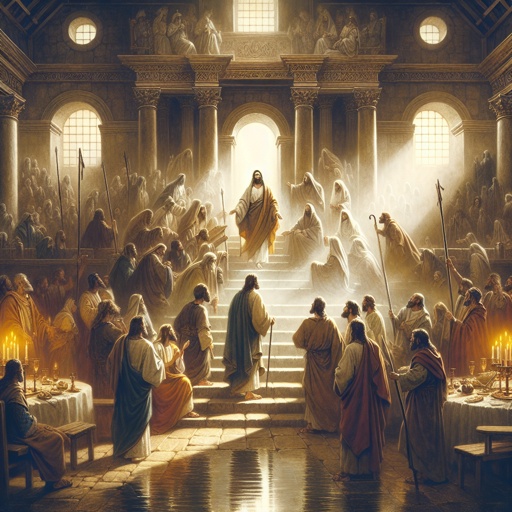
Mark 10
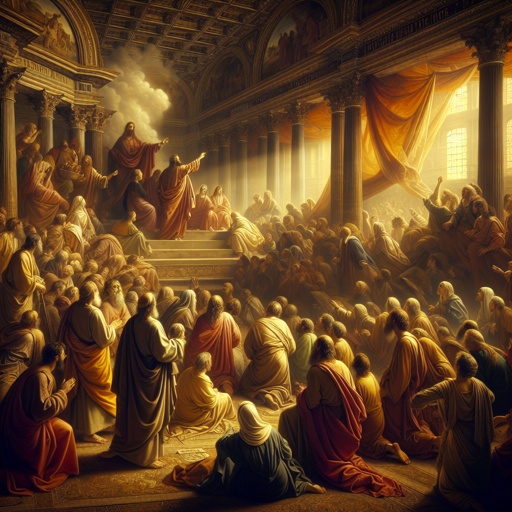
Mark 10
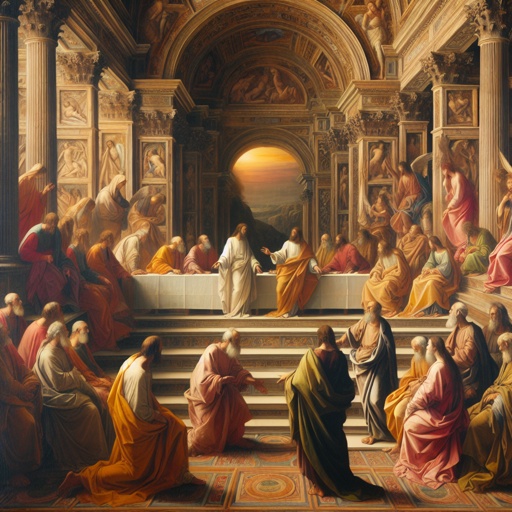
Mark 10
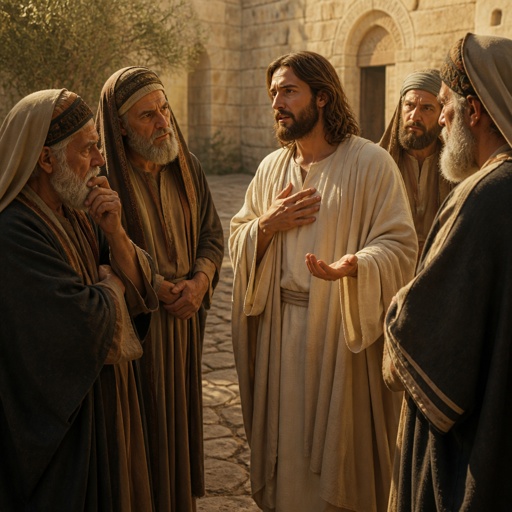
"And Jesus answered and said unto them, For the hardness of your heart he wrote you this precept." - Mark 10:5

Mark 10:31

Mark 2:10
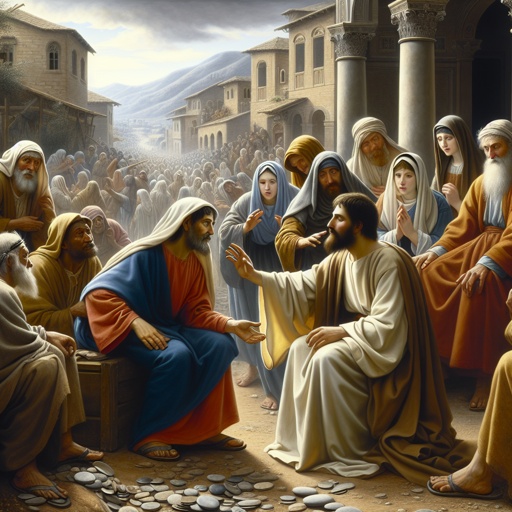
Mark 10:46

Mark 10:10 - "And in the house his disciples asked him again of the same matter."
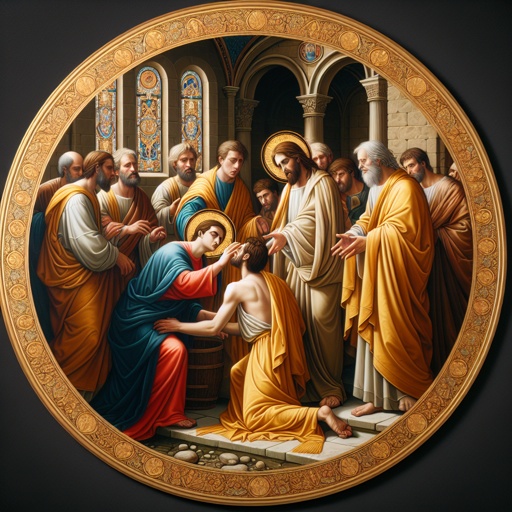
Mark 10:46

Mark 10:46

Mark 2:5

Mark 10:17-30

Mark 10:35-45

Mark 10:35-45

Mark 10:13–16

Mark 10:17-30

Mark 10:35-45

Mark 10:35-45

Mark 16:4-5

Mark 16:4-5

Mark 16:4-5

Mark 10:44 - "And whosoever of you will be the chiefest, shall be servant of all."

Mark 10:31 - "But many that are first shall be last; and the last first."

Mark 13:10 - "And the gospel must first be published among all nations."

Mark 5:17 - "And they began to pray him to depart out of their coasts."

Mark 15:5 - "But Jesus yet answered nothing; so that Pilate marvelled."